
Clastoptera
Clastoptera
Description
How to identify
The genus Clastoptera belongs to the family Clastopteridae, commonly known as spittlebugs or froghoppers. These insects are characterized by their robust, rounded body shape and strong hind legs used for jumping.
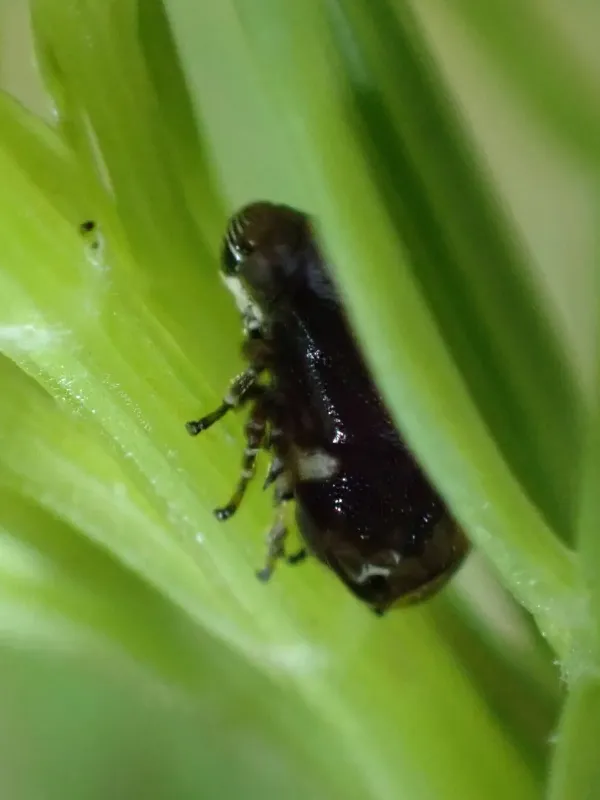
Adult Clastoptera are small and often cryptic, mimicking plant structures like buds or small seeds to avoid detection by predators. Their coloration is typically mottled brown, black, or reddish-brown.
The most famous feature of their life cycle is the nymphal stage. Nymphs produce a bubbly, foamy substance often referred to as "cuckoo spit," which serves as a microhabitat and a barrier against dehydration.
They are specialized sap-feeders. Using their piercing-sucking mouthparts, they extract phloem sap from host plants, which provides them with the necessary nutrients for development.
The life cycle usually involves overwintering eggs deposited in plant tissues or bark. In spring, nymphs hatch and begin to construct their foam masses, completing several instars before molting into adults.
What it damages
Clastoptera species affect a wide range of host plants, including conifers, nut trees, and various ornamental shrubs. They can be particularly damaging to young nursery stock.
By constantly extracting phloem sap, the nymphs deprive the plant of sugars and nutrients essential for growth, leading to stunted shoots and overall physiological weakening.
The feeding process involves injecting saliva into the plant, which often contains enzymes that damage the plant's vascular tissues. This can result in leaf curling, yellowing, and terminal shoot dieback.
The punctures left by their mouthparts serve as entry points for bacterial and fungal pathogens, potentially leading to more severe systemic infections in the host plant.
In cases of high infestation, the cumulative effect of feeding and the presence of fungal growth on honeydew secretions significantly degrades the aesthetic and market value of ornamental plants.
Signs of infestation
The presence of white, foamy, frothy masses on stems, leaf axils, or branches is the most diagnostic sign of a Clastoptera infestation in the garden or landscape.
Affected plants often show visible signs of stress, such as stunted or distorted foliage. Leaves near the site of infestation may appear wilted even when soil moisture is adequate.
Sooty mold growth on leaves is a secondary indicator. This black fungal coating develops on the sticky honeydew excreted by the insects while they feed on the plant sap.
In conifers, heavy infestations may cause localized needle yellowing, thinning of the canopy, or even premature needle drop in the vicinity of the foam nests.
Detection is often achieved by observing adult activity during warm weather, as the insects are highly mobile and will quickly jump when vegetation is disturbed.
Control measures
Integrated pest management starts with mechanical control. For small infestations, a strong stream of water can be used to wash the foam masses off the plants, often killing the nymphs in the process.
If the infestation is severe, systemic insecticides such as imidacloprid or acetamiprid may be applied. These are effective as they make the plant sap toxic to the feeding nymphs.
Pruning out and disposing of heavily infested branches is a recommended cultural practice to reduce the population density before eggs are laid for the next season.
Maintaining healthy, vigorous plants through proper irrigation and balanced fertilization helps them tolerate low-level infestations without significant growth loss.
- Regular monitoring during the spring and early summer months.
- Using horticultural oils to target overwintering eggs on bark.
- Encouraging natural predators like lady beetles and parasitic wasps.
Taxonomy
- Latin name
- Clastoptera
- Order
- Hemiptera (bugs, aphids, leafhoppers)
- Family
- Cercopidae
- EPPO code
- CLASSP
Discussion
No discussions yet — be the first.