
Fallow deer
Cervus dama
Description
How to identify
The fallow deer (Dama dama) is a ruminant mammal belonging to the family Cervidae within the order Artiodactyla. It is an adaptable species frequently found inhabiting areas bordering cultivated lands.
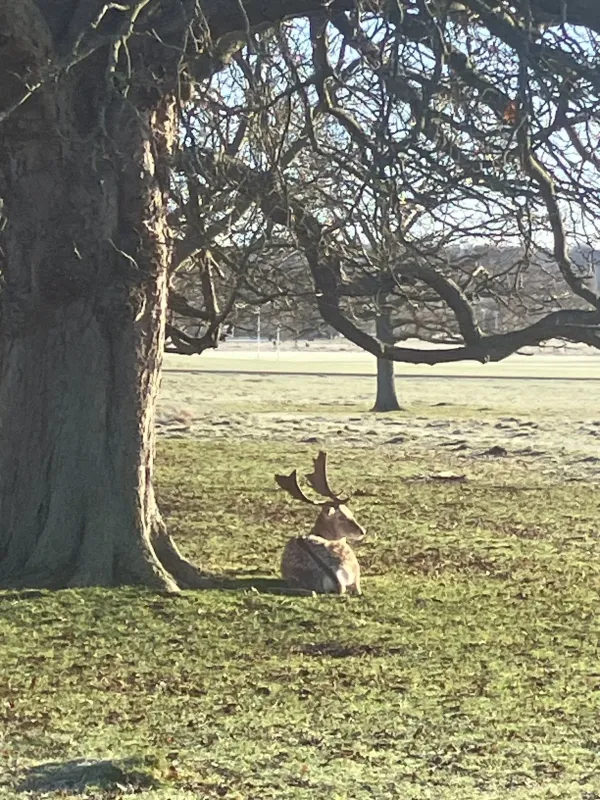
Adult males are distinguished by their broad, palmated antlers, which are shed annually. Their appearance varies significantly, with many individuals exhibiting a spotted coat during the summer months.
These deer are social animals that live in herds. This gregarious behavior allows them to consume significant quantities of forage, posing a constant challenge for farmers in affected regions.
Fallow deer are smaller than red deer, making them highly agile and capable of navigating diverse terrain, from woodland edges to open pastures near farms.
Their reproduction cycle ensures rapid population growth, which can lead to overgrazing if the population density is not managed within the natural ecosystem.
What it damages
Fallow deer cause significant damage to young forestry plantations and tree nurseries by grazing on terminal buds and shoots, which stunts plant growth and prevents natural reforestation.
During the winter months, when other food sources are scarce, they frequently strip the bark off trees. This behavior leaves the trees vulnerable to secondary fungal infections and wood-boring pests.
In agricultural fields, deer trample large areas and feed on vital crops such as winter cereals, maize, oilseed rape, and sugar beet, leading to severe economic losses for farmers.
The grazing pressure on pastures reduces the yield of fodder grasses, forcing farmers to increase expenditure on supplemental feeding and land restoration.
Fruit orchards are particularly susceptible, as deer browse on the lower branches, damaging the tree structure and significantly reducing the annual fruit yield.
Signs of infestation
Deep hoof prints in soft, damp soil are the most reliable indicators of fallow deer presence in fields or orchards shortly after they visit.
Characteristic bark stripping patterns on tree trunks, typically occurring at heights of up to 1.5 meters, clearly distinguish deer activity from other wildlife damage.
Damaged crop fields often show patches where vegetation has been heavily grazed, leaving ragged, uneven edges on the affected plants.
Droppings left in concentrated areas near forest boundaries and along field perimeters are strong evidence of regular use of the territory by the herd.
Frequent visual sightings of individuals near the forest-field interface at dusk or dawn suggest that the herd has integrated the field into its daily grazing route.
Control measures
The most effective long-term solution is the installation of high-tensile wire mesh fencing, at least 2 meters tall, to physically exclude deer from agricultural areas.
Applying chemical repellents to tree trunks and foliage can deter browsing behavior, particularly during the critical winter months when food is naturally limited.
Acoustic and visual deterrents, such as motion-activated alarms or flashing strobe lights, can provide temporary protection but often require rotation to prevent habituation.
Maintaining clean field borders by clearing brush and tall weeds makes the area less attractive to deer, as it removes the cover they use for protection.
Active cooperation with local wildlife management agencies or hunting associations is necessary to implement population control measures when deer numbers exceed sustainable levels.
Taxonomy
- Latin name
- Cervus dama
- Family
- Cervidae
- EPPO code
- DAMADA
Discussion
No discussions yet — be the first.