

Pest · Lepidoptera (butterflies) · affects Field pea, Winter wheat, Apple
Especially harmful
Goat moths and Carpenter moths
Cossidae
Description
How to identify
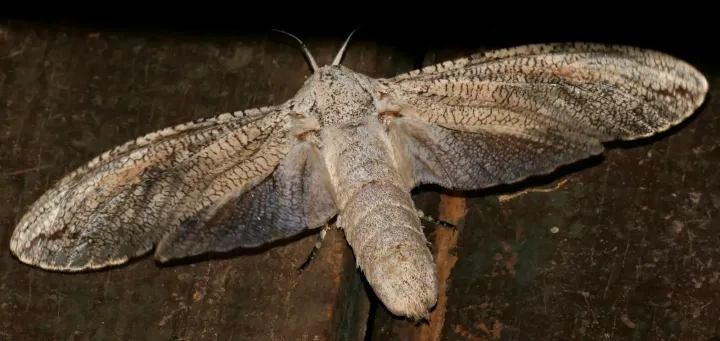
The Cossidae family, commonly known as goat moths or carpenter moths, consists of heavy-bodied moths whose larvae are notorious wood-borers. These insects spend most of their life cycle tunneling through the woody tissues of trees or the thick stems of herbaceous plants.
Adult moths are typically nocturnal and possess cryptic coloration patterns, often resembling tree bark, which allows them to remain unnoticed during the daylight hours while resting on branches or trunks.
The larval stage is the most destructive, characterized by powerful mandibles capable of chewing through dense wood. As they grow, they continue to expand their galleries, which can extend deep into the heartwood of the host plant.
Pupation occurs within the larval gallery, often near the exit hole to facilitate the emergence of the adult moth. This transition period is critical, as the insect is shielded by the host plant's structure.
Given their hidden development, infestation by Cossidae is often discovered only when significant damage to the plant structure has already occurred, making them difficult to manage in commercial agriculture.
What it damages
Cossidae larvae pose a significant threat to various crops, including apple trees and grapevines. By boring into the trunks and scaffold branches, they disrupt nutrient and water flow, eventually leading to branch dieback or total plant loss.
Field crops such as winter wheat and winter barley are also susceptible. In these plants, larvae often attack the crown area or the root system, causing the plants to wither and significantly reducing crop yields.
Vegetable crops like fodder beets and peas can suffer from larval penetration into the fleshy roots or stems, which compromises the integrity of the plant and creates entry points for various soil-borne pathogens.
The structural damage caused by these pests weakens the entire plant, making it more vulnerable to secondary stressors such as drought, frost, and infections by fungal or bacterial diseases.
- Apple trees
- Grapevines
- Winter wheat
- Winter barley
- Fodder beets
- Peas
Signs of infestation
A primary indicator of a Cossidae infestation is the presence of "frass"—a mixture of larval excrement and chewed wood shavings—piled up at the base of the tree or near the exit holes in the stem.
On fruit trees, sap oozing from the bark is a common visual cue. This indicates that the larvae have penetrated the cambium layer, causing the tree to respond defensively by secreting gum or sap.
In grain fields, patches of suddenly wilted or yellowing plants that pull away easily from the soil often indicate that the root or crown has been hollowed out by a carpenter moth larva.
Damaged branches may show early senescence, with leaves turning yellow or brown during the active growing season despite adequate irrigation and proper fertilization.
Visible boreholes in the trunks or stems, often accompanied by decay, are definitive signs of a long-term infestation that has already compromised the vascular system of the crop.
Control measures
Effective management begins with strict sanitation practices, including the removal and prompt disposal of heavily infested plant material to prevent further spread of the moth population.
For high-value trees, direct injection of approved systemic insecticides into the larval tunnels, followed by sealing the holes with grafting wax or putty, can effectively eliminate the pests without widespread spraying.
Pheromone traps are essential tools for monitoring the population density of adult moths. These traps help determine the exact timing for targeted insecticide applications during the peak egg-laying period.
Biological control, including the protection of birds and predatory insects that hunt moths and larvae, provides a natural balance that can help suppress pest numbers in balanced agroecosystems.
Regular monitoring of orchards and fields is critical. Detecting the initial signs of frass allows farmers to take early intervention measures before the larvae bore too deep to be reached by conventional control methods.
In brief
6
Damages crops
Content graph
Damages crops · 6
Content graph
Connections · Goat moths and Carpenter moths
Most often together:
Marketplace
Products · 3


Biology
Taxonomy
- Latin name
- Cossidae
- Order
- Lepidoptera (butterflies)
- Family
- Cossidae
- EPPO code
- 1COSSF
Community
Discussion
No discussions yet — be the first.