
Chilecomadia moorei
Chilecomadia moorei
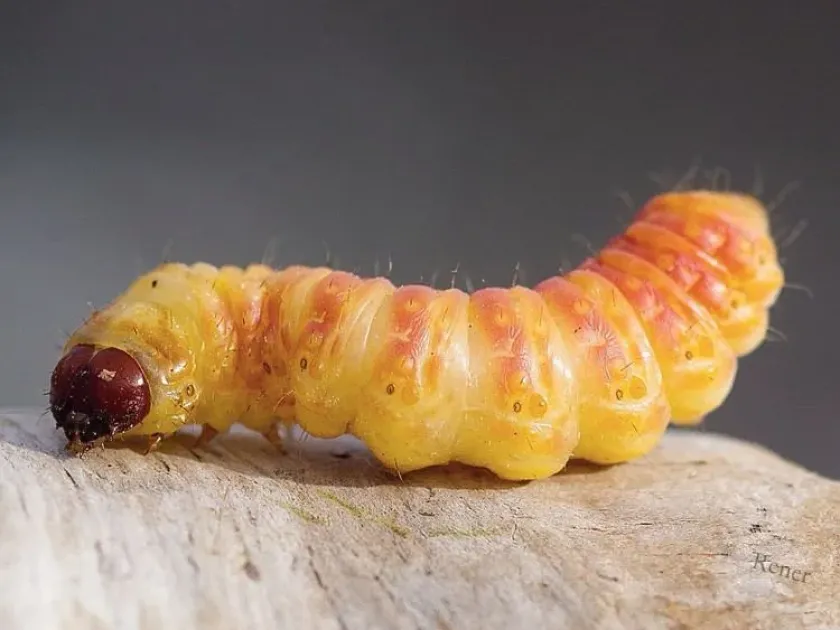
Description
How to identify
Chilecomadia moorei is a species of moth belonging to the Cossidae family, commonly known as carpenter moths, which are notorious for their wood-boring larvae.
The adult moths are primarily nocturnal, making them difficult to observe, but their influence on tree health is significant due to the larval feeding habits.
The larvae are specialized wood-feeders that possess robust mouthparts designed to create extensive galleries within the xylem of host plants.
Their morphological characteristics allow them to remain hidden for long periods, which is an evolutionary strategy to survive predation.
Proper identification is crucial for effective management, often requiring consultation with entomological experts or the use of pheromone monitoring tools.
What it damages
This pest targets a variety of fruit trees, causing severe physiological stress and physical damage to the trunk and main branches.
By boring into the wood, the larvae disrupt the vascular system, which hinders the transportation of water and nutrients to the canopy.
The weakened structure of the wood makes trees susceptible to secondary infections, such as fungal pathogens and wood-rotting diseases.
In mature orchards, infestations can lead to decreased yield, poor fruit quality, and the eventual death of the trees if not managed properly.
The cumulative damage often results in significant economic losses for commercial growers who fail to detect the infestation in its early stages.
When it appears
The seasonal development of Chilecomadia moorei is synchronized with the vegetative cycle of the host trees, ensuring availability of food for the larvae.
Adult activity peaks during the warmer months, corresponding with the reproductive phase and the emergence of the new generation.
Larvae are most active during the growing season, feeding continuously as they expand their galleries deeper into the woody tissues.
Winter dormancy is typically spent in the larval stage within the galleries, protecting the insects from extreme cold and external environmental threats.
Monitoring throughout the spring and summer is essential to track flight patterns and predict the timing of larval emergence for control interventions.
Signs of infestation
A key indicator of an infestation is the presence of frass, a mixture of wood dust and excrement, found at the base of the tree or on branches.
Visible symptoms also include sap exudation (gummosis) from entry holes where the larvae have successfully bored into the bark.
Leaves on infested branches often show early signs of chlorosis, premature wilting, and thinning, reflecting the impaired vascular function of the tree.
Dying or drying branches in otherwise healthy trees frequently signal the location of larval galleries that need immediate inspection.
In advanced cases, the bark may crack or peel away, revealing internal damage to the wood and providing access for further pest colonization.
Control measures
The primary control measure involves regular orchard inspections and the immediate removal and destruction of infested branches or trees.
Chemical control programs should focus on the timing of larval hatching, applying systemic insecticides that can reach the larvae within their galleries.
Cultural practices, such as maintaining overall tree health and pruning to improve air circulation, help in minimizing the success rate of pest colonization.
Pheromone traps are highly recommended for monitoring the presence and density of the adult population to optimize the timing of treatments.
Biological control options, including the use of entomopathogenic nematodes or specialized bacteria, provide environmentally friendly alternatives for pest suppression.
Taxonomy
- Latin name
- Chilecomadia moorei
- Order
- Lepidoptera (butterflies)
- Family
- Cossidae
- EPPO code
- CHCOMO
Discussion
No discussions yet — be the first.