
Chilecomadia
Chilecomadia
Description
How to identify
Chilecomadia is a genus of moths belonging to the family Cossidae (carpenter moths). The most notable species within this group is Chilecomadia valdiviana.
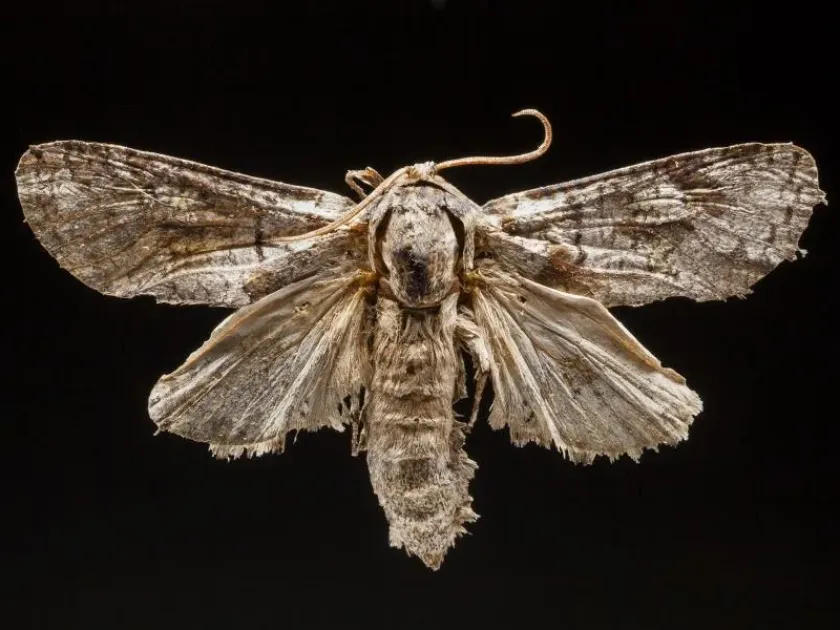
Adult moths are characterized by a medium size and a cryptic grey or brown coloration, which provides excellent camouflage against tree bark.
The larvae, or caterpillars, possess a robust body, typically yellowish or pinkish, with a dark, sclerotized head featuring strong mandibles adapted for boring into wood.
Their life cycle is intricately linked to the host plant, as the larvae spend the majority of their development stage tunneling through the wood.
Development is often prolonged, and the larvae are capable of overwintering within the tunnels they create inside the stems or trunks of host trees.
What it damages
This pest acts as a serious wood-borer that targets various species of fruit and ornamental trees, often leading to structural damage.
Primary hosts include members of the Rosaceae family, such as apple and pear trees, which are highly susceptible to larval penetration.
Larvae consume the cambium and inner bark, effectively disrupting the vascular system and preventing the flow of nutrients from roots to the canopy.
Persistent infestation leads to the weakening of the tree's architecture, reduced fruit production, and the eventual death of branches.
In severe cases, young saplings may succumb entirely due to the extensive damage caused by the larvae feeding inside the vascular tissues.
Signs of infestation
Identification is primarily based on the presence of entry holes in the bark of trunks and main branches where larvae have penetrated.
Accumulated frass, appearing as fine wood shavings or sawdust, often gathers around these holes, serving as a clear indicator of active infestation.
The trees often exhibit signs of stress, such as gumosis or excessive sap bleeding from the points of larval entry and feeding activity.
Damaged sections of the bark often become loose, cracked, or detached, exposing the internal tunnels created by the larvae.
Visible changes in the canopy, including yellowing leaves, stunted growth, and premature wilting, often signify that the tree's health has been severely compromised.
Control measures
Managing Chilecomadia requires an integrated approach that combines cultural practices, mechanical interventions, and chemical protection.
Sanitary pruning is essential; all infested branches must be removed and incinerated immediately to prevent the spread of the larvae to healthy sections.
Chemical control involves the application of systemic insecticides during the peak flight period of adult moths to prevent egg-laying and larval establishment.
Mechanical sealing of tunnels with pruning paste or specialized wound dressings can help physically exclude or entrap the larvae.
- Implement regular orchard monitoring to detect early signs of infestation using pheromone traps.
- Promote tree vigor through proper irrigation and balanced fertilization to improve natural defenses.
- Apply biological control agents, such as entomopathogenic nematodes or fungi, as a sustainable management strategy.
Taxonomy
- Latin name
- Chilecomadia
- Order
- Lepidoptera (butterflies)
- Family
- Cossidae
- EPPO code
- CHCOSP
Discussion
No discussions yet — be the first.