
Coryphodema
Coryphodema
Description
How to identify
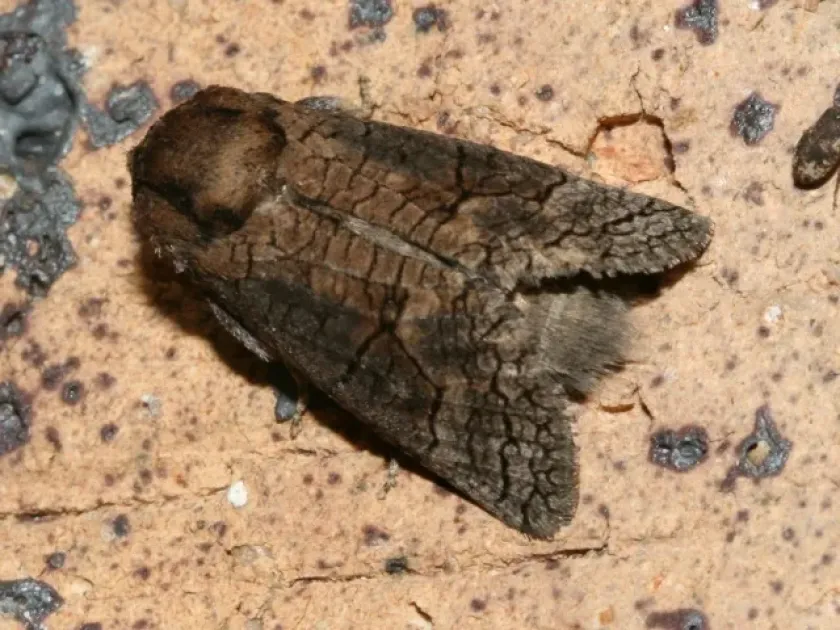
Coryphodema, specifically the species Coryphodema tristis, belongs to the Cossidae family, commonly known as carpenter moths or wood moths. These insects are nocturnal and possess a robust appearance with cryptic coloration that mimics tree bark perfectly.
The larvae, or caterpillars, of this pest are specialized wood-borers. They feature a cylindrical, fleshy body equipped with strong mandibles adapted for mining deep tunnels into the trunks and branches of host trees.
The developmental cycle of this moth is typically long, with the larvae spending multiple seasons feeding within the woody tissues of the plant. This prolonged internal development makes them particularly difficult to detect in the early stages.
Pupation takes place inside the tunnels created by the larvae. Once the metamorphosis is complete, the pupa partially emerges from the tree trunk, allowing the adult moth to exit the wood and fly away.
In natural ecosystems, these moths play a role in forest dynamics, but in agricultural settings, they are considered significant pests due to the structural damage they inflict on productive trees.
What it damages
Coryphodema primarily targets fruit trees, including apples, pears, and grapevines. The moths lay their eggs in the crevices of the bark, particularly on trees that are already showing signs of stress or improper care.
The feeding activity of the larvae destroys the vascular tissue of the tree. This interrupts the transport of nutrients and water, which ultimately leads to reduced fruit quality, stunted growth, and general physiological decline.
Repeated attacks by the larvae can cause the tree to become structurally unstable. Large branches may snap during storms or under the weight of a heavy fruit load due to the internal cavities created by the wood-boring larvae.
In addition to direct mechanical damage, the tunnels serve as entry points for secondary fungal and bacterial infections, which can further decay the woody structure of the host tree.
If the infestation is left unmanaged for several years, the cumulative effect can lead to the death of the tree, especially in young saplings where the tunnels can easily girdle the trunk.
Signs of infestation
The most reliable sign of a Coryphodema infestation is the presence of frass (larval excrement mixed with wood shavings) collecting at the base of the tree or at the junctions of major branches.
Visible boreholes on the trunk or branches are clear indicators of the pest's presence. These holes are often kept clean by the larvae to allow for ventilation and waste disposal.
The canopy of the infested tree may show signs of yellowing, wilting, or premature leaf drop, indicating that the tree's internal water transport system is severely compromised.
Sap flow or gumming on the bark surface is a common host reaction as the tree attempts to seal off the wounds created by the burrowing larvae.
Careful inspection of the trunk during the growing season often reveals subtle changes in bark texture or damp patches that correspond to the activity zones of the larvae beneath the bark.
Control measures
Cultural control remains the foundation of management, including the pruning and immediate destruction of heavily infested limbs to kill the larvae within the wood.
For localized control, injecting appropriate insecticides directly into the larval tunnels using a syringe and sealing the exit with horticultural putty can effectively eliminate individual borers.
Pheromone traps are highly effective for monitoring the flight period of adult moths, allowing orchardists to time preventative applications of contact insecticides during the egg-laying phase.
Ensuring trees are healthy through proper irrigation and nutrient management is key to preventing the stress that often makes trees susceptible to colonization.
- Regular monitoring of tree health during routine maintenance.
- Applying a protective layer of white latex paint or lime wash to the trunk.
- Encouraging natural predators such as woodpeckers and parasitic wasps to reduce pest populations.
Taxonomy
- Latin name
- Coryphodema
- Order
- Lepidoptera (butterflies)
- Family
- Cossidae
- EPPO code
- CYPOSP
Discussion
No discussions yet — be the first.