
Ceratomia
Ceratomia
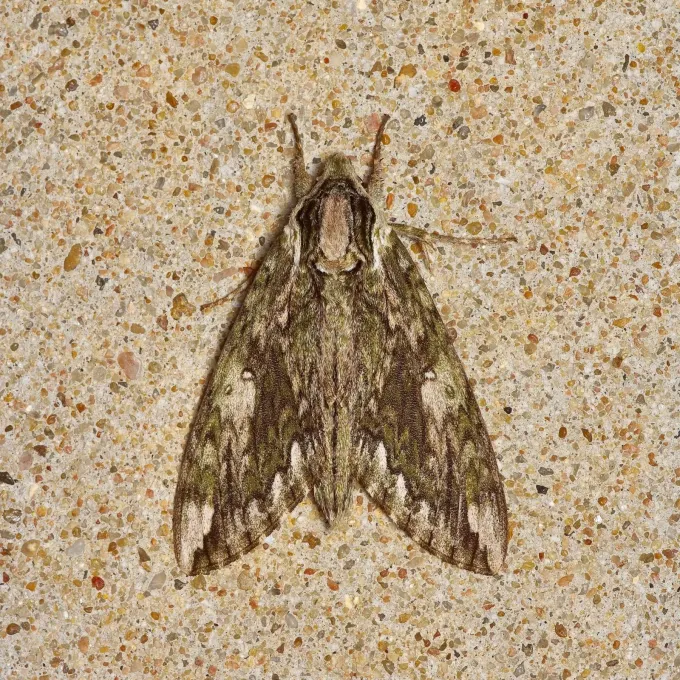
Description
How to identify
Ceratomia is a genus of sphinx moths (family Sphingidae), known for their robust bodies and strong flight capabilities. These moths are typically nocturnal and have narrow, powerful wings.
The larvae are commonly referred to as hornworms due to a distinctive, fleshy, horn-like projection found on the posterior end of their abdomen.
Their coloration is generally cryptic, featuring shades of green or brown often accented with diagonal stripes, which helps them blend into the foliage of host trees.
The life cycle undergoes complete metamorphosis, consisting of the egg, larva, pupa, and adult stages. The pupal stage is often spent in the soil or in leaf litter beneath the host tree.
Fully grown larvae can be quite large, which allows them to consume significant amounts of plant matter throughout their developmental period.
What it damages
The primary damage is caused by the larvae, which are voracious feeders capable of stripping large portions of tree canopies in a short amount of time.
Common host plants include various deciduous species such as elms, lindens, birches, and occasionally certain ornamental fruit trees found in residential landscapes.
Younger trees are particularly susceptible to severe defoliation, which limits their ability to conduct photosynthesis and store energy for subsequent growing seasons.
Heavy infestations can lead to premature leaf drop and overall tree stress, making the affected specimens more susceptible to environmental factors and disease.
Continuous damage year after year weakens the tree's defensive systems, potentially leading to secondary infestations by wood-boring insects or pathogens.
Signs of infestation
The most obvious sign of an infestation is the presence of eaten foliage, where only the thicker leaf veins remain, creating a skeletonized appearance on the affected leaves.
Droppings, known as frass, found on the ground or on lower leaves are a clear indicator that larvae are actively feeding in the canopy above.
Larvae can often be found by carefully inspecting the underside of leaves or branches, where they remain motionless during the day to avoid detection by predators.
In some cases, the presence of localized tissue damage or notched leaf edges can be observed, indicating that feeding activity has recently occurred.
Increased bird activity around the canopy can sometimes signal a high density of larvae, as birds frequently feed on these large, nutritious caterpillars.
Control measures
Hand-picking the caterpillars is a practical and effective management strategy for small trees or light infestations in home gardens.
Biological control methods, specifically the application of Bacillus thuringiensis (Bt), are highly effective against younger larvae while remaining safe for most beneficial insects.
In cases of severe infestation, targeted chemical insecticides may be used, provided that they are applied in accordance with local environmental regulations.
Cultivating the soil around the base of the tree in late autumn helps disrupt the pupal stage, killing the overwintering population before they emerge in the spring.
Promoting general tree health through proper fertilization and irrigation helps the trees recover more quickly and effectively from any defoliation damage.
Taxonomy
- Latin name
- Ceratomia
- Order
- Lepidoptera (butterflies)
- Family
- Sphingidae
- EPPO code
- CERISP
Discussion
No discussions yet — be the first.