
Hummingbird moth (Cephonodes)
Cephonodes
Description
How to identify
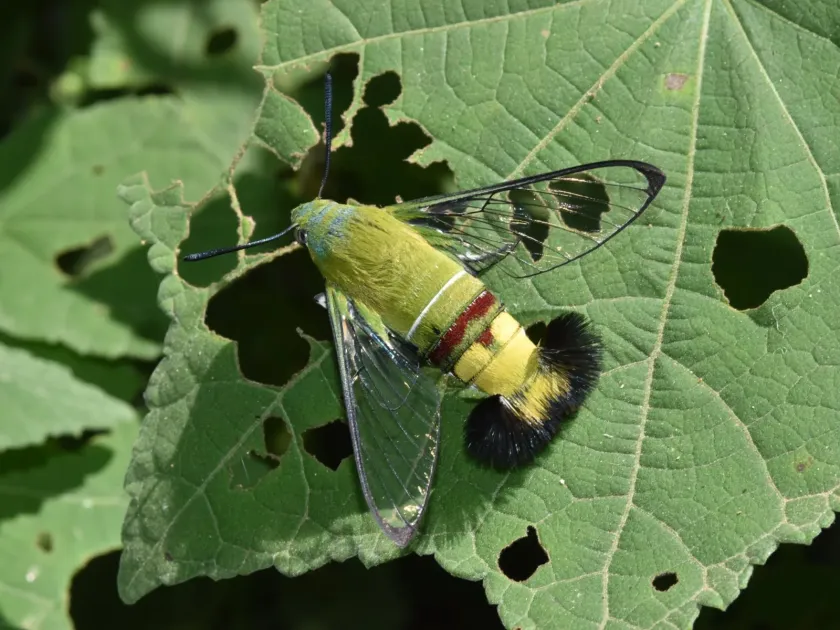
The Cephonodes genus belongs to the Sphingidae family, known as hawk moths. Adult moths are often mistaken for bumblebees due to the transparent areas on their wings and the unique coloration of their abdomen.
These moths are diurnal, meaning they are active during the day, hovering over flowers to feed on nectar with a characteristic rapid wing beat. Their bodies are covered in dense hair, enhancing their resemblance to Hymenoptera.
Cephonodes caterpillars display the typical hawkmoth morphology, featuring a distinct horn-like protrusion on the posterior end. The larvae vary in color, typically ranging from bright green to brownish, providing excellent camouflage.
The lifecycle consists of complete metamorphosis: egg, larva, pupa, and adult. They typically overwinter in the pupal stage, buried in the topsoil or hidden within plant debris near their host plants.
Key identification features include the specific wing structure with wide dark borders, distinguishing these moths from other clearwing insects found in the garden.
What it damages
The caterpillar stage is the primary cause of damage, known for its voracious appetite. Larvae can rapidly consume large portions of the leaf blade, often leaving only the tough midribs behind.
Commonly affected crops include various ornamental and fruit-bearing plants, such as honeysuckle (Lonicera), coffee, gardenias, and other members of the Rubiaceae family.
In cases of high infestation, the pest can cause total defoliation of a shrub in a short period, leading to severe plant stress and a loss of aesthetic value.
Young seedlings are particularly vulnerable, as the loss of significant photosynthetic surface area stunts their growth and reduces their overall resistance to environmental stress.
Damage to apical shoots can disrupt the plant's structural development, causing irregular growth patterns that require significant recovery time.
Signs of infestation
The most immediate sign of infestation is the presence of frass (caterpillar droppings) on the leaves situated directly below the feeding sites.
Detecting the caterpillars themselves can be challenging due to their effective mimicry, so gardeners should carefully inspect the undersides of leaves for signs of skeletonization.
Caterpillars often roll leaf edges or pull them together with silk to create protective shelters, which serves as a visible indicator of their presence.
Observing adult moths hovering around flowers during the day suggests egg-laying activity, indicating that host plants should be monitored closely in the coming days.
If you spot even one or two caterpillars, immediate manual removal is recommended to prevent a population explosion during the warm season.
Control measures
Manual removal of caterpillars is a highly effective, eco-friendly method for small gardens or when dealing with limited plant numbers.
Biological control agents, specifically those containing Bacillus thuringiensis, are effective against larvae without harming beneficial pollinators or predatory insects.
For severe infestations, systemic or contact-based insecticides approved for home garden use may be necessary to suppress the population quickly.
Cultural practices, such as tilling or cultivating the soil beneath shrubs in late autumn, can destroy overwintering pupae and reduce the population for the next spring.
- Regular monitoring during peak months of May and June.
- Encouraging natural predators like birds and parasitic wasps in the garden.
- Removing weed hosts that might provide alternative food sources for larvae.
Taxonomy
- Latin name
- Cephonodes
- Order
- Lepidoptera (butterflies)
- Family
- Sphingidae
- EPPO code
- CEPOSP
Discussion
No discussions yet — be the first.