
Elephant hawkmoth
Celerio
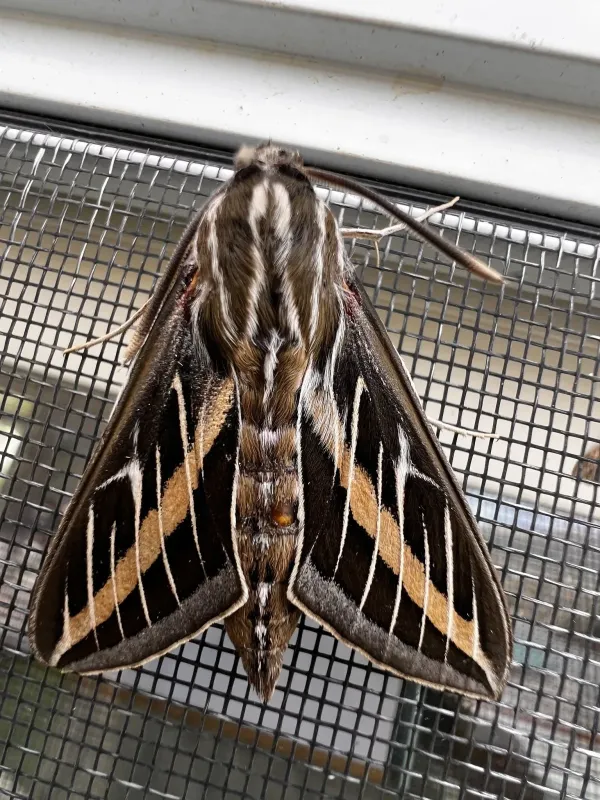
Description
How to identify
The Elephant Hawkmoth (Deilephila elpenor) is a distinctive moth belonging to the Sphingidae family. Adult moths are easily recognized by their olive-pink coloration and large size.
The larvae, or caterpillars, are the most prominent stage of this insect. They grow up to 8 cm long and are famous for the eye-like spots on their thorax, which they display when threatened.
Caterpillars display a range of colors, from green to dark brown, allowing them to blend into the foliage of their host plants seamlessly during the daylight hours.
Pupation takes place in the soil or within loose leaf litter. The pupae are brown and large, remaining in the ground throughout the winter period to emerge the following year.
The life cycle involves complete metamorphosis. Depending on the climate, the species typically completes one generation per year, though warmer climates may allow for two.
What it damages
The larvae feed primarily on members of the Onagraceae and Rubiaceae families, with Fuchsia, Willowherb, and particularly grapevines being common hosts in cultivated gardens.
The damage is caused by the caterpillars' high consumption of foliage. They have a voracious appetite and can defoliate entire branches of host plants in a short period.
In vineyards, heavy infestations can lead to significant leaf loss, which reduces the plant's photosynthetic capacity, weakens the vines, and affects berry quality.
Young plants are particularly vulnerable. A few large larvae can strip a young vine entirely, causing severe growth stunting or death if the plant is not well established.
Secondary damage can occur as leaf tissues are broken, creating entry points for opportunistic pathogens or fungi that can further degrade the plant's health.
When it appears
Adult moths are active from late May to July. They are nocturnal and are frequently seen hovering over nectar-rich flowers during the twilight hours.
Larvae are active from July through September. This is the period when they cause visible damage to host plants and are most easily found by observant gardeners.
Pupation occurs in early autumn, typically in September. The pupae remain dormant in the soil throughout the winter months, awaiting the warmth of the following spring.
Spring emergence is heavily dependent on soil temperature. Early, warm springs can trigger an earlier flight period for the adult moths, shifting the entire seasonal cycle.
Continuous monitoring during the peak summer months is essential for early detection, especially for those growing sensitive ornamental plants or viticulture crops.
Signs of infestation
The most obvious sign of infestation is ragged leaf edges or large holes within the leaf blades, which expand rapidly as the larvae feed and grow larger.
Large, dark, cylindrical droppings found on the ground beneath the host plant provide clear evidence that a large caterpillar is feeding in the canopy above.
Caterpillars are often found resting along stems or the underside of leaves during the day. Their cryptic coloration makes them masters of camouflage, requiring careful inspection.
In cases of high density, plants may show signs of extensive defoliation, with only the main veins of the leaves remaining attached to the stems.
Affected plants may show signs of physiological stress, such as yellowing or wilting of the damaged areas, as the plant attempts to seal off the wounds.
Control measures
Hand-picking is a highly effective control measure, especially for smaller garden areas. Because the larvae are large and slow-moving during the day, they are easy to remove.
Biological control using Btk (Bacillus thuringiensis kurstaki) sprays is effective against young larvae and poses minimal risk to beneficial pollinators and other insects.
Chemical control should be a last resort, using products approved for the specific crop and ensuring that all label instructions regarding safety and intervals are followed.
- Cultivating the soil around host plants in late autumn to disturb or kill pupating larvae.
- Removing primary weed hosts, such as Willowherb, to reduce the local population density.
- Encouraging natural predators, such as birds and parasitic wasps, which help keep populations in check.
Integrated Pest Management (IPM) strategies, combining cultural and biological controls, are generally sufficient to manage this pest without relying on heavy chemical interventions.
Taxonomy
- Latin name
- Celerio
- Order
- Lepidoptera (butterflies)
- Family
- Sphingidae
- EPPO code
- CELESP
Discussion
No discussions yet — be the first.