
Castnia atymnius
Castnia atymnius
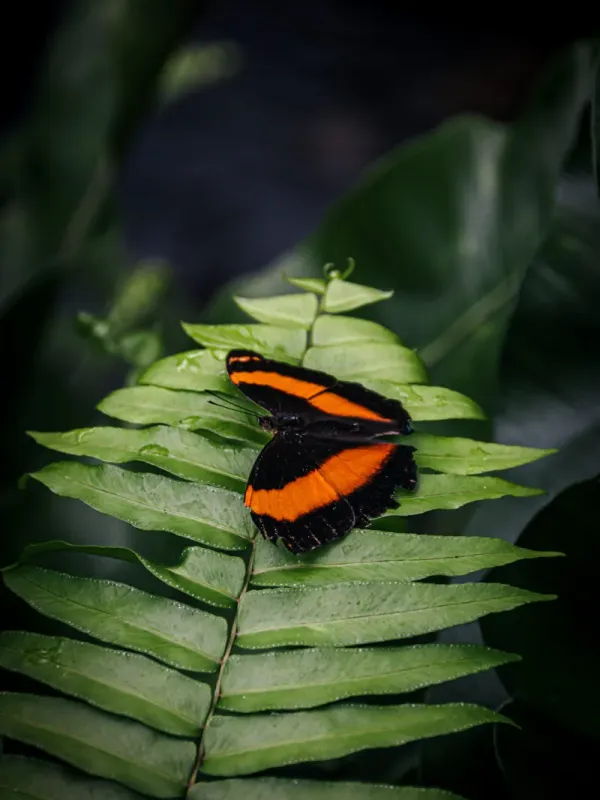
Description
How to identify
Castnia atymnius is a large diurnal moth belonging to the family Castniidae. Adult moths possess a distinct appearance, with dark-colored wings often featuring light, contrasting spots that provide excellent camouflage against tree trunks.
The insect undergoes a complete metamorphosis, including egg, larva, pupa, and adult stages. Unlike many nocturnal moths, these insects are active during the day, making them observable during sunlit hours.
The larvae, or caterpillars, are the primary damaging stage. They are typically robust with strong mandibles adapted for boring into tough plant tissues, often appearing pale or grayish.
Pupation takes place inside the tunnels created by the larvae within the plant host, which provides a protective microenvironment against environmental stressors and potential predators.
In tropical environments, reproduction is continuous throughout the year, meaning that various life stages of the pest can be found simultaneously within a single plantation.
What it damages
The primary hosts of Castnia atymnius are plants within the Musaceae family, with banana crops (Musa spp.) being the most economically significant targets of their infestation.
The larvae prefer to bore into the rhizomes and the lower pseudostems of the banana plants, feeding on the soft inner tissues which are crucial for nutrient transport.
Wild relatives of the banana plant can also serve as alternative hosts, acting as reservoirs that facilitate the spread of the pest into commercial cultivation areas.
As larvae feed, they disrupt the vascular system of the plant, leading to stunted growth, reduced leaf vigor, and poor fruit development in heavily infested crops.
In severe cases, the structural integrity of the plant is compromised, causing the plants to topple or fall under the weight of the fruit bunch during windy conditions.
Signs of infestation
The most visible indicator of an infestation is the presence of sawdust-like frass (excrement) around the base of the plant, expelled by larvae as they bore into the tissue.
Plants affected by the pest often display signs of physiological stress, including wilting, leaf yellowing, and a general decline in health due to compromised root and rhizome systems.
Close inspection of the base of the pseudostem often reveals entry holes created by the caterpillars, sometimes accompanied by sap exudation from the wound sites.
The presence of adult moths flying over the plantations during the day is a clear signal that the pest population is active and laying eggs on the crop.
- Accumulation of brown debris at the base of the plant.
- Entry holes visible on the rhizome or stem.
- Visible wilting of leaves and lack of vigor.
- Reduced stability leading to plant lodging.
Control measures
Integrated Pest Management (IPM) for this species begins with strict field hygiene, which involves the removal and destruction of severely infested plants and rhizomes.
Pheromone traps are highly effective for monitoring adult moth flight activity, allowing growers to time insecticide applications precisely to the window of egg-laying.
Biological control agents, including entomopathogenic fungi, can be used to manage larvae populations within the field, offering a sustainable alternative to broad-spectrum chemical sprays.
Chemical control is generally effective only against early-stage larvae before they penetrate deeply into the stem tissues where they are protected from contact pesticides.
Maintaining strict quarantine protocols for banana suckers and other planting material is essential to prevent the introduction of this pest into previously uninfested fields.
Taxonomy
- Latin name
- Castnia atymnius
- Order
- Lepidoptera (butterflies)
- Family
- Castniidae
- EPPO code
- CASTAH
Discussion
No discussions yet — be the first.