
Chequered skipper
Carterocephalus
Description
How to identify
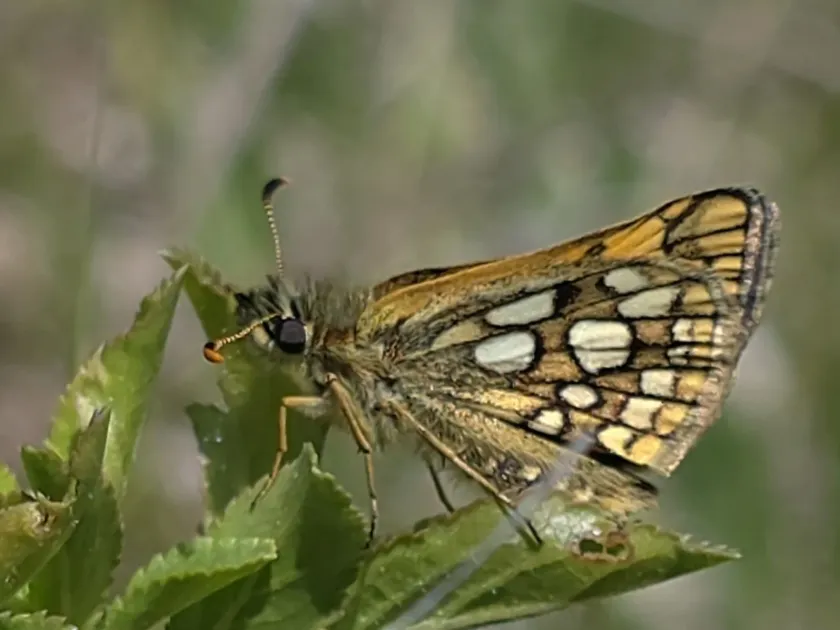
The Chequered skipper (Carterocephalus palaemon) is a butterfly belonging to the Hesperiidae family. Adults have a wingspan of approximately 25–30 mm and are easily distinguished by their dark brown wings adorned with distinct golden-yellow patches, providing effective camouflage against sunlight.
The body is robust and hairy, characteristic of the skipper family. Larvae, or caterpillars, are typically light green with a darker dorsal line. They are cryptic feeders, blending seamlessly with the stems and leaves of their host plants, which makes them difficult to spot during routine field inspections.
What it damages
The larvae primarily feed on various wild grasses, including species of Calamagrostis and Bromus. In agricultural settings bordering woodlands, they may shift their feeding preference toward cereal crops and cultivated grasses.
Damage is characterized by irregular feeding patterns on leaf margins. While rarely causing widespread economic collapse, local infestations can lead to partial defoliation in young cereal stands, which may impact the initial vegetative growth of the crop if numbers are sufficiently high.
When it appears
The flight period for adults is relatively short, occurring between late May and June. They are diurnal insects, thriving in sunny habitats such as forest glades, edges, and sometimes encroaching onto field margins.
The species is univoltine, meaning there is only one generation per year. Larvae overwinter in specialized shelters constructed by rolling a leaf and securing it with silk. They resume feeding in the spring, reach maturity, and pupate in late spring before emerging as adults.
Signs of infestation
Identifying an infestation involves looking for tell-tale signs of leaf manipulation. The most prominent indicator is the presence of silk-bound, rolled leaves where the larvae reside during the day.
- Leaves rolled or folded into cylindrical shelters.
- Irregular holes and ragged edges on grass blades.
- Presence of larval droppings (frass) near the feeding sites.
- Sighting of butterflies in sunny weather near crop edges.
Control measures
Effective management focuses on limiting the butterfly's breeding habitat. Removing wild grasses and weeds around field perimeters significantly reduces the local population of the Chequered skipper.
Proper soil cultivation and maintaining field sanitation are key components of integrated pest management. In extreme cases where localized damage is economic, registered insecticides can be used, but prevention through weed control is the primary and most sustainable approach.
Taxonomy
- Latin name
- Carterocephalus
- Order
- Lepidoptera (butterflies)
- Family
- Hesperiidae
- EPPO code
- CCEPSP
Discussion
No discussions yet — be the first.