
Oak apple gall wasp
Callirhytis quercuspomiformis
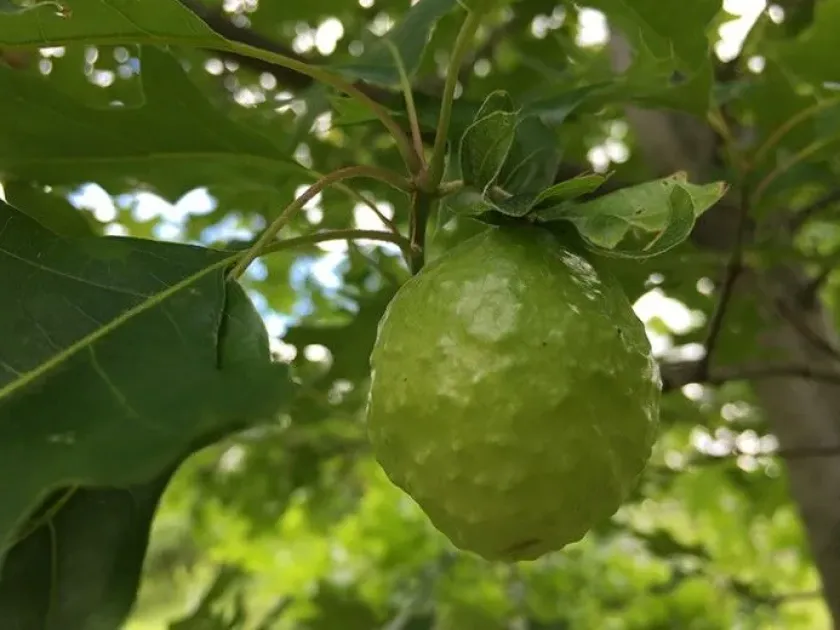
Description
How to identify
The oak apple gall wasp is a small hymenopteran insect within the Cynipidae family. These insects are best known for the complex, apple-shaped growths they induce on oak trees, known as galls.
The adult wasps are generally small and elusive, spending most of their life cycle either as eggs or larvae protected inside the gall structures they create on the host plant.
The galls themselves serve as both a nursery and a food source for the developing larvae. These structures are made of plant tissue that grows in a disorganized way due to chemical signals released by the wasp larva.
Identification is easiest when the galls are fully developed, showing a firm, often spherical shape that can reach several centimeters in diameter.
While the galls may look dramatic, they are essentially specialized environments engineered by the insect to ensure the survival and development of its progeny against predators.
What it damages
The primary hosts for this wasp are various species of oak. The insect targets young, actively growing plant tissues where it can most effectively stimulate gall formation.
Damage to the tree is primarily localized. The formation of multiple galls can redirect a significant amount of the tree's metabolic energy away from vegetative growth and towards sustaining the parasites.
In cases of heavy infestation, the tree's overall vigor may decline. This makes it more susceptible to secondary stressors, such as drought, nutrient deficiencies, or other opportunistic pests.
While a mature, healthy oak can usually withstand a moderate number of galls without long-term harm, younger or stressed trees are more likely to show signs of stunted growth and leaf loss.
Beyond the physiological impact, the presence of these conspicuous galls can be considered a cosmetic issue for ornamental trees in landscaping and municipal park settings.
When it appears
The life cycle of the oak apple gall wasp is tightly synchronized with the spring budding and leaf development of the host oak trees, providing the larvae with the necessary growth hormones.
The period from spring to late summer is marked by the active growth of galls, as the larvae consume the internal plant tissues provided by the gall structure.
Adult emergence typically occurs as the season wanes, often in late summer or early autumn, depending on local climatic conditions and the specific generation of the insect.
Some species of gall wasps exhibit complex generations involving both sexual and asexual stages, which means their life cycle can span across different seasons or even multiple years.
Temperature patterns, particularly a mild spring, can significantly influence the survival rate of the initial generation, potentially leading to population spikes in subsequent months.
Signs of infestation
The most diagnostic sign is the presence of round, apple-like growths on twigs and leaves. These start as green, succulent structures and eventually harden and turn brown.
Affected branches may show signs of abnormal development or localized drying, as the resources intended for healthy twig elongation are diverted to support the gall's growth.
Small, neat exit holes appearing on the surface of mature, dried galls indicate that the adult wasp has successfully completed its development and emerged.
- Deformation of leaf blades near the point of attachment.
- Reduced vitality of specific branch sections.
- Presence of numerous circular growths concentrated on younger, tender branches.
Regular monitoring of canopy density and branch health during the early growing season is the best way to detect an infestation before it spreads throughout the tree.
Control measures
The most effective cultural management strategy is to collect and dispose of fallen or reachable galls, which helps remove potential reservoirs of the wasp population from the area.
Pruning and destroying heavily infested branches can help reduce the local population, although this is often only practical for smaller trees or specific aesthetic sections.
Promoting general tree health through proper irrigation and balanced fertilization helps the tree better tolerate infestations and recover from the loss of nutrients caused by gall formation.
Chemical intervention is generally limited and difficult because the larvae are shielded within the dense gall tissues, making contact insecticides largely ineffective.
Biological control, such as encouraging native predators and parasitoid wasps, is often the most sustainable long-term approach to maintaining gall wasp populations at non-damaging levels.
Taxonomy
- Latin name
- Callirhytis quercuspomiformis
- Order
- Hymenoptera
- Family
- Cynipidae
- EPPO code
- KLRHQP
Discussion
No discussions yet — be the first.