
Callirhytis wasp
Callirhytis
Description
How to identify
The Callirhytis wasp is a genus of gall wasps within the family Cynipidae. These tiny hymenopteran insects are known for inducing abnormal growths, called galls, on oak trees where their larvae develop.
Adult Callirhytis are typically very small, often less than a few millimeters in length. They possess a delicate, dark-colored body and characteristic wing venation that identifies them as members of the Cynipidae family.
The life cycle of these wasps is remarkably complex, often involving alternating generations. This biological strategy allows the species to exploit different host parts or even different environmental conditions throughout the year.
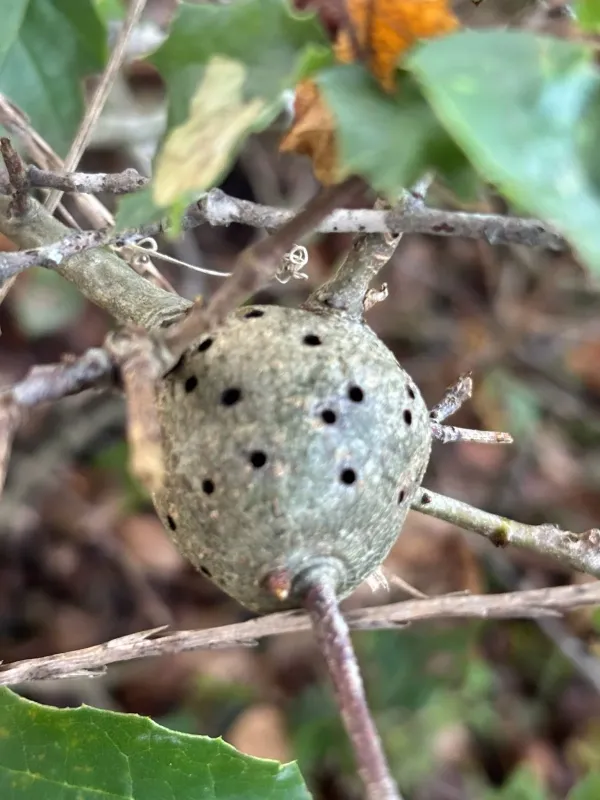
Because the wasps themselves are rarely seen, identification is primarily based on the morphology of the galls they induce. Each species of Callirhytis creates a unique, host-specific gall shape.
These wasps use a specialized ovipositor to inject eggs into plant tissue, triggering a chemical response from the oak that builds the protective gall structure around the larva.
What it damages
Oak trees (Quercus spp.) are the primary hosts for Callirhytis wasps. Depending on the species, the wasps may target leaves, buds, twigs, or even the roots of the trees.
The physical damage caused by the developing larvae includes diverting nutrients away from the tree's vital processes. The galls can cause severe deformity in twigs and stems, restricting vascular flow.
In ornamental landscaping and urban forests, the aesthetic damage caused by numerous galls can lead to public concern. Heavy infestations often result in premature leaf drop and overall vigor decline.
Trees stressed by drought or poor soil conditions are significantly more susceptible to damage. In severe cases, high gall density can lead to the dieback of branches and twigs.
While mature trees can generally withstand moderate infestations, young saplings may suffer stunted growth and reduced survivability due to the energy drain caused by gall formation.
Signs of infestation
The most obvious signs of a Callirhytis infestation are the galls themselves. These can appear as spherical, woody, or fuzzy growths on leaves, stems, or dormant buds.
Early-season signs include unusual swelling on the developing foliage or new shoots. These may initially be mistaken for natural plant variation until they harden or change color.
The presence of emergence holes on the surface of matured galls indicates that the adult wasps have completed their development and departed the host plant.
Significant leaf drop during mid-summer, combined with the presence of galls on the fallen foliage, is a strong indicator of an active population within the canopy.
Distorted growth patterns, such as twisted or branched twigs, are common symptoms of chronic Callirhytis activity in certain oak species.
Control measures
Sanitation is the primary control strategy for Callirhytis. Removing and destroying infested twigs and fallen leaves can significantly reduce the local population of the wasp.
It is crucial to perform pruning activities before the wasps emerge from the galls. This timing is essential to break the reproductive cycle effectively.
Chemical control via systemic insecticides may be considered for high-value ornamental trees. Treatments must be carefully timed to coincide with the flight period of the adult wasps.
Maintaining vigorous tree health through proper irrigation and soil management is the best long-term prevention. A healthy tree can better tolerate moderate gall activity.
Encouraging natural predators, such as parasitoid wasps and birds, within the ecosystem can help keep Callirhytis populations in check naturally, avoiding the need for harsh chemicals.
Taxonomy
- Latin name
- Callirhytis
- Order
- Hymenoptera
- Family
- Cynipidae
- EPPO code
- KLRHSP
Discussion
No discussions yet — be the first.