
Striated heron
Butorides striatus
Description
How to identify
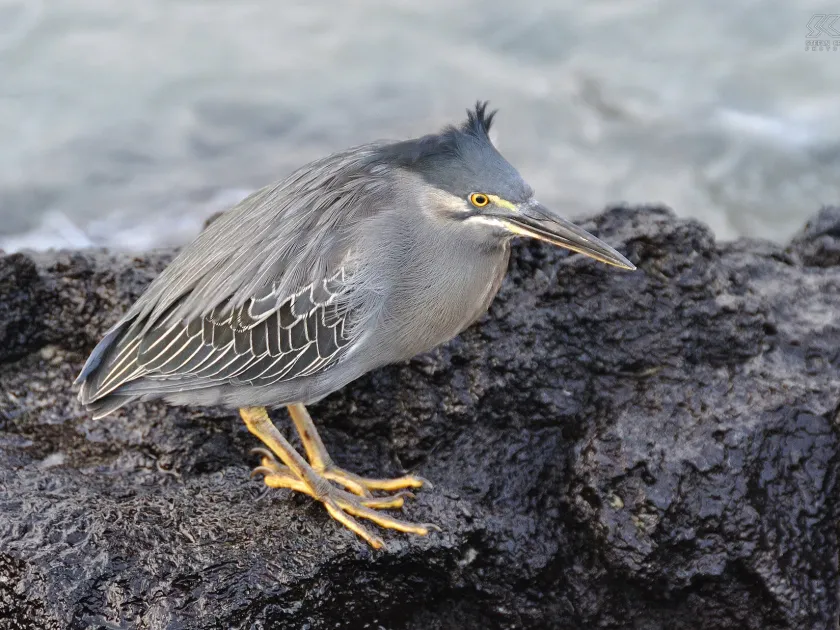
The Striated heron (Butorides striatus) is a member of the Ardeidae family, classified under the order Pelecaniformes. It is a small, compact bird well-adapted to life in dense shoreline vegetation.
The bird features dark, greyish-green plumage with a metallic sheen, which provides exceptional camouflage within mangroves, reeds, and overhanging bushes.
Adult birds typically measure 40–45 cm in length. They possess a sharp, powerful beak, which is an essential adaptation for hunting small prey in shallow water environments.
Striated herons are known for their solitary and secretive behavior. They often hunt by standing motionless for long periods, waiting for an opportunity to strike.
Nesting occurs in trees or shrubs hanging over water. The nest is a simple platform constructed from sticks, serving as a secure nursery for the offspring.
What it damages
The Striated heron is primarily considered an agricultural pest in aquaculture operations, particularly in fish farms and nursery ponds where fry are vulnerable.
By feeding extensively on small fish, the heron can significantly deplete the population of commercial fish stock, leading to measurable financial losses.
In rice cultivation, the bird's presence in flooded paddies can lead to crop damage, as they traverse mudbanks and trample young seedlings while hunting.
Indirect damage includes the disturbance of pond ecosystems and the potential for causing minor physical damage to aquatic vegetation and infrastructure.
While their diet consists mostly of aquatic fauna, their habit of congregating in managed ponds makes them a persistent issue for specialized agricultural water bodies.
Signs of infestation
The most reliable sign of a Striated heron presence is the rapid and unexplained loss of fish fry in shallow ponds, especially near the shore.
Characteristic footprints left in the soft mud along the edges of ponds are indicative of recent activity by the bird.
Visual sightings of the bird perched low in trees or shrubs, usually during dawn or dusk, indicate that the area is being used as a hunting ground.
Evidence of fish scales or remains found under favorite perching branches near the water confirms active hunting behavior in the immediate vicinity.
Trampled areas in paddy crops near water sources, combined with specific tracks, often reveal the bird's path during its search for prey.
Control measures
Physical barriers such as netting over small to medium-sized ponds are highly effective in preventing the heron from accessing the water to feed.
The use of visual deterrents, such as predator decoys or reflective tapes, can help discourage the birds from settling in a specific agricultural area.
Management of the shoreline vegetation is crucial; thinning out thick bushes around ponds removes the bird's preferred ambush sites and resting perches.
Acoustic deterrents that emit sudden sounds or ultrasonic pulses can be employed to disrupt the bird's hunting routine and encourage it to leave.
Because the Striated heron is protected in many jurisdictions, all control methods must be non-lethal and comply with local wildlife protection regulations.
Taxonomy
- Latin name
- Butorides striatus
- Family
- Ardeidae
- EPPO code
- BUTOST
Discussion
No discussions yet — be the first.