
Bothrops
Bothrops
Description
How to identify
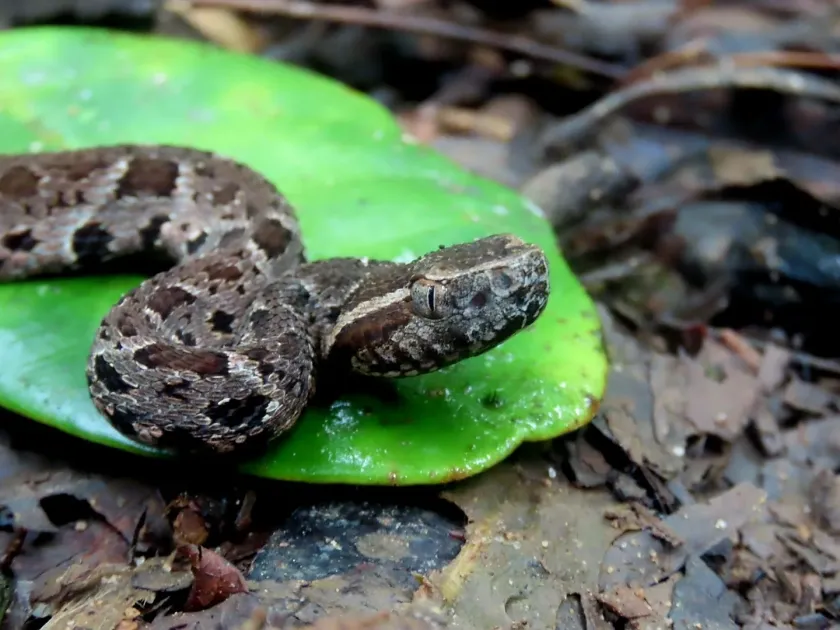
The genus Bothrops belongs to the Viperidae family and is widely known as the lancehead vipers. These are highly venomous snakes found primarily in the Americas.
They are characterized by a triangular-shaped head, distinct from the neck, and highly efficient camouflage patterns that allow them to blend into forest floors and vegetation.
These snakes are equipped with a complex venom delivery system and heat-sensing pits located between the eyes and nostrils, which help them detect prey.
It is critical to distinguish between actual agricultural pests and dangerous fauna. Bothrops species do not damage crops; they are strictly carnivorous predators.
Understanding their morphology and habitat preferences is essential for agricultural workers operating in tropical regions to maintain safety standards.
What it damages
Bothrops snakes cause zero damage to plant tissues, fruits, or roots. They are not herbivores and have no negative impact on crop yields.
In many cases, they act as natural controllers of rodent populations, which are significant pests that destroy grain and young seedlings.
The only negative impact they might have on agriculture is the operational risk they pose to human life and the subsequent disruption of field work.
No chemical or mechanical pest control measures are required against these snakes, as they are not pests in the traditional agronomic sense.
Management of the land should focus on minimizing direct human-snake interactions through proper site maintenance and training.
When it appears
The activity patterns of Bothrops are highly correlated with rainfall and temperature cycles, as they are ectothermic animals.
During the rainy season, these snakes become significantly more active, increasing the probability of encountering them in cultivated fields.
They prefer to remain in sheltered, shaded areas such as heavy undergrowth, debris piles, or abandoned rodent burrows during the hottest parts of the day.
Agricultural personnel should be particularly cautious during early morning or evening hours, when these snakes might be more active in their search for food.
Planning farm operations to avoid peak activity hours or sensitive habitats during the rainy season can significantly reduce the risk of accidents.
Signs of infestation
Visual signs of a snake's presence include shed skins found in inter-row spaces or near agricultural storage structures.
Field workers should be vigilant in areas with high vegetation, wood stacks, or organic waste piles, as these are ideal habitats for Bothrops.
Sudden movements in dense brush or the sound of rustling dry leaves should be treated as a potential presence of a snake.
Frequent sightings of small rodents or evidence of burrowing activity can also indicate an environment where these snakes are likely to hunt.
If a snake is sighted, the area should be evacuated immediately, and workers must be warned not to approach or provoke the animal.
Control measures
Protective measures are exclusively focused on occupational safety and the prevention of envenomation during agricultural tasks.
- Wear sturdy, high-cut safety boots that provide protection against bites.
- Keep fields and storage areas clear of debris, tall grass, and scrap materials to reduce hiding spots.
- Maintain aggressive rodent control programs to eliminate the primary food source attracting these snakes.
- Provide all field staff with comprehensive training on venomous snake awareness and first aid.
- Use long-handled tools for manual tasks in thick vegetation to maintain a safe distance from potential hiding spots.
Taxonomy
- Latin name
- Bothrops
- Family
- Viperidae
- EPPO code
- BTHPSP
Discussion
No discussions yet — be the first.