
Bitis viper
Bitis
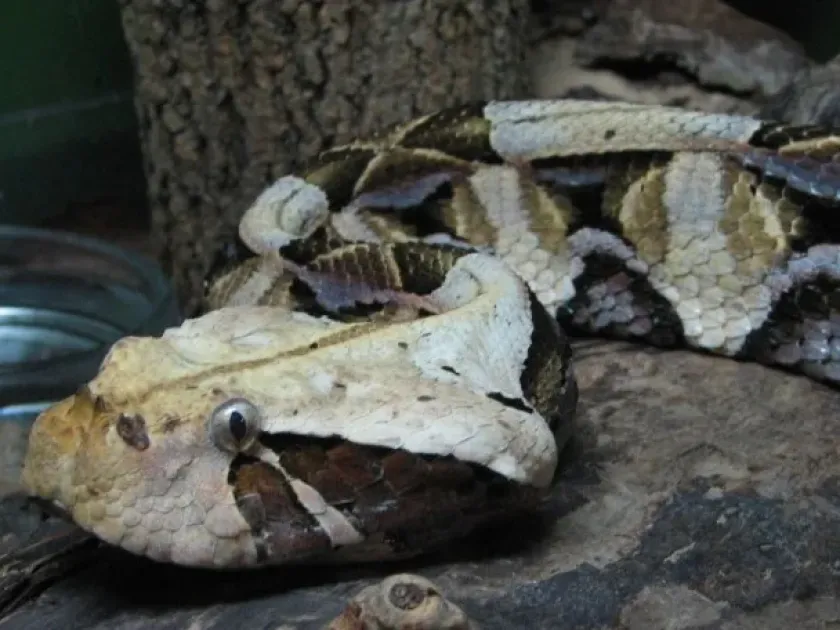
Description
How to identify
The genus Bitis, belonging to the Viperidae family, consists of heavy-bodied, terrestrial snakes known for their robust appearance. They are often characterized by a triangular, spade-shaped head that is distinct from the thick, powerful body.
These snakes are masters of camouflage, typically featuring patterns of dark geometric shapes, blotches, or bands on a background that matches the soil or leaf litter. This cryptic coloration makes them difficult to spot during routine field activities.
Most species within this genus have vertical, slit-like pupils, which are indicative of their nocturnal or crepuscular habits. Their scales are keeled, providing a rough, rugged texture that aids in movement across uneven terrain.
Adult Bitis vipers generally range from moderate to large sizes, with a short, abruptly tapering tail. Their morphology is optimized for a sit-and-wait predatory strategy, rather than active pursuit, allowing them to remain hidden for long periods.
Being cold-blooded reptiles, their activity is heavily influenced by ambient temperature. They utilize behavioral thermoregulation, moving between sun-drenched patches and shaded areas or burrows to maintain optimal body temperature.
What it damages
It is crucial to state that Bitis vipers do not consume plant material. They are strictly carnivorous and function as apex predators of small rodents and other vertebrates within the agricultural ecosystem, posing zero direct damage to crops.
In many regions, these snakes serve as beneficial natural control agents for pest populations. By keeping rodent numbers in check, they perform an ecological service that can indirectly protect grain and other agricultural products from destruction.
The primary issue regarding Bitis in agriculture relates to occupational safety. When snakes are present in crop fields, they can complicate manual tasks such as weeding or harvesting, as workers are at risk of accidental bites if the snakes are disturbed.
There is no direct economic damage caused to crops by these vipers. Any financial impact is associated solely with the management of worker health and safety protocols in areas where these animals are endemic.
The agricultural approach towards Bitis should emphasize coexistence and risk management rather than eradication, as removing them could lead to a surge in rodent populations, resulting in genuine crop losses.
When it appears
The seasonal activity of Bitis vipers is tied to regional climatic cycles. During hotter months, they are more likely to shift their activity to cooler nocturnal hours to prevent dehydration and overheating.
Rainy seasons often trigger changes in habitat usage. Snakes may move into drier areas, such as raised beds or field margins, to find suitable resting grounds, which increases the likelihood of human encounters.
During the peak of the growing season, especially when vegetation provides ample cover, their activity levels may increase. This period coincides with high field traffic, necessitating increased awareness among farm personnel.
In colder seasons or extreme drought, Bitis vipers reduce their activity to a minimum. They seek refuge in underground burrows or dense, stable shelters where temperature fluctuations are minimal, effectively hibernating or aestivating.
Understanding these seasonal movements allows farm managers to schedule high-risk manual labor in areas or times where snake activity is predictably lower, thereby increasing worker safety.
Control measures
Chemical control against Bitis is strongly discouraged. It is harmful to the environment and typically results in the removal of predators, which subsequently allows pest rodent populations to explode.
The most effective management strategy is habitat modification. Keeping field margins clear of debris, long weeds, and accumulated organic matter removes the hiding spots that Bitis vipers use to ambush prey.
Ensuring that all field workers are equipped with proper Personal Protective Equipment (PPE), specifically high, durable boots and heavy-duty clothing, significantly mitigates the danger of accidental bites.
Training programs for staff on how to identify, react to, and avoid snakes are essential. Promoting a "leave them be" policy is the most effective way to prevent incidents, as most bites occur when snakes are handled or stepped on.
Integrating mechanical harvesting where possible reduces the human footprint in the field, further lowering the probability of negative interactions between the agricultural labor force and local viper populations.
Taxonomy
- Latin name
- Bitis
- Family
- Viperidae
- EPPO code
- BITISP
Discussion
No discussions yet — be the first.