
White-tailed bumblebee
Bombus lucorum
Description
How to identify
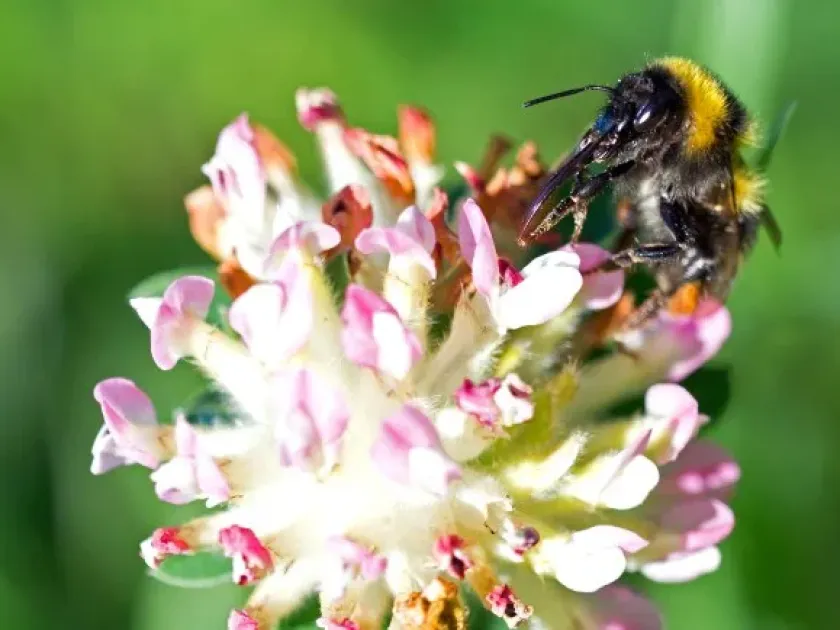
The White-tailed bumblebee (Bombus lucorum) is a member of the Hymenoptera order, specifically known for its distinctive black body, yellow bands on the thorax and abdomen, and a clear white tail.
These social insects establish colonies in underground nests. The life cycle begins in early spring with queen emergence, followed by the rapid development of worker populations that peak in mid-summer.
In nature, they are highly effective pollinators. However, in artificial environments like greenhouses, their instinctive foraging behavior can turn them into pests if not managed properly.
They possess a relatively short tongue, which is a key biological feature. This physical limitation often forces them to resort to nectar robbing rather than legitimate pollination.
The species is highly adaptable, which allows them to thrive in various habitats, including intensive agricultural settings where they can sometimes disrupt standard crop production cycles.
What it damages
The primary concern regarding Bombus lucorum in commercial settings is damage to greenhouse-grown crops such as tomatoes, peppers, and various berry plants.
The insects perform "nectar robbing" by piercing the base of the flower with their mandibles to reach the nectar. This bypasses the reproductive parts of the flower, resulting in zero pollination.
Flowers subjected to such behavior often fail to set fruit or produce malformed fruits. The physical damage to the floral structure leads to abscission and significant yield losses.
Open wounds on the flower tissues created by the bees provide entry points for pathogens and opportunistic fungi, which can spread rapidly through a greenhouse crop.
High densities of these bees within a confined space exacerbate the issue, as the competition for easily accessible nectar forces more individuals to adopt damaging foraging strategies.
Control measures
The most effective strategy to manage unwanted activity is the installation of fine-mesh screening on all greenhouse vents and doorways to prevent the entry of wild populations.
When introducing managed bumblebee colonies for legitimate pollination, it is crucial to follow density guidelines to ensure that bees have enough resources and do not resort to destructive behaviors.
Chemical control is generally avoided because it harms beneficial insects; instead, physical barriers and the use of light-based deterrents during specific hours are preferred.
Maintaining optimal greenhouse conditions, including proper humidity and temperature, can improve natural nectar accessibility, reducing the need for bees to puncture the flower bases.
Ongoing monitoring of floral health is essential. If nectar robbing signs appear, greenhouse managers should evaluate the density of the bumblebee colonies and consider adjusting the environmental conditions.
Taxonomy
- Latin name
- Bombus lucorum
- Order
- Hymenoptera
- Family
- Apidae
- EPPO code
- BOMULU
Discussion
No discussions yet — be the first.