
Bolitobius cingulatus
Bolitobius cingulatus
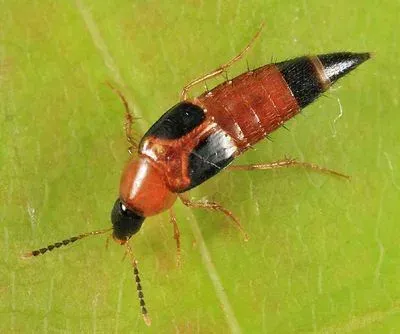
Description
How to identify
Bolitobius cingulatus is a beetle species belonging to the family Staphylinidae, order Coleoptera. These insects are known for their slender, elongated bodies and are commonly referred to as rove beetles, typically found in moist environments.
Adult beetles are highly active and possess well-developed sensory organs, allowing them to locate fungal substrates efficiently. They are characterized by their distinct coloration and movement patterns which help them navigate through decaying organic matter.
The larvae of this species are specialized for life within fungal fruiting bodies. They have robust mouthparts capable of excavating tunnels, which is essential for their growth and survival within the nutritious but compact substrate of mushrooms.
These beetles are naturally associated with wild fungi but can adapt to artificial cultivation conditions if environmental controls fail. Their development includes four stages: egg, larva, pupa, and adult, all occurring within or near the host material.
Identification in a farming environment often involves detecting the presence of small adult beetles near the shelves or noticing the characteristic damage patterns in the mushroom tissues caused by the developing larvae.
What it damages
In mushroom cultivation, the damage is primarily caused by the larval stage. They penetrate the fruiting bodies, creating intricate tunnels that degrade the internal structure of the mushrooms rapidly.
The damage compromises the structural integrity of the crop, making the mushrooms soft and prone to collapsing. This leads to a total loss of commercial value as the produce becomes unacceptable for consumers.
Infested areas become primary targets for opportunistic bacterial and fungal pathogens. Once the beetle breaks the mushroom surface, bacteria can enter, resulting in rapid decay and unpleasant odors in the cultivation room.
In large-scale mushroom production, these beetles can cause significant economic losses if not identified early. They can spread quickly from one contaminated bag or tray to adjacent ones, necessitating total batch disposal.
The presence of larvae inside the mushroom tissue is often not visible until the mushroom is harvested or sliced, which can damage the reputation of the producer if affected products reach the market.
Control measures
The primary control strategy involves rigorous hygiene practices within mushroom growing facilities. Keeping the environment clean and disposing of waste blocks properly is crucial to breaking the beetle's life cycle.
Effective substrate sterilization is the most critical preventative measure. Ensuring that all growing media undergoes appropriate thermal processing kills any eggs or larvae present in the raw materials before spawning.
Monitoring using sticky traps and light traps can help detect the presence of adults early. Once adults are caught, producers can identify the scale of the infestation and decide on the necessary intervention strategy.
Chemical control should be avoided close to harvest time to ensure food safety. If insecticides are necessary, they should be applied between production cycles and handled according to local safety regulations.
- Strict sterilization of all cultivation substrates.
- Sealing entry points with insect-proof screens.
- Removing and destroying infested mushroom clusters immediately.
- Maintaining optimal climate conditions to limit beetle activity.
Taxonomy
- Latin name
- Bolitobius cingulatus
- Order
- Coleoptera (beetles)
- Family
- Staphylinidae
- EPPO code
- BLTBCI
Discussion
No discussions yet — be the first.