
Belonuchus
Belonuchus
Description
How to identify
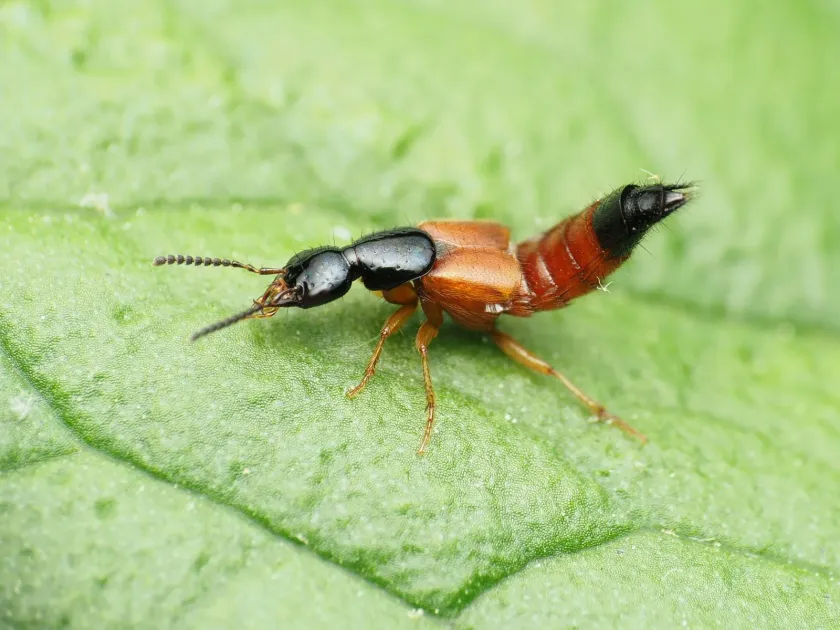
Belonuchus is a genus of rove beetles (Staphylinidae), distinguished by their elongated bodies and shortened elytra that reveal segments of the abdomen.
Adult beetles are typically shiny black, often measuring 10-15 mm in length. They possess powerful mandibles and are highly mobile, making them difficult to detect in dense foliage.
While many rove beetles are beneficial predators, certain species within the Belonuchus genus have been documented to feed on plant tissues, classifying them as agricultural pests.
Their life cycle consists of four distinct stages: egg, larva, pupa, and adult, with larvae often developing in moist, organic-rich environments or directly within plant substrates.
Identification is best achieved through direct observation of the beetles within flowers, fruit clusters, or underneath decaying organic debris at the base of plants.
What it damages
The primary hosts for Belonuchus include Solanaceous plants such as tomatoes, peppers, and eggplants, where beetles feed on soft fruit tissues.
Damage appears as small, irregular pits on the fruit surface, which often become entry points for secondary bacterial and fungal infections, leading to rot.
Larval feeding within the fruit can cause significant structural damage, resulting in deformed produce that is unsuitable for market and storage.
Feeding activity also stresses the plant, potentially causing premature fruit drop and a significant reduction in total yield, especially in protected greenhouse environments.
The accumulation of waste from the beetles further contaminates the produce, reducing its quality and shelf life significantly after harvest.
Signs of infestation
Visible surface wounds on fruits, resembling pinpricks or small craters, are the most immediate sign of adult Belonuchus feeding activity.
Evidence of tunneling inside fruits or flower buds, often accompanied by decay, indicates the presence of larvae actively destroying plant tissue.
The presence of adult beetles, particularly during early morning or evening hours, suggests an established population on the crop.
Premature shriveling or sudden rotting of otherwise healthy-looking flowers and small fruits can point to the impact of these insects.
Secondary fungal or bacterial pathogens developing on the injury sites often reveal the underlying pest problem that allowed the initial infection to take root.
Control measures
Integrated Pest Management (IPM) strategies for Belonuchus focus on high levels of farm hygiene, including the prompt removal of crop debris after harvest.
The use of yellow sticky traps or pheromone lures can effectively monitor population levels and suppress adult numbers within a greenhouse setting.
Targeted chemical applications should be used only when economic thresholds are reached, ensuring compatibility with beneficial insects if integrated biological control is used.
- Sanitation: Clear all fallen fruit and plant residues immediately.
- Monitoring: Deploy sticky traps to track beetle population density.
- Rotation: Use crop rotation to disrupt the life cycle of soil-dwelling larvae.
Biological control methods, such as the introduction of predatory mites or nematodes, may provide suppression in organic production systems if managed correctly.
Taxonomy
- Latin name
- Belonuchus
- Order
- Coleoptera (beetles)
- Family
- Staphylinidae
- EPPO code
- BELNSP
Discussion
No discussions yet — be the first.