
Aylax
Aylax
Description
How to identify
Aylax is a genus of insects belonging to the family Cynipidae (gall wasps) within the order Hymenoptera. These small insects are known for their ability to induce the formation of galls, which are abnormal growths on host plant tissues.
Adult insects are typically small, with a dark, compressed abdomen characteristic of gall wasps. Their wings are transparent with a simplified venation pattern, which serves as a crucial taxonomic feature for identification.
The biology of Aylax is strictly linked to their parasitic lifestyle, where larvae develop inside the plant tissues, protected from environmental stressors and many natural predators.
Identification of the species often requires careful examination of the galls themselves, as the morphology and location of the gall are host-specific and diagnostic.
Field monitoring typically involves looking for gall formations during the active growing season, as these are the most reliable indicators of the pest's presence.
What it damages
Aylax species primarily infest plants within the family Papaveraceae, including various wild species and, notably, the opium poppy (Papaver somniferum).
Larval feeding causes the formation of galls in stems, peduncles, or seed capsules, which severely disrupts the plant's vascular system and nutrient transport.
Heavy infestations lead to stunted plant growth, reduced seed yield, and lower overall quality of the harvested produce, which can be economically devastating for growers.
Deformation of generative organs prevents normal seed development and maturation, significantly impacting the crop's reproductive success and commercial value.
Furthermore, the physical damage caused by the insect provides an entry point for secondary infections, including various fungal and bacterial pathogens that further degrade crop health.
When it appears
The life cycle of Aylax is closely synchronized with the phenological development of its host plant, ensuring that larvae have a reliable food source throughout their growth period.
Adults emerge from over-wintering galls in early spring, coinciding with the budding or early flowering phase of the host plant.
After mating, females utilize their ovipositors to deposit eggs into young, succulent plant tissues, initiating the process of gall formation.
Depending on the climatic zone and species, the pest may complete one or multiple generations per year, with the larvae often spending the winter inside the hardened galls.
Monitoring the fields after harvest is essential, as the remnants of these galls in the soil or plant debris are the primary reservoir for the following year's infestation.
Signs of infestation
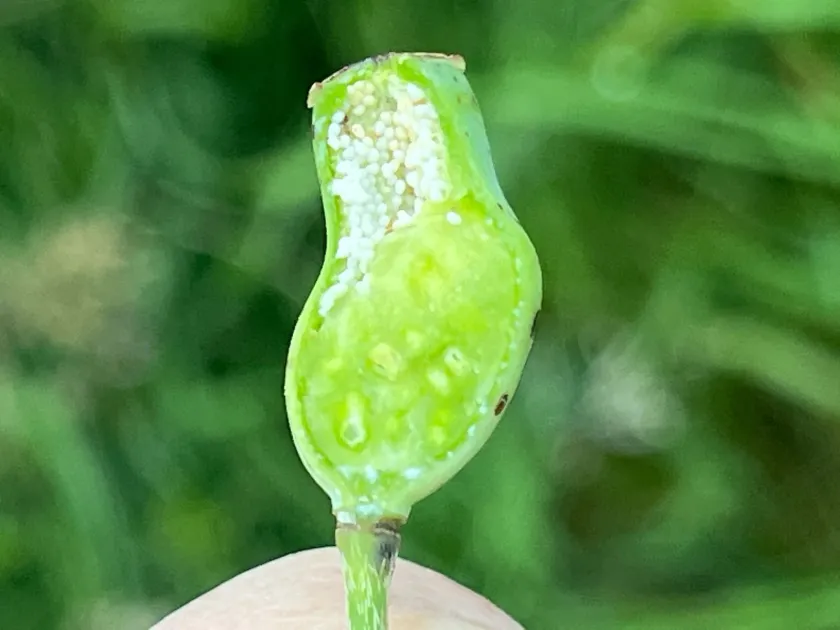
The most prominent sign of an Aylax infestation is the appearance of galls—localized tissue swelling—on the stems, branches, or capsules of the host plant.
These galls can range in shape and size but are usually distinct from normal plant tissue, often differing in texture, color, and density.
Close inspection of a gall typically reveals an internal chamber where the larva has been feeding, providing direct evidence of the pest's activity.
Affected plants often exhibit visible growth abnormalities, such as twisting or bending of the stems, and may show signs of premature wilting or yellowing.
Once the adult insect completes its development and exits the gall, small circular emergence holes become visible on the surface of the gall tissue.
Control measures
Managing Aylax requires a multi-faceted approach focusing on mechanical destruction of overwintering sites and integrated pest management (IPM) practices.
- Deep plowing after harvest to bury infested plant debris and prevent adult emergence.
- Removal and destruction of wild Papaveraceae host plants surrounding the fields.
- Crop rotation to reduce the localized population pressure of the pest.
- Proper field sanitation to eliminate potential hiding places for the insects.
- Systemic insecticide applications timed precisely with the adult flight period before gall formation.
Chemical control is most effective when targeted at the adult stage or very early larval stages, as the gall itself provides a significant physical barrier to systemic treatments.
Encouraging natural biological enemies, such as parasitoid wasps that prey on gall larvae, is an important strategy for long-term population suppression in sustainable agriculture.
Taxonomy
- Latin name
- Aylax
- Order
- Hymenoptera
- Family
- Cynipidae
- EPPO code
- AYLXSP
Discussion
No discussions yet — be the first.