
Automeris coresus
Automeris coresus
Description
How to identify
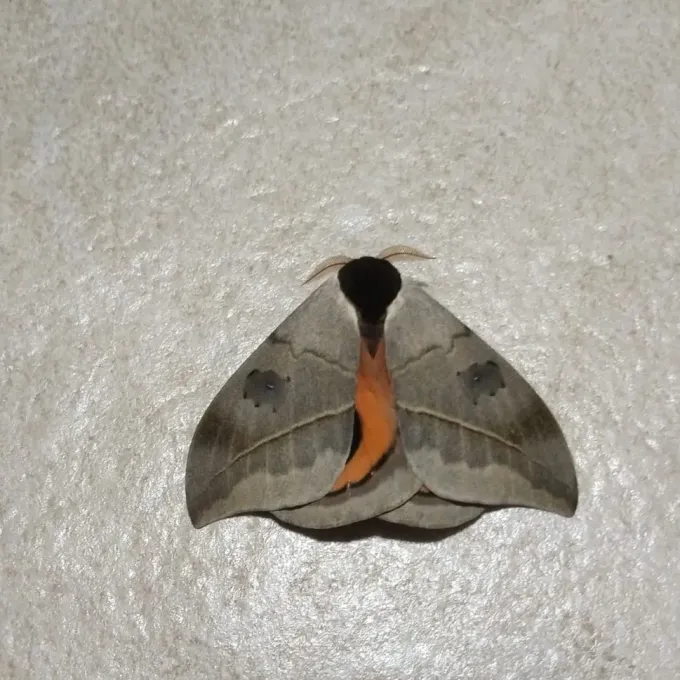
Automeris coresus is a species of moth within the Saturniidae family (order Lepidoptera). This moth is known for its large larvae which can cause significant damage to host plants.
Adult moths display distinctive eyespots on their hindwings, a key defensive feature used to startle potential predators when the wings are suddenly opened.
The larvae are characterized by branched, urticating spines that contain toxins. Contact with these spines can result in painful skin irritation in humans and animals.
As the caterpillars mature, their coloration becomes more vibrant, serving as an aposematic signal to deter predators from consuming them.
Accurate identification of this species relies on observing the larval head capsule structure and the specific arrangement of the spines on the body segments.
What it damages
The pest primarily targets deciduous trees and shrubs, though it may occasionally affect specific fruit and ornamental plants in its native range.
The larvae are the destructive life stage, as they actively consume leaf tissue, often causing skeletonization or total defoliation of the canopy.
Significant outbreaks of Automeris coresus can lead to severe stress for host plants, weakening their physiological defenses and reducing overall growth rates.
Plants suffering from heavy larval feeding become susceptible to secondary pathogens and opportunistic wood-boring insects due to the reduction of their leaf area.
Large-scale infestations pose a threat to both natural forests and agricultural areas where the host plants are cultivated in high density.
When it appears
The biological cycle of Automeris coresus is closely tied to local climatic patterns, with development peaking during the warm growing season.
Females deposit eggs in clusters on the foliage, ensuring that larvae have an immediate food source upon hatching from the egg masses.
The larval stage consists of several instars, with each stage requiring more food than the previous one, leading to rapid biomass accumulation.
Pupation typically occurs within robust cocoons, often attached to twigs or hidden in the leaf litter, providing protection during the metamorphosis stage.
Adult flight periods are often synchronized with favorable weather conditions or the availability of suitable host plants for the next generation.
Signs of infestation
Visible signs of an Automeris coresus infestation include the accumulation of frass (larval excrement) on leaves beneath the tree canopy.
Noticeable gaps in the leaves, ragged margins, and heavily consumed foliage indicate active feeding by a caterpillar colony.
Due to the defensive nature of the larvae, they are rarely preyed upon, meaning that population levels can grow significantly before damage becomes obvious.
Discarded larval skins (exuviae) left on branches are reliable indicators of the growth stage and the presence of the pest on specific host trees.
The detection of cocoons on the bark of trunks or within the undergrowth is a critical step for monitoring the population density for the following season.
Control measures
Manual control methods, such as removing egg clusters or larvae, require strict adherence to safety protocols due to the venomous nature of the larval spines.
Biological control using Bacillus thuringiensis formulations is considered an effective and environmentally friendly approach to managing larval populations.
Chemical control involving selective insecticides is most effective when targeted at early larval instars, which are generally more vulnerable to treatment.
Maintaining tree health and vigor through proper horticultural practices helps plants recover more effectively from partial defoliation caused by the pest.
Integrated Pest Management (IPM) strategies, including monitoring and the encouragement of natural predators, are essential for long-term population suppression.
Taxonomy
- Latin name
- Automeris coresus
- Order
- Lepidoptera (butterflies)
- Family
- Saturniidae
- EPPO code
- AUTMCO
Discussion
No discussions yet — be the first.