
Spittlebug
Aphrophora vitis
Description
How to identify
The spittlebug (Latin: Aphrophora vitis) is a sap-sucking insect belonging to the family Aphrophoridae. Adults are small, jumping insects ranging from 10 to 12 mm in length. Their coloration, which varies from brownish to greyish-brown, serves as effective camouflage against the bark of the grapevine, making them difficult to spot.
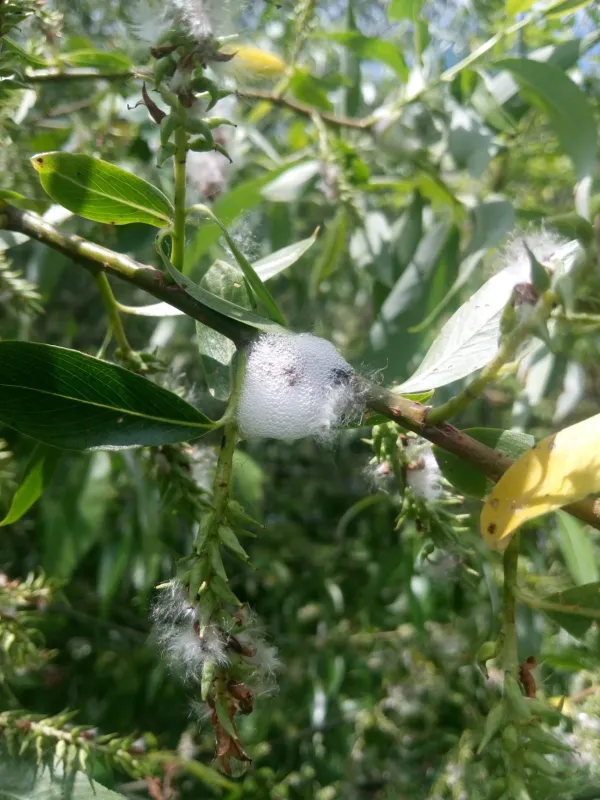
The most distinctive characteristic of this species is the behavior of its nymphs. They surround themselves with a protective mass of froth that resembles spit, which is why the insect is commonly known as the spittlebug. This foam acts as a crucial barrier, protecting the delicate nymph from desiccation, UV radiation, and predators.
Unlike the sedentary nymphs, adult spittlebugs are highly active and possess powerful hind legs. When disturbed, they perform sudden leaps to escape, often moving rapidly from one vine branch to another. Their sturdy chitinous exoskeleton provides additional protection against environmental stressors compared to the vulnerable nymph stage.
The life cycle involves three main stages: egg, nymph, and adult. The insect overwinters in the egg stage, with females laying eggs beneath the bark of perennial shoots or near the base of vine buds. In spring, when temperatures stabilize, the nymphs emerge and immediately begin feeding on the sap of young plant tissues.
Depending on the climatic region, the species may produce one or more generations per season. Their high reproductive rate and the protective nature of the nymphal foam make them a persistent challenge for vineyard management, requiring ongoing vigilance throughout the growing season.
What it damages
While the spittlebug is primarily associated with grapevines, it also infests various other garden shrubs and crops. The damage is caused by both nymphs and adults piercing plant tissues and extracting sap, which depletes the vine's energy reserves and hinders its overall growth and development.
As the insects feed, they inject salivary enzymes into the plant tissue. These enzymes can disrupt the plant's normal physiological processes, leading to the deformation of young leaves and shoots. Affected leaves often curl, yellow, and drop prematurely, which significantly reduces the efficiency of photosynthesis.
The most severe impact occurs during the flowering period. When spittlebugs feed on the inflorescences, they often cause the flower clusters to wither or the berries to develop poorly. This can lead to a drastic reduction in grape yield, both in terms of quantity and quality of the final harvest.
Furthermore, the spittlebug acts as a vector for various viral diseases and phytoplasmas. The punctures made by the insects serve as entry points for pathogens, which can trigger systemic diseases that threaten the long-term health of the entire vine, eventually causing decline or even total death of the plants.
Plants weakened by continuous sap feeding show increased susceptibility to secondary infections and winter damage. Reduced carbohydrate reserves, caused by the loss of nutrients, lower the vine's frost resistance, making it more difficult to maintain a healthy and productive vineyard in the long term.
Signs of infestation
The most obvious sign of an infestation is the presence of white, frothy foam blobs on the stems, leaf axils, and flower clusters. This "spittle" is easily visible during a routine walk through the vineyard and serves as a clear indicator of nymph activity in the immediate vicinity.
If the foam is carefully cleared away, the yellowish or greenish nymph can be found inside. Once exposed, the nymph typically becomes active and attempts to crawl away or begin secreting new foam to restore its protective cover, confirming the presence of the pest.
Visual damage to leaves presents as curling, wilting, and uneven discoloration or chlorosis. Young shoots infested by colonies of nymphs may exhibit stunted growth or twisting. These symptoms can sometimes be mistaken for viral infections, so proper physical inspection of the plant is necessary.
Adults are more challenging to track due to their mobility. However, one can observe them by gently shaking the vine branches; the insects will instantly leap away. This sudden jump is a diagnostic behavioral trait that helps distinguish them from other common vine pests.
General vine decline, particularly during hot and dry spells, is another indirect sign. If a vineyard shows signs of water stress despite adequate irrigation, it is worth checking for sap-sucking insects like the spittlebug, as they contribute significantly to the plant's overall stress level.
Control measures
Agrotechnical management is the first line of defense. Keeping the vineyard free of weeds is essential, as these plants serve as alternative hosts for the nymphs. Regular summer pruning and leaf thinning improve canopy aeration, which creates a less favorable microclimate for the pests and facilitates easier inspection.
On smaller plots, physical removal is highly effective. Blasting the vines with a strong stream of water from a hose can wash away the foam and the nymphs. Once the protective foam is destroyed, the nymphs are exposed to the sun and natural predators, which significantly reduces the population.
Biological control options include using insecticides based on entomopathogenic fungi, such as Beauveria bassiana. These products are safe for the environment and for beneficial insects, making them an excellent choice for managing spittlebug populations without disrupting the vineyard ecosystem during the growing season.
In cases of severe infestation, systemic chemical insecticides may be required. These substances are absorbed by the plant and kill the insects during the feeding process. It is critical to adhere strictly to safety guidelines, application rates, and pre-harvest intervals to ensure the safety of the fruit.
For commercial vineyards, monitoring with yellow sticky traps is a recommended professional practice. These traps help identify the emergence of adults, allowing for precision timing of control measures. By applying treatments only when necessary, growers can maximize efficiency while minimizing the use of chemicals.
Taxonomy
- Latin name
- Aphrophora vitis
- Order
- Hemiptera (bugs, aphids, leafhoppers)
- Family
- Aphrophoridae
- EPPO code
- APHRVI
Discussion
No discussions yet — be the first.