
Oak seed gall wasp
Andricus seminator
Description
How to identify
The oak seed gall wasp (Andricus seminator) is a small hymenopteran insect belonging to the Cynipidae family. These insects are primarily known for inducing the growth of galls on oak trees.
The adults are tiny, often less than 3 mm long, with a specialized morphology adapted for inserting eggs into the tissues of the host plant during the early stages of bud development.
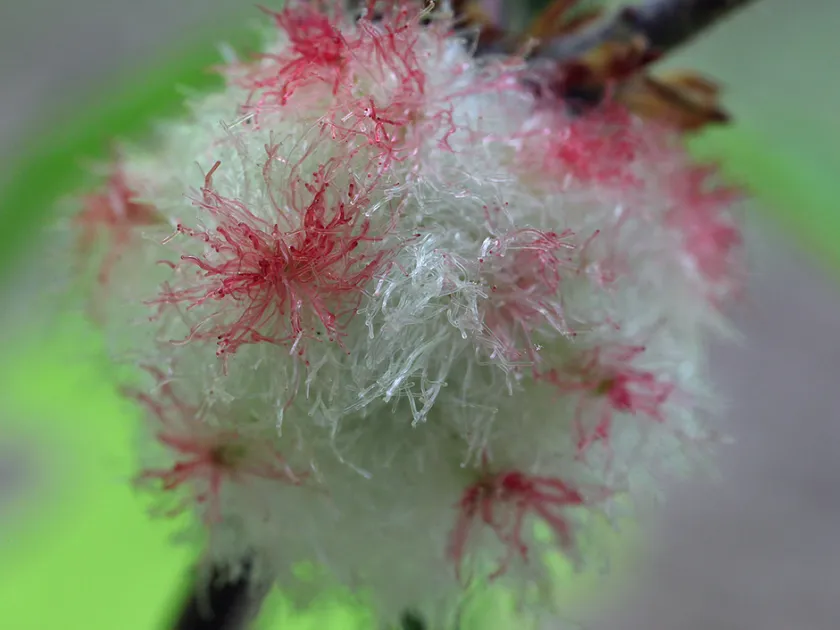
The life cycle involves the formation of distinctive galls that look like fuzzy, hair-covered structures. These galls provide both nutrition and physical protection for the developing larvae.
Unlike many other pests, these wasps do not kill the host tree but rather manipulate its growth processes for their own reproductive success, creating complex structures that act as a nursery.
Identification is most commonly achieved by observing the unique gall morphology. Once an experienced agronomist sees these woolly growths, the presence of Andricus seminator is confirmed.
What it damages
This wasp specifically targets oak species (Quercus). It prefers the buds and young shoots, which are the most active areas of growth and nutrient transport.
The galls interfere with the normal development of the tree, creating "sinks" that divert energy and resources from healthy leaves and twigs toward the wasp's offspring.
Heavy infestations can lead to stunted growth in young trees and nursery saplings, as the plant struggles to compensate for the significant tissue deformation caused by the gall formation.
While mature, established trees generally tolerate the presence of these wasps, younger trees or those in poor health may show reduced vitality and increased susceptibility to other environmental stressors.
The physical presence of numerous galls disrupts the branching pattern of the oak, which can have negative aesthetic consequences for ornamental plantings and parks.
When it appears
The cycle begins in early spring, synchronized with the bud burst of the host oak tree. Adult females lay eggs directly into the swelling buds, initiating the gall development process.
Late spring and early summer represent the period of maximum larval activity, as the larvae feed inside the expanding gall tissues, driving the growth of the woolly structures.
The emergence of the adult wasp from the gall typically occurs during the mid-to-late summer months. This is when the population disperses to continue the reproductive cycle.
During the cooler autumn and winter months, the insect remains in a dormant state, either within the gall remnants or in the soil, awaiting the arrival of favorable spring temperatures.
Understanding this phenological synchronization is vital for timing any interventions, particularly when physical removal is the primary strategy for managing the pest.
Signs of infestation
The most prominent sign is the appearance of fuzzy, sphere-like galls that grow on the buds and stems of oak trees, often described as looking like small tufts of hair.
Younger galls are typically light-colored and soft, but as the larvae mature, the galls harden and may turn shades of brown or reddish-brown.
Branch tips that carry large galls often show signs of bending or malformation. In some cases, these areas may appear stunted or stop growing altogether compared to healthy branches.
Tiny exit holes on the surface of the dried galls indicate that the adult wasps have emerged, signaling the end of that specific developmental cycle within the gall.
- Woolly, spherical gall structures on buds.
- Malformation of young oak shoots.
- Presence of exit holes on mature galls.
Control measures
Physical removal is the most reliable method of control. Pruning and destroying infected branches while the galls are still fresh prevents the adult wasps from emerging and spreading.
Sanitation practices, such as raking and removing leaf litter around the base of the trees in autumn, help eliminate potential overwintering sites for the wasp.
Encouraging natural predators, such as parasitoid wasps that prey on the gall larvae, is an effective long-term strategy for balancing the population in forests and parks.
Chemical control is generally reserved for nurseries. If necessary, systemic insecticides applied during the early growth stages can help minimize the formation of new galls.
Providing optimal growing conditions, such as adequate irrigation and soil management, helps the tree build natural resilience, allowing it to withstand the presence of the gall wasps more effectively.
Taxonomy
- Latin name
- Andricus seminator
- Order
- Hymenoptera
- Family
- Cynipidae
- EPPO code
- ANDISE
Discussion
No discussions yet — be the first.