
Lesser Blue Emperor
Anax guttatus
Description
How to identify
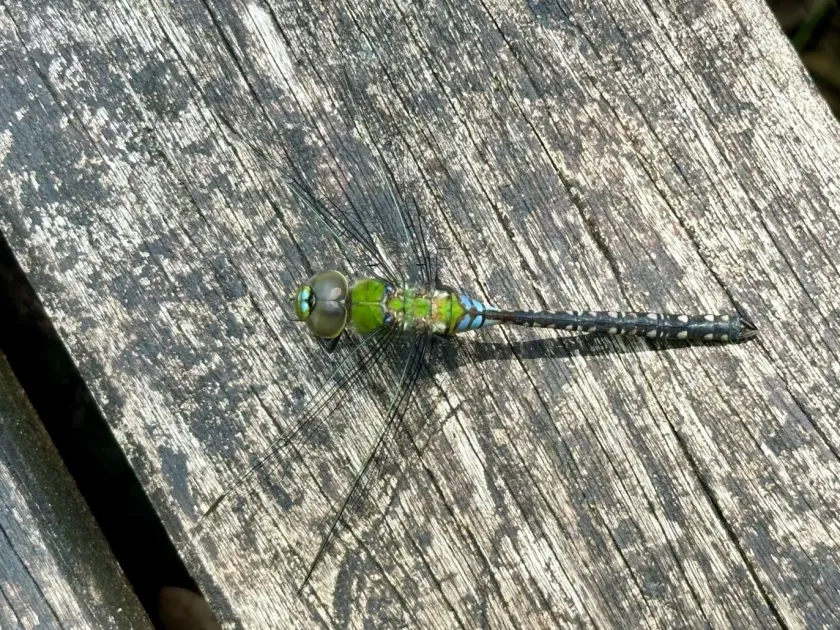
The Lesser Blue Emperor (Anax guttatus) is a large and striking species of dragonfly belonging to the Aeshnidae family. With a wingspan often exceeding 100 millimeters, it is one of the most prominent insects found in tropical and subtropical regions across Asia and the Pacific.
Adults are easily recognizable by their robust bodies and distinctive color patterns. The thorax is generally greenish, while the abdomen is marked with blue and yellow spots, which serve as visual indicators of the insect's maturity and sex.
Their flight is strong and purposeful, often characterized by long patrols over ponds, irrigation channels, and rice paddies. The large, meeting compound eyes provide a vast field of vision, allowing them to spot prey from considerable distances while remaining highly alert to potential threats.
Nymphs are strictly aquatic and act as fierce predators in their respective ecosystems. They inhabit stagnant or slow-moving waters, where they feed on a variety of small organisms, including other aquatic larvae, tadpoles, and sometimes even small fish.
The morphology of the larvae is well-adapted to aquatic life, featuring a specialized labium or mask that can be rapidly extended to seize unsuspecting prey. This developmental stage is crucial for the overall survival of the species as they accumulate nutrients for metamorphosis.
What it damages
From an agricultural standpoint, Anax guttatus is not a pest. On the contrary, it serves as a beneficial predator, actively reducing populations of various flying insects, including mosquitoes, flies, and moths that could otherwise damage crops or pose health risks to workers.
The only context in which they might be perceived negatively is within commercial aquaculture. In intensive fish or shrimp farming ponds, large densities of dragonfly nymphs can prey upon the fingerlings, potentially impacting overall yield if left unmanaged.
Adult dragonflies do not consume plant materials and therefore cause no direct damage to crops. Their presence in agricultural fields is largely seen as a bio-indicator of water quality and ecosystem health, as they are sensitive to excessive chemical pollution.
In rice cultivation, these insects are welcomed as natural allies. By suppressing populations of rice-feeding insects, they contribute to the biological regulation of the fields, reducing the need for chemical insecticides which can be harmful to biodiversity.
Therefore, any perceived damage is purely economic in specific niche industries rather than a general agronomic concern. Their role as apex predators in the insect world makes them an integral part of sustainable farming practices.
When it appears
The activity of the Lesser Blue Emperor is heavily dependent on thermal conditions and the availability of suitable breeding sites. In tropical climates, they can be found active throughout the year, with peaks coinciding with the rainy seasons.
The lifecycle begins with egg-laying, where the female inserts eggs into the tissues of aquatic plants. This ensures the eggs remain submerged and protected from predators while they develop into the next stage of the life cycle.
The nymphal stage lasts for several months, during which the larvae go through multiple molts. This growth period is highly influenced by the water temperature and the abundance of food, which determines the rate of development toward the final emergence.
Emergence, the process where the nymph transforms into a flying adult, typically occurs at night or early morning. This is a vulnerable phase in their life as they wait for their wings to harden and dry before taking their first flight.
During winter or cooler months, the growth rate of nymphs slows down significantly, and they may enter a state of dormancy, staying near the bottom of water bodies where temperatures are more stable until the return of warmer conditions.
Control measures
No formal control measures are required or recommended for this species. Given their positive contribution to pest management, farmers are encouraged to protect the habitats that support dragonfly populations, such as natural pond edges and irrigation banks.
If population control is necessary in specific aquaculture facilities, physical management is preferred over chemical interventions. This includes mechanical cleaning of weed growth in ponds to limit egg-laying spots and installing screens to protect vulnerable fish fry.
Maintaining high water quality is another essential practice. Dragonflies are sensitive to heavy pesticide use, and by minimizing chemical runoff from fields, growers can ensure that beneficial insects thrive and help manage pest populations naturally.
Integrated Pest Management (IPM) strategies actively discourage the indiscriminate use of insecticides that might impact dragonfly nymphs. Protecting these predators helps maintain a stable agro-ecosystem balance, where natural prey-predator dynamics prevent major outbreaks of crop pests.
In summary, the Lesser Blue Emperor should be considered a natural asset rather than a threat. Promoting a healthy environment that sustains these dragonflies is a key component of ecologically responsible and sustainable agricultural management.
Taxonomy
- Latin name
- Anax guttatus
- Family
- Aeshnidae
- EPPO code
- ANXXGU
Discussion
No discussions yet — be the first.