
Xylaria mali
Xylaria mali
Xylaria mali is an ascomycete fungus belonging to the family Xylariaceae. It is recognized as a significant pathogen that attacks the woody tissues of apple trees and other rosaceous plants.
What the section contains
Xylaria mali
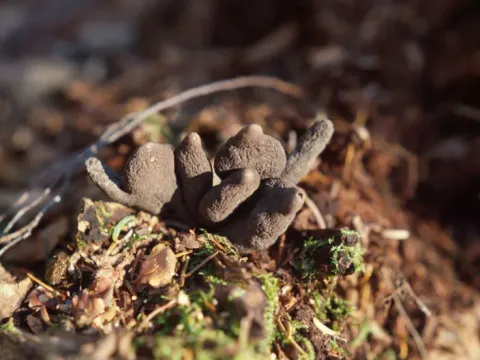
The fungus is most easily identified by its distinctive fruiting bodies (stromata), which appear as black, club-shaped, or cylindrical protrusions. These structures resemble charred wood or blackened twigs.
The surface of the young stromata is often coated with a white or greyish conidial layer, which is the asexual spore-producing stage. As the fungus matures, this layer disappears, leaving a hard, black, and wrinkled surface.
Internally, the fruiting bodies are firm and white. The fungus is a member of the Xylariales order and is known for its ability to persist as a saprotroph in dead wood.
Field identification is relatively straightforward due to the unique morphological characteristics of the stromata emerging from the host's bark or base.
The primary host for Xylaria mali is the apple tree (Malus domestica). The pathogen can also be found on other related woody plants within the Rosaceae family.
The fungus induces white rot in the wood. It gains entry through wounds, pruning cuts, or damage caused by environmental stress, slowly decomposing lignin and cellulose.
Root and crown infections are particularly destructive, as they impair the tree's vascular system, leading to systemic weakness and eventual tree decline.
By compromising the structural integrity of the trunk and roots, the fungus increases the risk of trees falling or breaking during high winds or heavy cropping years.
This pathogen is often considered a stress-related or secondary parasite, colonizing trees that are already weakened by adverse growing conditions.
The activity of Xylaria mali is highly dependent on environmental moisture. Sporulation and the development of fruiting bodies typically occur during spring and summer.
Wind and rain splashes are the primary mechanisms for the dispersal of spores, which seek out new infection sites on the bark of susceptible trees.
Infection can occur throughout the growing season, provided that humidity levels are sufficient to maintain the viability of the fungal spores and mycelium.
The fungus overwinters within the infected wood, remaining dormant until conditions become favorable again in the spring.
Orchards with poor air circulation and high moisture accumulation on the trunks are significantly more vulnerable to the establishment of this pathogen.
Initial symptoms are often subtle, including premature yellowing of foliage and general loss of vigor. These signs may be mistaken for other soil-borne diseases.
The most reliable sign of infection is the appearance of black, club-like stromata at the base of the trunk or on major roots. These bodies are unmistakable once they emerge.
Cracking or loosening of the bark at the infection site is common. Beneath the bark, white, sheet-like mycelial fans may be visible upon closer inspection.
As the rot progresses, the inner wood becomes soft, discolored, and lightened, showing classic symptoms of white rot decay.
- Black, club-shaped fungal fruiting bodies.
- Premature leaf drop and crown thinning.
- White mycelial growth beneath the bark.
- Cracks and lesions on the lower trunk.
Cultural management is the primary defense against Xylaria mali. Preventing mechanical injuries to the trunk during cultivation and harvest is essential.
All pruning wounds should be treated with appropriate sealants or wound dressing to provide a physical barrier against spore infection.
Infected trees should be removed, including as much of the root system as possible, and destroyed by burning to eliminate the primary inoculum source.
Improving general tree health through balanced fertilization and proper water management helps the tree resist fungal colonization.
Early detection and surgical removal of localized infected areas, combined with copper-based fungicidal treatments, may help extend the life of slightly affected trees.