
Wound tumor virus
Wound tumor
Description
How to identify
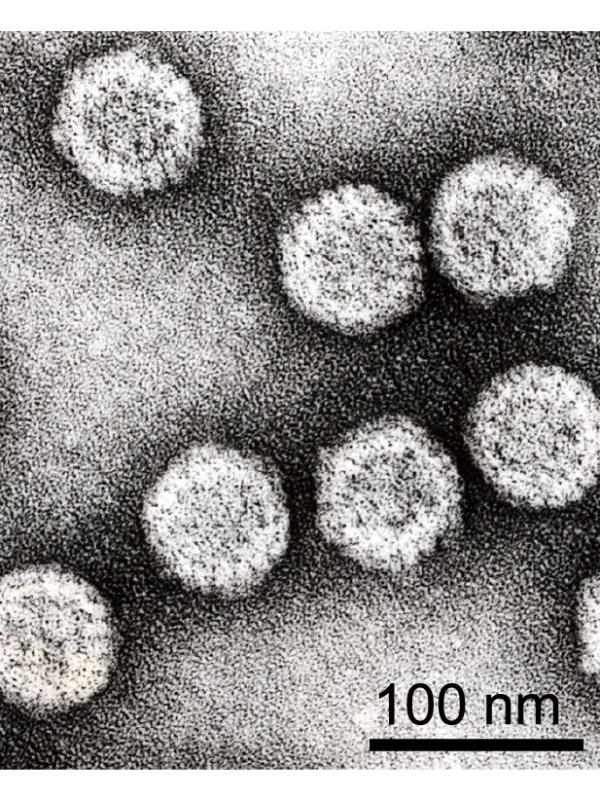
Wound tumor virus (WTV) is a plant pathogen that belongs to the Reoviridae family and the Phytoreovirus genus. It is characterized by a double-stranded RNA genome and icosahedral virion structure.
The virus is a systemic pathogen that cannot be transmitted mechanically through sap or seeds. Its natural transmission is strictly biological, mediated by specific insect vectors.
The primary vector for this virus is the leafhopper Agallia constricta, in which the virus replicates, making it a persistent and propagative relationship.
The virus shows a unique biological affinity for dividing plant cells, which explains why tumor formation occurs predominantly at wound sites or areas of active tissue regeneration.
Modern diagnostics of WTV involve sophisticated laboratory techniques such as PCR and ELISA to distinguish it from other pathogens that cause similar proliferation symptoms.
What it damages
WTV infects a broad host range of agricultural and wild plants, particularly those within the Asteraceae, Polygonaceae, Brassicaceae, and Solanaceae families.
Significant economic impact is observed in crops such as clover and maize, as well as various ornamental species, where tumorous growth disrupts plant development.
The infection alters the plant's hormonal signaling, leading to abnormal cell division and the disruption of normal tissue differentiation.
Tumors forming on roots and stems interfere with the vascular system, restricting the translocation of water and essential nutrients throughout the plant.
This disruption results in stunting, chlorosis, and a severe reduction in biomass production, significantly lowering the overall yield of the crop.
Signs of infestation
The most distinctive symptom is the development of tumorous growths on roots, stems, and leaf petioles, often triggered by mechanical injury.
These tumors range from small, wart-like protrusions to large, firm masses of undifferentiated cells that resemble callus tissue.
The plant growth architecture is usually compromised, leading to an overall stunted appearance and malformed organ development compared to healthy controls.
In advanced stages of infection, the internal tissues of the tumors may undergo necrosis, potentially leading to a decline in plant health and increased susceptibility to other pathogens.
Symptoms are often systemic, meaning that once the virus is introduced into the plant via the vector, it moves throughout the vascular system, causing symptoms in distant parts.
Control measures
Control of Wound tumor virus primarily focuses on managing the population of leafhopper vectors, which is essential for limiting the spread of the disease.
Implementing rigorous weed management programs is critical, as many common weeds serve as symptomless reservoirs for the virus during the off-season.
The use of systemic insecticides can significantly reduce vector density in fields, thereby lowering the probability of initial viral infection.
Spatial isolation between sensitive crop fields and wild host patches helps reduce the influx of viruliferous insects into agricultural areas.
Breeding and selecting for resistant cultivars remains the most sustainable and effective long-term strategy for managing the virus in high-risk regions.
Causes diseases · 1
Discussion
No discussions yet — be the first.