
Trichoderma
Trichoderma
The genus Trichoderma is classified within the kingdom Fungi, phylum Ascomycota. While often used as a beneficial bio-agent, some specific species act as aggressive plant pathogens.
What the section contains
Trichoderma
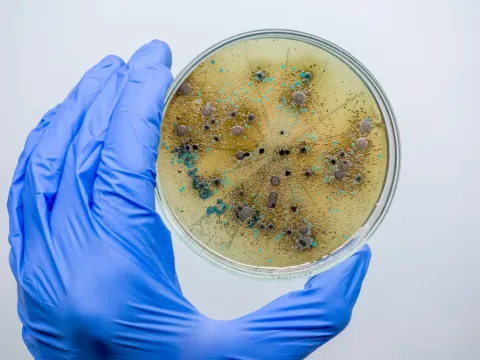
The fungus is characterized by the production of mycelium that eventually forms dense, cushion-like sporulating structures. These structures typically change color from white to distinct green shades.
Microscopic identification reveals branched conidiophores with clusters of phialides. Because many species are morphologically similar, precise identification often requires molecular testing like PCR.
Unlike benign strains, pathogenic Trichoderma species possess a highly developed enzymatic system that allows them to parasitize other fungi and host plant tissues effectively.
Growth is favored by high relative humidity (above 80%) and temperatures between 18°C and 25°C, making greenhouses a particularly vulnerable environment.
Pathogenic species affect a wide range of crops, including vegetables and ornamentals, but they are particularly notorious for causing "green mold" in mushroom production.
In field and greenhouse crops, the fungus targets the root system, causing severe rot that inhibits nutrient uptake and leads to stunted growth or plant wilting.
Seed-borne infection is common, often resulting in seed decay before germination, which necessitates reseeding and causes economic losses.
The fungus secretes cellulases and other hydrolases that actively break down plant cell walls, turning the infected tissue into a decayed, mushy mass.
Once established, the pathogen spreads rapidly via airborne spores or contaminated tools, making large-scale control difficult if not addressed early.
Pathogen activity is highest during periods of prolonged humidity or excessive irrigation, which create a perfect microclimate for sporulation.
In greenhouse operations, the risk of infection peaks when ventilation is poor and relative humidity remains consistently elevated.
Spores are easily dispersed by drafts, water splashes, handling of contaminated tools, or the movement of personnel within a production facility.
The fungus can overwinter in soil or contaminated organic matter in the form of dormant spores, waiting for favorable moisture conditions to emerge.
Repeated planting of susceptible crops without rotation allows the pathogen to build up high levels of inoculum in the soil, leading to recurring disease cycles.
The most prominent sign is the appearance of fluffy, white fungal growth that rapidly transitions to a bright green or olive-colored powdery surface.
A distinctive, pungent, or musty odor is often associated with a severe Trichoderma infection, especially in confined spaces or damp substrate.
Affected plant parts exhibit tissue softening and necrosis, with roots often becoming discolored and brittle under the pressure of enzymatic digestion.
In nursery settings, a sudden damping-off of seedlings is frequently accompanied by visible green patches forming on the potting medium surface.
- Stunted plant height and chlorosis.
- Soft, rotting root systems with visible green mycelium.
- Rapid collapse of the seedling stem at the soil line.
Strict sanitation protocols are the first line of defense; this includes the thorough disinfection of tools, pots, and greenhouse surfaces with appropriate fungicides.
Maintaining optimal airflow and reducing relative humidity levels are critical cultural practices to suppress the pathogen's development.
Ensure the use of pathogen-free growing media and certified planting material to prevent the introduction of the fungus into the production system.
Infected plants should be immediately removed and destroyed along with their root zones to prevent secondary spore dispersal to healthy neighbors.
Chemical control involving fungicides may be utilized as a preventative measure or at the very first sign of an outbreak to limit spread.