
Soybean dwarf virus
Soybean dwarf
Soybean dwarf virus (SbDV) is a plant virus belonging to the Luteoviridae family and the Polerovirus genus. It is a single-stranded RNA virus that primarily infects leguminous plants.
What the section contains
Soybean dwarf virus
The virus is an obligate parasite and cannot be transmitted mechanically or through seeds. Its primary method of spread is through insect vectors, specifically certain aphid species like Aulacorthum solani.
The virus exhibits a persistent, circulative mode of transmission within the aphid vector, meaning once an aphid acquires the virus, it remains infectious for the remainder of its life.
In the field, the virus persists in perennial legumes and weed hosts that act as overwintering reservoirs, allowing the pathogen to survive when soybeans are not actively growing.
Accurate identification is typically performed in laboratories using serological tests such as ELISA or molecular techniques like RT-PCR to detect the presence of viral RNA.
Soybean (Glycine max) is the most economically significant host for this virus, though it also affects other legumes such as clover and vetch.
The economic impact of SbDV is significant, as infected plants show severe stunting, which leads to substantial reductions in seed yield, often exceeding 50% in severe cases.
Infection during early developmental stages prevents the plant from reaching its full physiological potential, causing widespread field patches of stunted, unproductive plants.
Grain quality is negatively affected, resulting in shriveled seeds, lower seed weight, and reduced germination rates, which compromises the quality of future harvests.
The overall productivity of the soybean canopy is diminished, as the plants fail to develop appropriate vegetative mass, making the crop more susceptible to other stressors.
Disease outbreaks occur primarily during the growing season when aphid populations are at their peak, typically in late spring and early summer.
Weather patterns that promote aphid reproduction, such as mild temperatures and high humidity, significantly accelerate the spread of the virus within the field.
The incubation period after the initial inoculation by aphids usually ranges from one to two weeks, after which the characteristic symptoms begin to manifest on younger leaves.
The virus spreads in an expanding pattern from initial infection points, often following the movement of aphids across the field as they feed on new plant material.
As the season progresses toward autumn, the disease cycle slows down as host plants mature and aphid activity decreases, with the virus retreating into perennial reservoirs.
The most prominent symptom is stunting, where internode length is severely reduced, causing the entire plant to appear dwarfed compared to healthy ones.
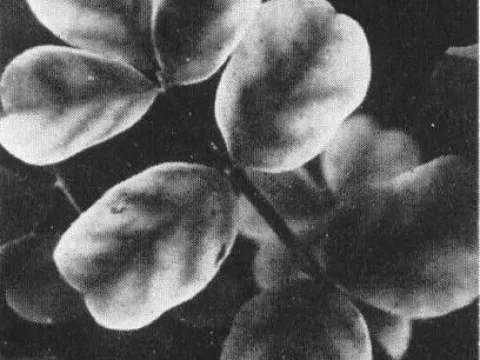
Leaves often display dark green discoloration or interveinal yellowing, sometimes with reddish tints, and tend to become thickened and curled at the margins.
Reproductive development is severely hampered, characterized by malformed, stunted pods that often contain few or no viable seeds.
The plants take on a compact, bushy appearance due to the extreme reduction in vertical growth, making them easily distinguishable from healthy crop plants.
- Extreme plant stunting
- Dark green or chlorotic leaf discoloration
- Leaf thickening and curling
- Malformed, stunted pods
- Reduced seed set or complete sterility
The primary control strategy involves managing aphid populations using systemic insecticides to prevent the introduction and transmission of the virus into the field.
Implementing spatial isolation between soybean fields and perennial legume reservoirs (like clover fields) is crucial for reducing the initial inoculum source.
Crop rotation practices should be employed to reduce the buildup of the virus and the prevalence of host plants that serve as breeding grounds for aphid vectors.
The use of resistant or tolerant soybean cultivars is the most sustainable management practice, as it provides protection without reliance on frequent pesticide applications.
Regular field scouting and monitoring for aphid presence allow growers to make informed decisions about intervention, helping to contain outbreaks before they become widespread.