
Soybean mosaic virus
Indonesian soybean
Soybean mosaic virus (SMV) is a plant pathogenic virus in the genus Potyvirus, family Potyviridae, affecting soybean crops globally.
What the section contains
Soybean mosaic virus
The virus particles are flexuous, filamentous, and contain a single-stranded RNA genome, which facilitates rapid replication within host tissues.
SMV is primarily seed-borne, allowing it to survive during dormant periods and infect new fields during the planting season.
Over 30 species of aphids can transmit the virus in a non-persistent manner, picking it up during brief probing on infected leaves.
The efficiency of transmission is influenced by aphid population density and the proximity of potential host plants to the field.
The main host for this pathogen is Glycine max (soybean), causing systemic infection and significant agricultural losses.
The virus infects all plant tissues, disrupting metabolic pathways and causing substantial stress to the growing crop.
Yield reduction is caused by both lower plant vigor and the production of a high percentage of small, discolored, or malformed seeds.
Seed quality is severely compromised, often exhibiting discoloration around the hilum, which lowers the commercial grade of the harvest.
The economic impact involves both lower seed yield and reduced nutritional quality, affecting oil and protein content.
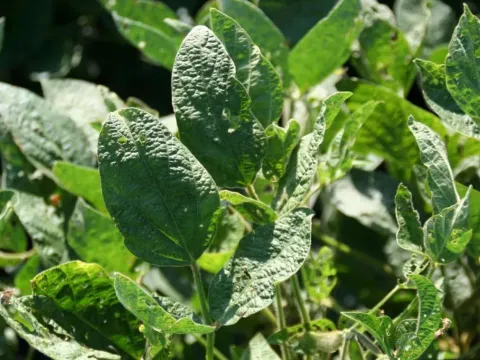
The most diagnostic symptoms include mosaic patterns of light and dark green on the leaflets, accompanied by puckering and crinkling of the leaf surface.
Infected plants frequently display severe stunting, reduced internode length, and a bushier appearance compared to healthy plants.
Some soybean cultivars may show necrotic lesions, leaf vein necrosis, or downward curling of leaf margins during severe infection.
Plants derived from infected seeds may exhibit deformed cotyledons and early onset of mosaic symptoms as they emerge.
Pod development is often delayed, leading to fewer pods per plant and a reduced number of seeds per pod, which are often small and shriveled.
The primary control strategy is the utilization of certified, pathogen-free seed stock to prevent primary infection in the field.
Cultural practices such as weed management are crucial, as many wild legumes serve as alternative reservoirs for the virus.
While insecticide applications can reduce aphid populations, they are often ineffective at preventing the non-persistent transmission of SMV.
Breeding and planting soybean varieties with genetic resistance to specific virus strains remains the most effective long-term management solution.
Implementing proper field spacing and avoiding planting new fields adjacent to current or recently harvested soybean crops helps minimize virus spread.