
Rice blast
Pyricularia oryzae
Rice blast is a fungal disease caused by the ascomycete fungus Magnaporthe oryzae (anamorph Pyricularia oryzae). It is considered the most serious disease affecting rice production worldwide.
What the section contains
Rice blast
The fungus reproduces via conidia, which are dispersed by wind, splashing rain, or irrigation water. The pathogen gains entry into plant tissues either through stomata or by directly penetrating the epidermis using a specialized infection structure called an appressorium.
The fungus persists in infested crop residues, infected seeds, and alternative grass hosts during the off-season. Under favorable conditions, the pathogen can produce multiple generations of spores within a single growing season.
High relative humidity (above 90%) and temperatures between 25°C and 28°C are optimal for the germination of conidia. Frequent dew and misty conditions significantly promote the spread of the disease.
Rice plants can be infected at any growth stage, from seedling to maturity, making it a persistent threat to rice cultivation throughout the entire crop cycle.
The primary host for the pathogen is Oryza sativa (rice). Additionally, various wild grass species can serve as reservoirs for the fungus, allowing it to survive in the environment when rice is not being grown.
The disease affects all aerial parts of the plant, including leaves, leaf sheaths, stems, and panicle nodes. The most severe form, often called neck blast, occurs when the panicle neck is infected, resulting in empty or shriveled grains.
The infection interferes with photosynthesis and the translocation of nutrients to the grain, leading to a significant reduction in both yield and grain quality. Affected plants are often stunted and yield poorly.
Early-stage infection can lead to seedling death, resulting in thin plant stands and the potential need for reseeding. Stem infections often lead to lodging, which complicates harvesting and further reduces crop output.
Yield losses can vary widely depending on the variety and environmental conditions, but in severe cases, epidemics can destroy up to 80% or more of the potential harvest.
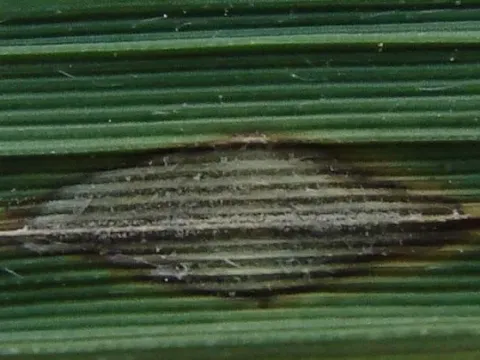
Leaf lesions typically appear as diamond- or spindle-shaped spots with gray-white centers and dark brown margins. A yellowish halo is often visible around the lesion during active disease progression.
Nodes become blackened and rotted in the case of nodal blast. This destruction of tissue often causes the stem to snap or break, leading to lodging of the affected rice tillers.
Panicle symptoms include brown or black discolorations on the panicle branches and the panicle neck. The infected tissue dries up, and the grain above the point of infection remains unfilled or underdeveloped.
In humid weather, a characteristic olive-gray fungal growth consisting of conidiophores and conidia can be observed on the lesions. This mass of spores is a key indicator and source of secondary spread.
- Spindle-shaped spots on leaves.
- Blackened and brittle stem nodes.
- Lodging of rice plants.
- Panicle blast resulting in empty grains.
- Olive-gray fungal sporulation on infected tissues.
The most effective long-term strategy is the cultivation of blast-resistant rice varieties. Continued breeding efforts aim to introduce resistance genes to combat evolving strains of the fungus.
Good agronomic practices are essential, such as managing nitrogen levels (excessive nitrogen promotes lush, susceptible growth), maintaining proper water levels in paddies, and choosing optimal planting times.
Chemical control involving the timely application of fungicides, such as strobilurins and triazoles, is critical when environmental conditions favor disease development, particularly during the heading stage.
Seed treatment is a fundamental preventive measure, ensuring that the initial source of inoculum is minimized and protecting the crop during the vulnerable seedling stage.
Integrated pest management (IPM) requires regular scouting of fields to detect early symptoms, allowing for precise and efficient fungicide interventions to prevent widespread epidemics.