
Phymatotrichopsis root rot
Phymatotrichum omnivorum
The causative agent of Phymatotrichopsis root rot is the soil-borne fungus Phymatotrichum omnivorum (also known as Phymatotrichopsis omnivora). It belongs to the kingdom Fungi and is one of the most destructive plant pathogens in the world.
What the section contains
Phymatotrichopsis root rot
The fungus does not produce conidia and survives in the soil primarily through dark, sclerotia-like structures. These can remain viable at depths of up to several meters for many years, making eradication extremely difficult.
Systematically, it is classified within the class Agaricomycetes. It is highly specialized in colonizing the roots of dicotyledonous plants, leading to a rapid collapse of the host's vascular system.
The pathogen forms dense, branched mycelial strands that efficiently penetrate root tissues. These strands are essential for the fungus to spread through the soil and infect adjacent plants by physical contact.
Its high adaptability to hot and alkaline soil conditions allows it to thrive in regions where other soil-borne diseases might fail. This robustness makes it a persistent challenge for agricultural production.
This pathogen causes severe losses in various crops, most notably cotton, alfalfa, grapes, and various fruit and nut trees. In highly susceptible fields, the mortality rate of the crop can reach one hundred percent.
The fungus attacks the root system, destroying the cortex and causing the roots to decay into a soft, mushy mass. This damage completely cuts off the supply of water and nutrients to the plant.
In orchards and vineyards, the disease creates "dead zones" that expand annually. Infected trees often die rapidly, forcing growers to remove entire sections of their plantations to prevent further spread.
Cotton crops are particularly vulnerable, as the pathogen can destroy entire fields within a short period during the peak of the growing season, resulting in devastating economic losses for farmers.
The soil remains infested for long periods, preventing the replanting of susceptible crops. This long-term persistence necessitates strict field management and often forces changes in land use.
The pathogen is most active during the hot summer months. Optimal growth for the fungus occurs when soil temperatures reach between 25 and 30 degrees Celsius, which often coincides with the mid-growth stages of many crops.
Spring rains play a critical role in activating the sclerotia, allowing the mycelium to begin its growth phase. As the soil warms, the mycelium spreads rapidly from infected debris or sclerotia.
During the peak of summer, increased transpiration demand by the plants makes them more susceptible to the symptoms of root rot. When the roots are damaged, they can no longer meet the plant's water needs, leading to sudden wilt.
Autumn brings cooler temperatures, which slow down the metabolic activity of the fungus. It then transitions back into its dormant state, reinforcing its structures to survive the winter months underground.
The disease cycle is heavily influenced by soil moisture levels; however, it is the temperature threshold that primarily dictates the severity of the infection during the growing season.
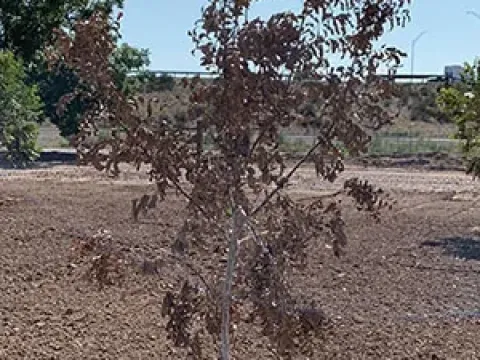
The most prominent symptom is the sudden wilting of the plant. The leaves may turn yellow or bronze and eventually turn brown, yet they often remain attached to the stem, which is a classic indicator of this disease.
Close inspection of the root system reveals a distinct tan to bronze-colored mycelial mat covering the roots. This fungal "web" is a reliable diagnostic feature of Phymatotrichum infection.
The bark of the root is easily sloughed off, and the underlying wood often exhibits necrotic lesions. The vascular bundles become clogged, effectively starving the plant of vital resources.
On the soil surface, particularly in moist conditions, spider-web-like fungal strands may be visible near the base of the stems, especially in areas where plants have recently succumbed to the disease.
The plants are easily pulled from the ground because their lateral roots have been almost entirely decomposed, demonstrating the severity of the tissue destruction caused by the pathogen.
Crop rotation using non-susceptible species, such as monocots like corn or sorghum, is the most effective cultural practice to manage the pathogen population in the soil.
Deep tillage may help disrupt the mycelial network and delay the spread of the disease, although it does not completely eliminate the dormant sclerotia present in the deep soil profiles.
Amending the soil with organic matter to improve soil health and increase the population of beneficial microbes can sometimes suppress the pathogen, though results can vary by soil type.
Quarantine measures are essential to prevent the spread of the fungus to non-infested fields. Ensuring that machinery is thoroughly cleaned before moving from infected areas to clean ones is a critical practice.
While chemical fungicides are available, their use is often limited by high costs and environmental concerns, making integrated management strategies the primary focus for long-term control.