
Physalospora canker
Physalospora piricola
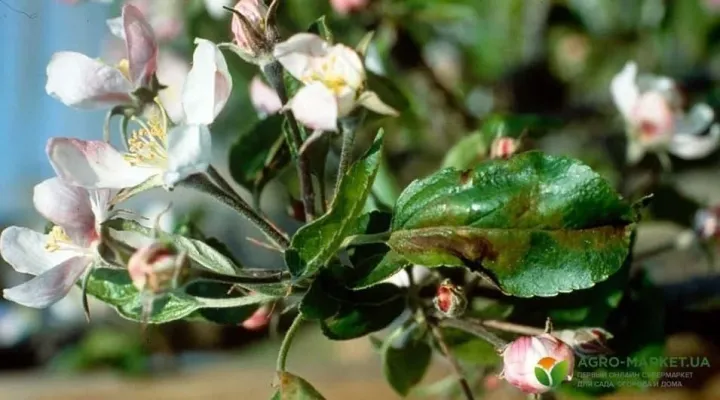
Description
How to identify
Physalospora canker is caused by the fungus Physalospora piricola (synonym Botryosphaeria berengeriana), a member of the Ascomycota division. It is a significant phytopathogen affecting pome fruits, primarily apples and pears, worldwide.
The fungus acts as a facultative parasite, surviving in dead bark, cankered wood, and mummified fruits. It typically infects trees through wounds, such as pruning cuts, hail damage, or frost cracks in the bark.
The life cycle involves the production of pycnidia—small, black, flask-shaped structures embedded in the bark. These release conidia (spores) that spread via wind-blown rain and insect movement during the growing season.
The fungal mycelium colonizes the cambium layer, disrupting the tree's vascular system. The infection rate is highly dependent on environmental factors, particularly humidity levels and temperature, with 20–25°C being the optimal range for mycelial growth.
If the tree is stressed by drought, poor soil management, or previous damage, the fungus can rapidly expand within the wood, leading to severe branch dieback.
What it damages
The primary damage caused by Physalospora piricola is the formation of cankers on trunks and major limbs. This restricts the flow of water and nutrients, leading to the starvation and eventual death of the affected branches.
Fruit rot is another critical symptom, where the infection manifests as dark, sunken lesions. These fruits often remain attached as mummies, serving as a persistent reservoir of inoculum for subsequent seasons.
In orchards with high infection pressure, yield losses can be substantial, as the cumulative effect of cankers weakens the tree's vigor and reduces its productive lifespan.
The economic impact includes not only fruit loss but also the high labor and material costs associated with surgery on infected wood, fungicide treatments, and tree removal.
Trees weakened by winter injury or poor pruning practices are particularly susceptible, making this disease a major concern in regions with fluctuating spring temperatures.
Signs of infestation
The first external sign is the appearance of small, reddish-brown spots on the bark that gradually darken and become sunken as the underlying tissue dies.
As the disease progresses, the bark around the lesion may crack, and the infected area expands into a distinct, elongated canker. The edges of the canker often develop callus tissue in an attempt to contain the infection.
Small, pinhead-sized black pycnidia (fruiting bodies) break through the surface of the infected bark. These are often visible to the naked eye, especially after wet weather when they release spore masses.
Leaves on infected limbs may show signs of chlorosis or wilting due to the restricted nutrient transport caused by the stem canker, ultimately leading to early senescence.
Fruit symptoms typically appear as circular, dark, firm rot spots. Over time, these spots can enlarge to cover the entire fruit, which may eventually harden and blacken into a mummy.
Control measures
Sanitation is the most effective management tool. All dead wood and cankered branches should be pruned out and burned immediately to reduce the amount of inoculum available in the orchard.
Wounds should be protected using appropriate wound dressings or fungicidal pastes. Ensuring trees are not under nutritional stress is crucial, as healthy trees can naturally contain minor infections.
Chemical control focuses on timely fungicide applications, particularly during the dormant season and early spring, to prevent the germination of conidia on susceptible bark surfaces.
Protecting the trunks from sunscald (using white latex paint) is a fundamental preventative measure, as sunscald provides an entry point for the fungus to establish infection.
- Regular monitoring of the orchard for bark abnormalities.
- Sterilizing pruning tools with alcohol or bleach between trees.
- Removing and destroying all mummified fruits from trees and the ground.
- Balancing fertilization to avoid excessive, succulent growth.
- Applying copper-based sprays during the dormant season.
Causes diseases · 4
Discussion
No discussions yet — be the first.