
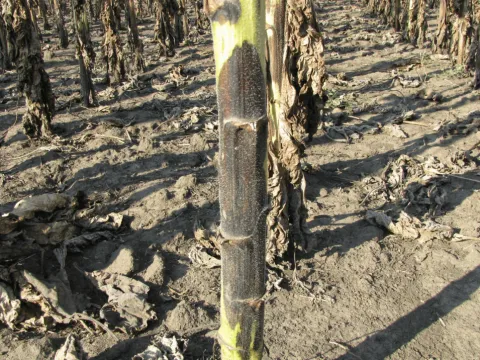
Phoma glume blotch
Phoma glumicola
Phoma glume blotch, caused by the fungus Phoma glumicola, is a plant pathogen belonging to the class of Coelomycetes. It is characterized by the production of pycnidia, which are asexual fruiting bodies that house and disperse conidia, the primary spores responsible for spreading the disease within fields.
What the section contains
Phoma glume blotch
Systematically, the genus Phoma is recognized for its diverse species capable of infecting various plant parts. In the context of cereals, Phoma glumicola is specifically adapted to inhabit the glumes and floral tissues, acting as a parasite that exploits the reproductive structures of the host.
The host range of Phoma glumicola primarily includes small grain cereals such as wheat and barley. The pathogen targets the spikelets, causing necrotic lesions that disrupt the physiological development of the grain during the maturation phase.
The economic damage is linked to reduced grain weight and poor seed quality. Beyond the direct impact on yield, the damage to the glumes facilitates the entry of secondary saprophytic fungi, which can further degrade the quality of the harvested grain and affect its market value.
The development of the fungus is highly dependent on environmental conditions, particularly moisture availability during the flowering and grain-filling stages. Rainfall and high humidity are essential for the release of spores from the pycnidia and their subsequent infection of neighboring tissues.
The pathogen survives between cropping seasons as mycelium or pycnidia on infected crop debris. When conditions become favorable in the spring, the fungus reactivates, and the dispersed spores initiate a new cycle of infection on the newly developing cereal spikes.
Early symptoms appear as small discolored, light-brown spots or streaks on the glumes. As the infection progresses, these lesions expand and can cover a significant portion of the glume, leading to necrotic patches that interfere with the plant's photosynthetic capacity in the spike.
Diagnosis is confirmed by the presence of numerous small, black, dot-like structures embedded in the tissue; these are the pycnidia. Under humid conditions, these pycnidia may ooze spore masses, which is a definitive characteristic identifying the presence of this specific fungal pathogen.
Integrated pest management strategies are essential to minimize the impact of Phoma glumicola. The primary focus is on cultural practices that break the disease cycle and reduce the volume of inoculum present in the environment.
- Crop rotation with non-host species to reduce inoculum buildup.
- Thorough tillage to incorporate and decompose infected crop residue.
- Application of foliar fungicides during the heading stage if environmental conditions favor disease development.
- Use of resistant or tolerant cultivars to minimize susceptibility to infection.