
Phialophora cinerescens
Phialophora cinerescens
Phialophora cinerescens is a soil-borne fungal pathogen belonging to the Ascomycota division. It is a highly specialized parasite that specifically attacks the vascular system of plants, primarily affecting various species of the Caryophyllaceae family.
What the section contains
Phialophora cinerescens
The fungus colonizes the xylem vessels, where it produces mycelium and secretes toxic metabolites. These toxins, combined with the physical blockage of the vascular tissue, disrupt water and nutrient transport, leading to the typical wilting symptoms associated with this pathogen.
This pathogen is characterized by its ability to persist in the soil for many years. It survives through the formation of chlamydospores or as dormant mycelium in decaying plant debris, making it a persistent threat in cultivation areas.
The spread of the fungus occurs mainly through contaminated soil, irrigation water, infected cuttings, and agricultural tools. Even small particles of infested soil moved by equipment can lead to the establishment of new infection centers.
In laboratory culture, the fungus grows as greyish, ash-colored colonies. It produces spores on specialized structures called phialides. Under high humidity, these spores can be disseminated easily, furthering the contamination of the growing environment.
The most important host for Phialophora cinerescens is the carnation (Dianthus caryophyllus). It is considered one of the most destructive diseases in commercial carnation production, especially in greenhouse conditions.
The damage caused by the fungus is systemic and lethal. Once a plant is infected, it cannot be cured, and it becomes a source of inoculum for neighboring plants, leading to rapid disease progression throughout the planting beds.
Economic losses can be severe, reaching up to total crop failure if management practices are insufficient. The investment lost due to plant removal, soil disinfection, and loss of production capacity is substantial.
While carnation is the primary host, research has indicated that the pathogen may impact other related species. This broadens the risk profile and necessitates strict hygiene protocols for all plants within the same botanical family.
The systemic nature of the infection means that once symptoms appear, the plant's vascular system is already heavily compromised. This makes the pathogen a significant constraint on the longevity and profitability of long-term floral plantings.
The first symptoms of infection include chlorosis (yellowing) of the leaves, which often begins on one side of the plant. This localized yellowing is a characteristic sign of vascular interference caused by the fungal mycelium.
As the disease progresses, the plants lose turgor and exhibit rapid wilting, even if the soil remains moist. The leaves eventually dry out and turn brown, while the stem remains intact for a period before succumbing.
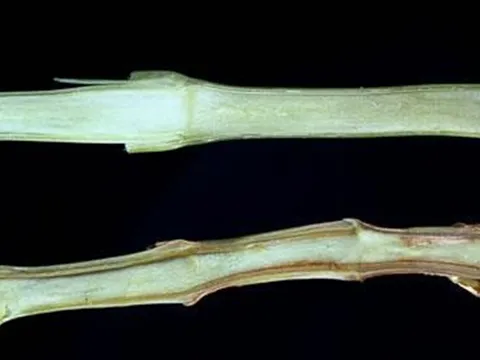
A hallmark of Phialophora wilt is the vascular browning visible upon cross-sectioning of the stem or root. This discoloration is caused by the occlusion of the xylem vessels and the host's defense responses to the pathogen.
In advanced stages, the base of the stem may show greyish discoloration. Roots are typically poorly developed or show signs of rot, making the plants easy to pull from the soil compared to healthy specimens.
The progression of the disease is generally fast under the warm, humid conditions of a greenhouse. If not managed immediately, the disease spreads rapidly along the rows, facilitated by water runoff and shared tools.
Integrated pest management (IPM) is essential for controlling Phialophora cinerescens. The foundation of any control strategy is rigorous phytosanitary practice, starting with the use of certified pathogen-free planting material.
When an infected plant is detected, it must be rogued immediately along with the surrounding soil to prevent further spread. The area should then be treated with approved fungicides or sterilized using steam to eliminate residual inoculum.
Sanitation is paramount. All tools, benches, and footwear must be disinfected regularly. Greenhouse management should focus on avoiding waterlogged soil conditions, as moisture creates a conducive environment for fungal dispersal.
- Implementing long-term crop rotation schemes (a 5–7 year break for carnations).
- Utilizing disease-resistant cultivars or hybrids developed through breeding programs.
- Preventative soil treatments using systemic fungicides before planting.
- Application of biological control agents, such as Trichoderma species, to suppress pathogen populations.
Combining chemical, biological, and cultural methods provides the most robust protection. Continuous monitoring and swift removal of symptomatic plants remain the most effective ways to minimize the impact of this pathogen on production.