
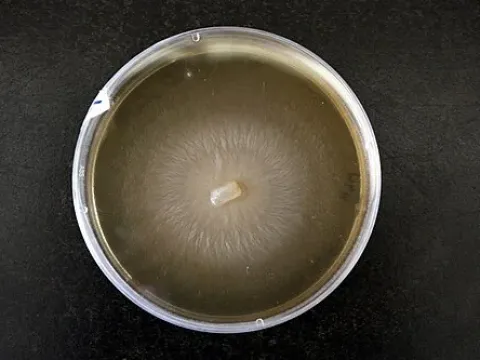
Pesotum ulmi
Pesotum ulmi
Pesotum ulmi is the anamorph (asexual stage) of the fungi Ophiostoma ulmi and Ophiostoma novo-ulmi. This pathogen is the primary cause of Dutch elm disease (DED), a devastating vascular wilt that affects elm trees globally.
What the section contains
Pesotum ulmi
Taxonomically, it belongs to the phylum Ascomycota. The fungus colonizes the xylem vessels of the tree, where it induces a defense response that ultimately leads to the tree's internal water transport failure.
The fungus produces a septate mycelium and specialized conidiophores. These structures generate sticky conidia, which are essential for the transmission of the fungus by bark beetles.
It is an obligate parasite in the living host but can survive in dead wood, making its ecological niche highly adaptive to the lifecycle of its insect vectors.
The transmission of the fungus relies heavily on the feeding behavior of elm bark beetles, which carry the spores from infected trees to healthy hosts.
The primary hosts are species of the genus Ulmus. The infection causes rapid blockage of the vascular system, resulting in severe water stress for the tree.
Once the fungus enters the xylem, the tree responds by producing tyloses and gums to seal off the infection, which ironically exacerbates the blockage of water supply.
The damage is profound, often leading to the death of the entire tree within a single season in the case of acute infection or gradual decline over several years.
Economic and ecological losses are massive, as elm trees were historically a staple in urban landscapes and forests across the Northern Hemisphere.
The widespread mortality caused by Pesotum ulmi has fundamentally altered the forest composition in many affected regions.
The disease cycle is closely tied to the seasonal activity of elm bark beetles, typically starting in late spring when the beetles emerge to feed.
Fungal growth and spread within the tree are most rapid during the warm, humid months of the growing season when the tree's water transport is most active.
The pathogen overwinters within the wood of infected trees, remaining dormant but viable in the vascular tissue until the following spring.
Infection risk peaks when temperature and moisture conditions favor both the beetle's flight and the fungus's colonization of new shoot tissue.
Late-season infections may remain latent until the following spring, at which point the characteristic symptoms of wilting become visible.
The first external symptom is often "flagging," where leaves on individual branches turn yellow, wilt, and curl, appearing conspicuously against the healthy foliage.
Diagnosis is confirmed by inspecting the wood of the wilted branches for internal symptoms of the fungal colonization.
- Brown or black streaking in the sapwood, visible on transverse cuts.
- Discolored annual rings representing seasonal infection events.
- Presence of bark beetle galleries under the bark of dying trees.
- Sudden desiccation of the crown, starting from the upper canopy.
In advanced cases, the entire tree may show signs of rapid necrosis, leading to complete foliage loss and death.
Management of Dutch elm disease is difficult because the pathogen resides deep within the vascular tissue, making it shielded from most fungicides.
Sanitation is the most critical practice: removing and destroying infected trees immediately helps to reduce the local population of vectors.
Protecting healthy elms can involve trunk injections with systemic fungicides, which prevent the fungus from establishing effectively.
Controlling the populations of elm bark beetles through sanitation or the use of pheromone traps can reduce the rate of new infections.
Planting disease-resistant elm cultivars is the most sustainable long-term solution for maintaining the presence of elms in the landscape.