
Pestalotia
Pestalotia
Pestalotia is a genus of ascomycetous fungi known as significant plant pathogens. These fungi are characterized by their ability to produce conidia in structures called acervuli, which emerge through the host plant epidermis during the later stages of infection.
What the section contains
Pestalotia
Microscopic identification of the genus is distinct due to the structure of the spores. The conidia are typically spindle-shaped, multicellular, and often feature small, hyaline appendages at one or both ends, which facilitate their dispersal via water droplets and wind.
This pathogen primarily targets conifers, including species of Thuja, Juniperus, and Chamaecyparis. Additionally, it affects a wide range of ornamental greenhouse plants such as palms, azaleas, camellias, and various orchids.
The fungus invades plant tissues, causing necrosis, wilting, and shoot dieback. In severe cases, particularly in nurseries, it can cause extensive damage to young seedlings, leading to reduced growth, aesthetic decline, and ultimately, the death of the host plant.
Pestalotia thrives in conditions of high humidity and moderate temperatures, typically between 18°C and 25°C. Prolonged wet periods, heavy rainfall, and poor air circulation are the primary drivers of pathogen dispersal and colonization.
The fungus overwinters in infected plant debris, fallen needles, and can persist in the soil. Initial infections usually start in early spring, following periods of consistent moisture, and can continue to spread throughout the growing season if environmental conditions remain favorable.
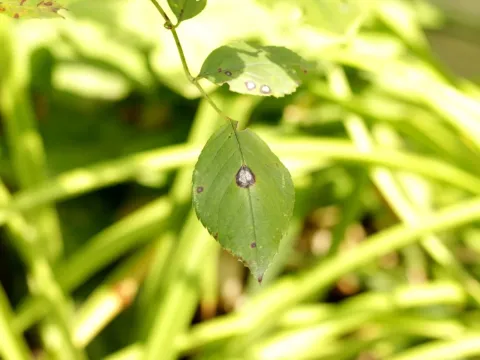
Visible symptoms often begin as small, discolored spots—typically brown, gray, or tan—on leaves and needles. As the infection progresses, these lesions enlarge and may coalesce, leading to premature leaf drop or needle abscission.
A hallmark sign of the infection is the development of minute black, dot-like fruiting bodies (acervuli) within the necrotic lesions. On woody stems, the infection may manifest as sunken cankers that cause the distal portion of the branch to wither and die.
Effective management requires an integrated approach focusing on sanitation and chemical intervention. Eliminating the source of inoculum is critical to prevent the secondary spread of the fungal spores within the plantation or garden.
- Remove and destroy all infected plant material promptly.
- Prune and disinfect tools to prevent mechanical transmission of spores.
- Improve cultural conditions by providing better sunlight and air movement.
- Apply preventative copper-based sprays or systemic fungicides as recommended.