
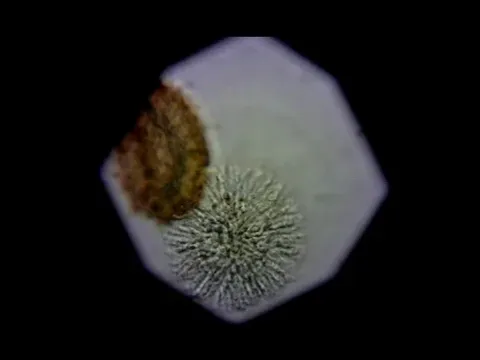
Penicillium viridicatum
Penicillium viridicatum
Penicillium viridicatum is a species of filamentous fungi within the genus Penicillium. It is a well-known saprophytic and facultative parasitic organism that frequently colonizes agricultural substrates.
What the section contains
Penicillium viridicatum
The fungus is characterized by its distinct green to olive-green colony morphology. Under microscopic observation, it displays branched conidiophores (penicilli) producing chains of conidia, which are the primary units for its rapid dissemination.
As a mesophilic fungus, P. viridicatum thrives in temperatures ranging from 5°C to 25°C. Its ability to produce a wide array of extracellular enzymes allows it to degrade complex organic molecules, including cellulose and starch.
Classified as a member of the Deuteromycetes (imperfect fungi), it lacks a known sexual stage in most environments, relying instead on asexual sporulation to spread rapidly through air currents and human activity.
A critical aspect of this species is its metabolic potential; it is known to produce significant quantities of mycotoxins, including ochratoxin A, which poses severe health risks to humans and livestock if present in contaminated feed or food.
This pathogen primarily targets cereal grains, including wheat, corn, and barley. It is one of the most common causes of post-harvest storage rot, leading to substantial economic losses in the agricultural sector.
The fungus invades the seed embryo, causing it to lose viability. This effectively renders contaminated grain unsuitable for sowing, as it either fails to germinate or produces weak, susceptible seedlings.
Beyond cereals, Penicillium viridicatum affects root vegetables and bulbs during storage. The infection causes tissue maceration and decay, which can spread quickly through storage facilities if left unchecked.
The economic impact is twofold: quantitative loss through seed decay and qualitative loss due to the accumulation of toxic secondary metabolites that persist despite processing or cleaning attempts.
In field conditions, the fungus can infect maturing crops during wet harvest seasons, setting the stage for further development within storage systems where conditions are conducive to fungal growth.
The primary period of development is the post-harvest phase. Increased grain moisture levels exceeding 14-15% create the perfect environment for the fungus to transition from dormancy to active growth.
During the field cycle, infection is favored by cool and damp weather conditions during the maturation stage of the crop, which allows conidia to settle on husks and grain surfaces before the harvest begins.
Springtime risks occur when contaminated seeds are sown into cold, wet soil. The delayed germination of the crop allows the fungus to colonize the seed and the developing radical, often leading to damping-off.
The fungus maintains an ongoing cycle of asexual reproduction, provided the substrate has enough water activity. Spores are highly resistant to environmental stressors and can survive for long periods until favorable conditions return.
Spread is facilitated by airflow, contaminated storage equipment, and mechanical transfer via infected dust particles, which carry spores into new, previously clean environments.
Visible signs typically appear as a powdery, blue-green or olive-green mold covering the surface of grains, seeds, or vegetable tissues. This mold can easily be disturbed and spread into the air.
Contaminated seeds often show discoloration in the embryo region, turning shades of brown or gray. The internal tissue of the seed may appear shriveled or lose its natural luster and firmness.
A musty, earthy, or fermented odor is a telltale sign of heavy colonization by P. viridicatum in enclosed storage spaces. This smell often precedes visible mold growth in deeper layers of stored grain.
On root crops, the infection manifests as soft, decaying patches. These lesions may progress rapidly, turning the interior tissue watery and discolored before being covered by the signature mold layer.
In advanced cases, heating of the grain mass is observed. This self-heating is a result of the metabolic activity of the fungus as it breaks down nutrients, indicating a severe infestation.
Effective management begins with strict control of grain moisture content. Drying harvests to below 14% is the most critical step to inhibit the growth of Penicillium species during storage.
Proper storage facility management, including active aeration and temperature control, is essential to prevent the accumulation of moisture and the formation of hot spots where mold could initiate growth.
Rigorous sanitation protocols for silos, bins, and transport equipment are mandatory. Deep cleaning and the use of approved disinfectants help eliminate fungal spores and prevent carry-over from one season to the next.
Seed treatment with systemic fungicides prior to planting serves as a protective barrier, reducing the risk of seedling infection if the pathogen is present on the seed coat or in the soil.
Regular inspection and moisture monitoring of stored lots allow for the early detection of infection, enabling producers to isolate and manage contaminated batches before the mold spreads further.