
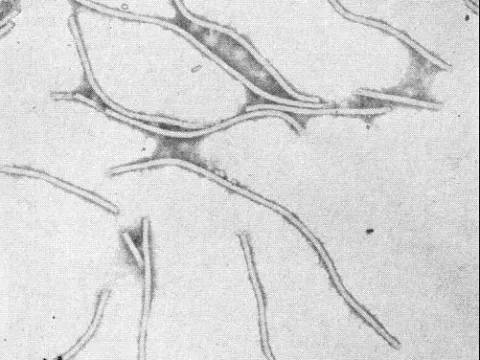
Oat necrotic mottle virus
Oat necrotic
The causal agent is the Oat necrotic mottle virus (ONMV), which belongs to the genus Pyramovirus within the Secoviridae family. It is a significant phytopathogen affecting cereal grasses.
What the section contains
Oat necrotic mottle virus
The virus is soil-borne, meaning it relies on soil-inhabiting organisms to move through the environment and reach the root systems of host plants.
Once inside the plant, the virus replicates and spreads systemically throughout the vascular tissues, causing physiological disruption.
Due to the complexity of viral symptoms, identification often requires molecular techniques like ELISA or PCR to confirm the presence of ONMV.
Understanding this pathogen's biology is essential for developing integrated pest management strategies that protect cereal production.
Oat is the primary host for this virus, but it can also infect other cereals, including barley and wheat, as well as several wild grass species.
The virus causes severe chlorosis and necrosis of the leaves, which significantly inhibits the photosynthetic activity and biomass production of the plant.
Infected crops typically show reduced growth rates, stunted stems, and poor grain filling, which translates to considerable yield losses for farmers.
Severe infestations can lead to total crop failure, especially in fields where favorable environmental conditions persist for the soil-borne vectors.
The presence of the virus negatively impacts the overall quality of the grain, making it unsuitable for commercial processing or seed use.
The disease cycle begins in early spring, synchronized with the activity of soil vectors during the germination and early growth phases of the crop.
As the soil warms and moisture levels rise, the vectors release zoospores, which facilitate the entry of the virus into the plant roots.
Disease hotspots appear in the field, as the virus spreads progressively from the point of initial infection to adjacent plants via the soil matrix.
The symptoms often become most pronounced during the tillering and stem elongation stages, when the plant's metabolic needs are at their peak.
Environmental conditions characterized by cool, damp springs provide the ideal environment for both the vector and the virus to propagate.
The first signs typically include light green or yellow chlorotic spots on younger leaves, eventually developing into distinct necrotic streaks.
As the infection progresses, the leaves exhibit a characteristic mottling pattern, and the tissue begins to die in patches, giving the plants a mottled appearance.
- Chlorotic mosaic patterns on leaf blades.
- Necrotic stripes or lesions along the leaf veins.
- Severe stunting and reduction in tiller number.
- Deformation of the canopy and inhibited panicle development.
In advanced stages, the plants take on a brownish, withered look, often mistaken for natural senescence by the untrained eye.
The symptoms are systemic, meaning they will eventually appear on all newly emerging leaves after the initial infection has occurred.
Effective management requires a long-term strategy, including crop rotation with non-host species to deplete the viral inoculum in the soil.
Planting virus-resistant or tolerant cultivars is the most reliable method for maintaining yields in areas known to have high virus pressure.
Control of grassy weeds is crucial, as they act as alternative hosts for the virus, allowing it to survive through the winter months.
Field drainage improvement helps to reduce the survival and mobility of soil-borne vectors, thereby limiting the initial infection risk.
Strict observance of recommended planting dates ensures that crops are established under conditions that are less favorable for vector activity.