
Oat sterile dwarf virus
Ragged and
Description
How to identify
The causative agent of the disease is the Oat sterile dwarf virus (OSDV), belonging to the genus Cytorhabdovirus, family Rhabdoviridae. It is a virus containing a single-stranded RNA genome and has bacilliform particles.
This virus is a specific phytopathogen affecting monocotyledonous plants. It does not spread mechanically via sap or through infected seeds under field conditions.
The primary vector for the transmission of OSDV is the planthopper Javesella pellucida. Transmission is transovarial, meaning the virus is passed from the adult insect to its offspring, which are infectious from birth.
The virus persists in nature within the bodies of overwintering planthoppers and in reservoir host plants, primarily perennial grasses found in adjacent meadows.
The biological cycle of the virus is intricately linked to the population dynamics of its vector, which thrives in humid and cool environmental conditions.
What it damages
Oats are the primary host, but the virus can also infect barley, rye, and various wild grass species that serve as a bridge for the pathogen.
The economic impact is manifested by a severe reduction in crop productivity, leading to stunted plants and the production of empty or malformed heads.
Infected fields show significant plant height variability, which complicates standard harvesting operations and results in considerable grain loss.
Affected plants have compromised physiological systems, making them more susceptible to drought, nutritional stress, and secondary infections.
Significant yield losses occur particularly when early-stage crops are colonized by infected planthoppers, leading to widespread barren areas in the field.
Signs of infestation
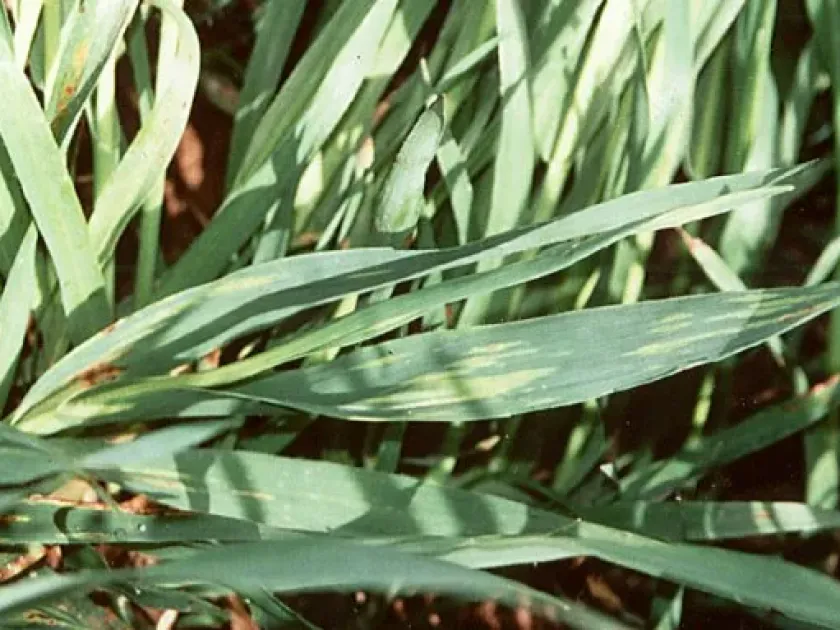
The hallmark symptom is severe stunting combined with excessive tillering, where the plant produces many narrow, shortened shoots instead of normal stems.
Leaves on infected plants often turn dark green and develop a rigid, leathery texture, with occasional leaf tip necrosis or marginal curling.
Reproductive development is severely inhibited; heads often remain trapped within leaf sheaths or appear as distorted, sterile, and reduced structures.
Early-infected plants fail to produce stems and remain as low-growing, dense clumps, giving the disease its name associated with sterile dwarfism.
- Severe reduction in internode length.
- Lack of proper heading or panicle formation.
- Dark green, stiff, and deformed foliage.
Control measures
Management centers on controlling the Javesella pellucida population using targeted insecticide applications during the peak migration periods of the vectors.
Implementing early sowing dates for oats is a vital practice, allowing crops to reach a more mature stage before the peak activity of planthoppers.
Eliminating grassy weeds and maintaining clean field margins is essential to destroy the reservoirs where the virus survives between growing seasons.
Adopting proper crop rotation and maintaining spatial isolation between oat fields and permanent pastures minimizes the risk of virus introduction.
Selecting and breeding for resistant crop varieties is the most sustainable long-term strategy to combat this viral disease in commercial cereal production.
Causes diseases · 1
Discussion
No discussions yet — be the first.