
Oat sterile dwarf virus
Oat sterile
Description
How to identify
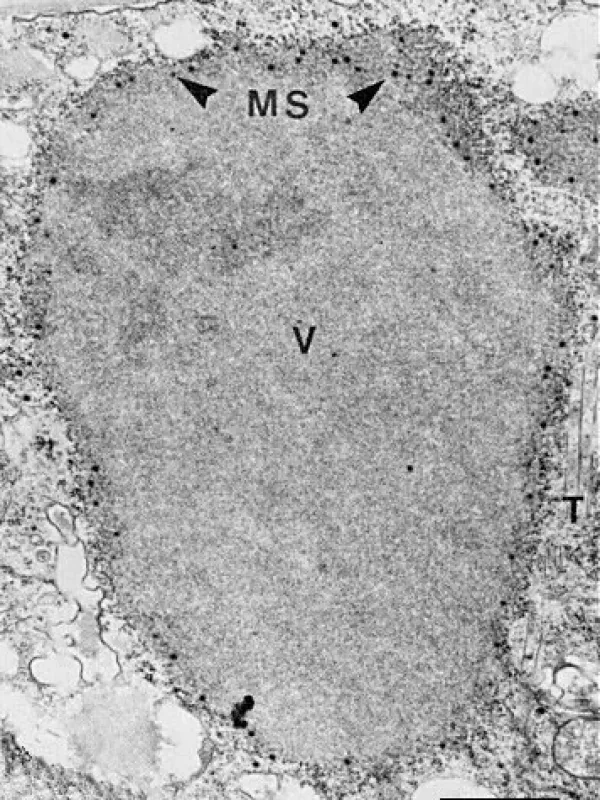
The Oat sterile dwarf virus (OSDV) is a viral pathogen classified under the genus Fijivirus within the Reoviridae family.
It is characterized by a double-stranded RNA genome and is strictly dependent on leafhopper vectors for transmission, primarily Javesella pellucida.
The virus exhibits persistent propagation in its vector, meaning the insect remains infective throughout its lifespan after acquiring the virus from an infected plant.
Natural reservoirs for the virus include perennial wild grasses, which maintain the viral pool in the environment during the absence of susceptible cereal crops.
The virus is sensitive to environmental conditions outside the host, making the insect vector the key factor in the epidemiology of the disease.
What it damages
OSDV primarily affects oats, but it can also cause damage to other small grain cereals including barley and wheat depending on the region and virus strain.
The economic impact is severe because the virus induces sterility, preventing the formation of grain and rendering the affected tillers non-productive.
Infection occurring during the early seedling stage causes the most significant yield loss, often leading to total crop failure in heavily infested patches.
Affected fields show irregular development, reduced biomass, and a lack of seed set, which complicates harvest and lowers overall grain quality.
Besides direct yield loss, the physiological weakening of plants makes them more susceptible to root diseases and environmental stress.
Signs of infestation
Typical symptoms include pronounced stunting, where infected plants are significantly shorter than healthy ones and exhibit an overly bushy appearance.
Leaves often show a deep green discoloration, become stiff, and may exhibit curling or necrotic streaking during the later stages of development.
The reproductive organs are severely deformed; the panicle often remains trapped within the leaf sheath or fails to develop florets entirely.
Sterility is the hallmark sign, with affected plants producing little to no grain, or developing shriveled, infertile spikelets.
Field observation reveals patches of stunted, dark green plants that clearly deviate from the normal morphological growth of the crop.
Control measures
Controlling the vector is the primary strategy, which involves targeted insecticide applications during periods of high leafhopper activity.
Spatial separation of oat fields from perennial grasslands and pastures helps reduce the initial pressure of the viral vector migration.
Implementing early sowing schedules allows plants to reach a more robust stage before the peak migration of insects occurs.
Weed management, especially the removal of volunteer cereals and grassy weeds, is critical to eliminate overwintering sites for the vectors.
- Use of systemic insecticides for seed treatment.
- Regular field monitoring for vector population spikes.
- Selection of resistant or tolerant cultivars when available.
- Maintaining field borders free of weeds and wild grasses.
Causes diseases · 1
Discussion
No discussions yet — be the first.