
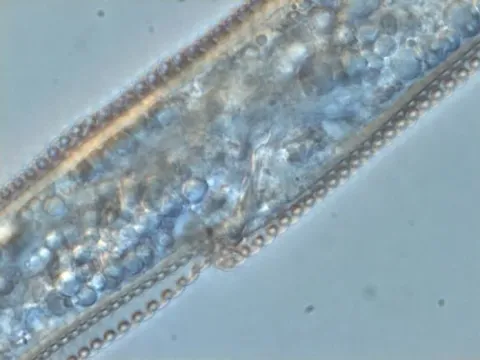
Hemicycliophora
Hemicycliophora
Hemicycliophora is a genus of plant-parasitic nematodes belonging to the order Rhabditida. They are ectoparasitic organisms known for their unique morphology, characterized by a thick, ringed cuticle that gives them the common name "sheath nematodes."
What the section contains
Hemicycliophora
These nematodes possess a long, hollow stylet that they use to puncture plant roots and feed on cortical cells. They typically lead a semi-sedentary lifestyle, remaining attached to the root surface while feeding, which allows them to extract nutrients efficiently.
The life cycle of Hemicycliophora involves several larval stages that reside in the soil profile. They are highly resilient and can survive periods of environmental stress, such as low moisture or fluctuating temperatures, by entering a state of dormancy within the soil matrix.
Taxonomically, the genus is diverse, and species are distributed globally across various climates. Their ability to parasitize a wide range of hosts makes them a persistent challenge for commercial agricultural systems and nurseries alike.
Precise identification of Hemicycliophora requires expert analysis. Diagnostic procedures often involve microscopic examination of the female's body shape, tail morphology, and the structure of the stylet to distinguish them from other soil-borne nematode groups.
Hemicycliophora causes significant damage to numerous crops, including horticultural plants like tomatoes, strawberries, and vineyards. They are also known to affect various ornamental trees and shrubs in urban and agricultural landscapes.
The primary damage results from the mechanical destruction of root tissues. As the nematodes feed, they induce the formation of galls or characteristic swelling at the root tips, which severely hinders the plant's ability to absorb water and essential nutrients.
Feeding sites serve as entry points for opportunistic fungal and bacterial pathogens. This synergistic effect often leads to secondary infections like root rot, which exacerbates the damage and accelerates the decline of the host plant's health.
The economic impact of a Hemicycliophora infestation is substantial, leading to stunted plant growth, reduced fruit quality, and lower overall yields. In severe cases, the cumulative damage can lead to the death of young seedlings or weakened perennials.
Because these nematodes reside in the rhizosphere, they degrade the root system over multiple growing seasons. This persistent pressure often results in uneven crop development and reduced soil fertility, forcing farmers to seek long-term management strategies.
Initial signs of infestation in a field are typically characterized by patches of stunted, chlorotic plants. These affected areas often show a marked difference in vigor compared to healthy sections of the field, creating a patchy growth pattern.
Under close inspection, the root system often displays "curly tip" symptoms. Root ends may appear deformed, thickened, or necrotic, as the feeding activity of the nematodes interferes with normal root development and tissue differentiation.
Above-ground symptoms are frequently mistaken for water stress or nutrient deficiencies. Affected plants may show signs of wilting during the hottest parts of the day, as the damaged root system fails to compensate for the rate of transpiration.
For perennial crops, the decline is often gradual. Over several years, growers may observe a reduction in annual growth, lower vigor, and poor reproductive performance, indicating the long-term impact of chronic nematode infestation.
Due to the ambiguity of these symptoms, accurate diagnosis must be supported by soil and root samples. Laboratory extraction and quantification of nematode populations are necessary to confirm Hemicycliophora as the causal agent of the observed problems.
Effective control of Hemicycliophora centers on a multi-faceted approach. Crop rotation is one of the most practical strategies; rotating infested fields with non-host crops for several years can significantly reduce the soil population of these pests.
Agricultural management should prioritize sanitation, including the thorough removal of root debris after harvest. Deep plowing can also help expose nematode populations to environmental extremes, thereby reducing their overall survival in the soil.
Biological control options, such as the application of beneficial fungi or antagonistic soil bacteria, are gaining popularity. These agents can parasitize or disrupt the nematode life cycle without the environmental side effects of synthetic chemicals.
Chemical control involving the use of nematicides is generally reserved for high-value crops where infestation levels are critically high. Applications must be carefully managed to ensure effectiveness and to prevent damage to the beneficial soil microbial balance.
Using certified, disease-free planting material is the most reliable way to prevent the introduction of Hemicycliophora to new agricultural sites. Maintaining strict biosecurity protocols ensures that fields remain productive and free from heavy nematode pressure.