
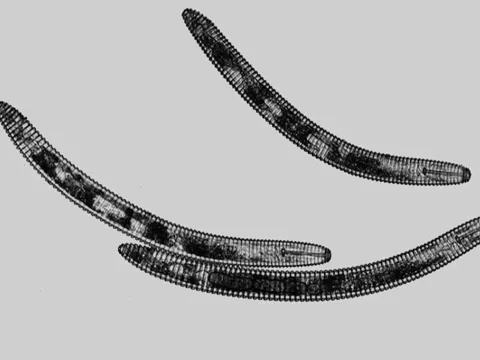
Hemicycliophora gracilis
Hemicycliophora gracilis
Hemicycliophora gracilis is a microscopic ectoparasitic nematode belonging to the Hemicycliophoridae family. It is recognized by its distinct morphology, characterized by a loose-fitting outer cuticle layer that provides protection and aids in its survival within soil environments.
What the section contains
Hemicycliophora gracilis
Systematically, it is classified within the Phylum Nematoda, Class Secernentea. Unlike endoparasitic nematodes that enter the roots, this species feeds on the root surface, specifically targeting root hairs and epidermal tissues of the host plants.
This nematode targets a wide array of agricultural and ornamental crops. By feeding on the root tips, it causes significant physiological stress, disrupting the plant's ability to efficiently transport water and essential mineral nutrients to the upper parts of the plant.
The damage caused by H. gracilis leads to stunted growth, nutrient deficiency symptoms, and poor root development. In severe infestations, the cumulative stress can result in high yield losses and susceptibility to secondary fungal and bacterial infections.
Field symptoms often manifest as patchy growth within the crop area. Affected plants exhibit yellowing (chlorosis) of foliage, wilting during peak sunlight hours, and a generally dwarfed appearance compared to healthy neighboring plants.
Upon examination, roots may appear necrotic or distorted, with significantly reduced root hair density. Since the nematode does not necessarily form large, visible galls, the damage is often mistaken for other soil-borne root diseases or simple nutrient deficiencies.
Effective control requires an integrated pest management (IPM) approach. Crop rotation with non-host species is highly recommended to starve the nematode population in the field and prevent the further buildup of soil-borne pathogens.
For high-value crops, chemical nematicides or biological agents, such as beneficial soil bacteria and predatory fungi, can be applied to reduce nematode populations. Soil solarization and deep plowing also serve as physical methods to disrupt the nematode's life cycle.