
Hemicycliophora
Hemicycliophora
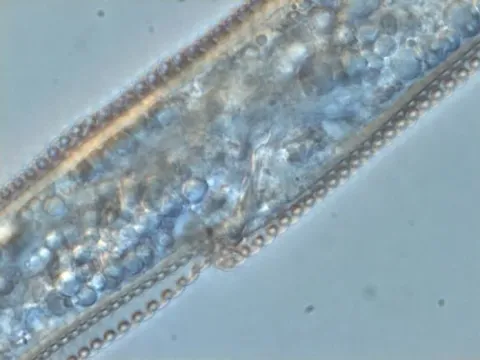
Hemicycliophora is a genus of ectoparasitic nematodes within the family Hemicycliophoridae, commonly referred to as sheath nematodes. They are distinguished by a unique double-layered cuticle that gives them a characteristic appearance under a microscope.
What the section contains
Hemicycliophora
These nematodes possess a long, sturdy stylet adapted for puncturing plant root cells. Unlike endoparasitic nematodes, they remain outside the root tissues, feeding on the epidermal cells of the root tips, which allows them to migrate easily through the soil profile.
The life cycle involves an egg stage, four larval stages, and an adult stage. Both juveniles and adults are mobile and seek out healthy roots to feed upon, with their activity levels highly dependent on soil moisture and temperature.
Sheath nematodes are distributed globally and can be found in various environments, from temperate garden soils to commercial agricultural fields and specialized nursery stock, where they thrive in well-aerated soils.
Because they are microscopic, identification relies heavily on soil and root sampling followed by specialized laboratory extraction techniques, such as the Baermann funnel or centrifugal flotation methods.
The primary damage occurs when nematodes feed on root hairs and root tips. This feeding process triggers the formation of characteristic galls or swellings, often referred to as "sheath nematode galls," which hinder normal root development.
A wide variety of crops are susceptible to Hemicycliophora, including vegetables like tomatoes, potatoes, and onions, as well as woody perennials, fruit trees, and various ornamental species, especially bulbs.
Damage to the root system inhibits water and nutrient uptake, leading to stunted plant growth, chlorosis, and increased susceptibility to wilting during periods of drought or high heat stress.
Feeding sites act as entry points for secondary infections, including soil-borne fungi and bacteria, which can cause root rot. In many cases, these secondary infections cause more severe damage than the nematodes themselves.
In high-density populations, sheath nematodes can cause significant economic losses by reducing crop yield, fruit size, and overall plant vigor, ultimately compromising the quality of the harvest.
Above-ground symptoms are often nonspecific and appear as patches of stunted, yellowed plants that do not respond to fertilization or irrigation. These patches often follow the natural movement of water or soil across the field.
In-ground examination reveals root deformation, including swollen tips, discoloration, and a lack of secondary root branching. These damaged roots are inefficient at supporting the metabolic needs of the plant.
The presence of these nematodes can be confirmed in a lab setting where experts look for the presence of the characteristic double-cuticle structure in soil extracts taken from the rhizosphere of affected plants.
Yield loss is directly correlated to the nematode population density in the soil. As the parasite reproduces, the visible damage becomes more pronounced, often leading to total crop failure in highly sensitive varieties.
Nursery producers are particularly at risk, as Hemicycliophora can easily be spread via contaminated seedlings, leading to widespread infection when the stock is transplanted to the main field.
Preventative measures are the first line of defense. Utilizing certified nematode-free planting stock and ensuring that all farm machinery is cleaned before moving from infested to clean areas are crucial steps in limiting the spread.
Cultural practices such as crop rotation with non-host species or green manure crops that possess bio-fumigant properties can significantly reduce the nematode population in the soil over time.
Chemical control options include the use of soil fumigants or nematicides. These should be applied according to local regulations and strict guidelines to ensure efficacy and minimize environmental impact on non-target soil organisms.
Biological control agents, particularly nematophagous fungi like Arthrobotrys, are increasingly used in integrated pest management programs, as they actively prey on nematodes in the soil, helping to keep populations below the economic threshold.
For greenhouse operations, steam sterilization or solarization of the soil remains the gold standard for eradicating nematode populations prior to starting a new planting cycle, ensuring a clean start for the crop.