
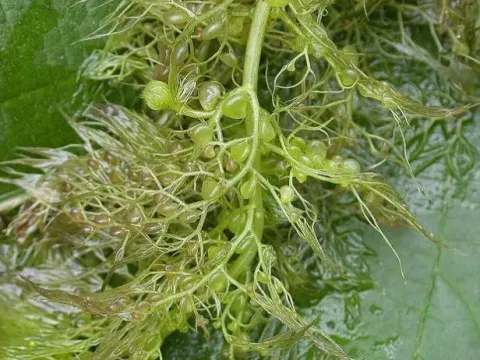
St. George vine
Grapevine rupestris
St. George vine (scientific name: Vitis rupestris) is a perennial woody vine species belonging to the Vitaceae family. Historically, this species originated from the rocky riverbeds of North America, which defined its specific physiological characteristics.
What the section contains
St. George vine
In modern viticulture, it is not considered a pathogen but rather a fundamental genetic resource. It is widely used as a rootstock because of its exceptional resistance to phylloxera, a soil-borne aphid that decimated European vineyards in the 19th century.
The plant is characterized by a bushy growth habit, small round leaves, and distinct lack of pubescence. While its berries are inedible for commercial purposes, the species remains a cornerstone for grafting purposes in global vineyard management.
Botanically, it is classified within the Vitis genus and is known for its deep, hardy root system. This allows the vine to thrive in poor, rocky, and well-drained soils where other species might fail due to nutrient deficiency or drought.
Identification is based on its non-climbing growth habit, small size, and specific leaf morphology. Understanding its biology is essential for viticulturists who select rootstocks based on soil conditions and disease prevalence in a given region.
While not a disease agent itself, Vitis rupestris-derived rootstocks can present issues if not properly matched with the scion variety. Incompatibility can lead to poor nutrient uptake, resulting in weak plants prone to secondary fungal infections.
Some forms of this species are sensitive to high lime content in the soil, which induces lime-induced chlorosis. This stress weakens the entire vine, making it more susceptible to infections like powdery mildew or bacterial necrosis.
A significant risk involves the potential for latent viral infections if the rootstock material is not certified. When viruses are present, they can be transmitted through grafting tools or during the nursery propagation process to the scion.
Over-irrigation or waterlogged soil conditions are detrimental to this species. Given its adaptation to rocky environments, stagnant water triggers root rot pathogens, which can destroy the root system and kill the grafted vine.
Poor nursery practices, such as excessive mechanical injury to roots during transplanting, create entry points for soil-borne pathogens like Phytophthora, leading to long-term decline of the plant vitality.
The most common sign of distress is interveinal chlorosis, where leaves turn yellow while the veins remain green. This indicates an iron deficiency, often resulting from rootstock-soil incompatibility or physiological stress.
Necrotic lesions around the graft union are warning signs of poor tissue fusion or potential bacterial infection. These lesions significantly impede sap flow, leading to stunted growth and reduced yields in the affected vine.
The appearance of white, powdery patches on young foliage is a classic symptom of powdery mildew (Erysiphe necator). Although resistant to some pests, the vine requires protection in humid conditions to prevent the spread of fungal spores.
Sudden wilting of the leaves during the day, even with sufficient soil moisture, suggests severe damage to the vascular system, likely caused by root rot or severe nutrient transport disruptions.
Stunted shoot development compared to healthy vines in the same block usually indicates a systemic health issue, often linked to virus transmission or poor nursery selection of the initial rootstock material.
The primary control measure is the use of certified, virus-free rootstock material propagated through tissue culture or clean nursery programs. Strict adherence to phytosanitary standards prevents disease introduction.
Implementing a preventive fungicide program is essential during the early stages of vine growth, especially in nurseries, to protect the foliage and young shoots from fungal pathogens that thrive in high humidity.
Corrective soil management, including the use of iron chelates, helps maintain the health of vines planted on calcareous soils, preventing the onset of chlorosis and maintaining overall plant vigor.
Proper orchard management, including adequate drainage and regular pruning, ensures good air circulation, which is critical for reducing the pressure of airborne fungal infections.
- Regular inspection of the graft union for signs of necrosis.
- Disinfection of grafting tools to prevent disease transmission.
- Soil analysis before planting to ensure rootstock-soil compatibility.