
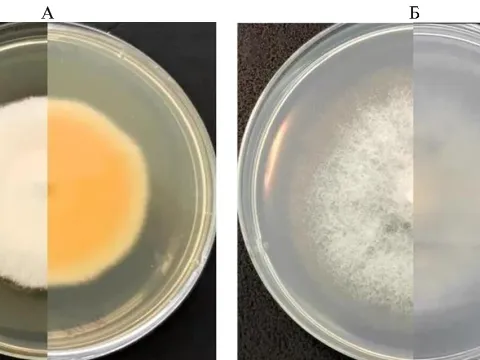
Fusarium incarnatum
Fusarium incarnatum
Fusarium incarnatum is a fungal pathogen belonging to the kingdom Fungi, phylum Ascomycota, and the genus Fusarium. It is a soil-borne fungus recognized globally for its ability to cause diverse diseases in a wide range of plants.
What the section contains
Fusarium incarnatum
The fungus is named for the pinkish to peach-colored mycelium it produces on various media. These pigments are characteristic of the species and help in its preliminary identification in a diagnostic lab.
Microscopic examination reveals crescent-shaped macroconidia with a distinct hooked apical cell. The species also produces microconidia and chlamydospores, which are survival structures allowing it to persist in the soil.
This pathogen belongs to the Fusarium incarnatum-equiseti species complex. Due to the high morphological similarity among species within this complex, molecular techniques such as DNA sequencing are often required for definitive identification.
The organism is a highly adaptable saprophyte and pathogen, capable of thriving in diverse ecological niches, which makes it a persistent challenge in agricultural environments.
This pathogen acts as a polyphage, impacting a vast array of crops including cereals, legumes, vegetables, and fruit trees. It is frequently associated with root rots, stem rots, and wilt diseases.
In cereal crops, it is a key agent of Fusarium head blight (FHB). This disease is particularly destructive as it not only reduces grain yield but also leads to the accumulation of harmful mycotoxins that contaminate the harvest.
Vegetable crops such as tomatoes and peppers are susceptible to Fusarium wilt. The fungus colonizes the vascular system, effectively blocking the xylem and preventing the upward transport of water and nutrients, leading to rapid wilting.
Storage rot is another significant economic impact. In warehouses, the pathogen causes dry rot in tubers and fruits, leading to the decay of stored produce and significant post-harvest losses.
In soybeans and other pulses, the fungus severely reduces seed germination rates and seedling vigor, causing thin stands and necessitating costly replanting efforts in severely affected fields.
Disease development is highly dependent on environmental conditions, particularly during the growing season. The pathogen is most active under conditions of moderate to high soil moisture and temperatures ranging between 18°C and 25°C.
Initial infections typically occur in the soil through chlamydospores or infested plant debris. Seeds and seedling roots are most susceptible immediately after planting, especially under cool, wet spring conditions.
During the summer months, high humidity and frequent rainfall promote the dispersal of conidia. These spores are spread via wind, splashing rain, or insect vectors, leading to secondary infections on aerial parts of plants.
Autumn conditions, characterized by high moisture and decaying plant matter, provide the pathogen with an opportunity to colonize senescing tissues, ensuring the build-up of inoculum for the following season.
The survival of the fungus as mycelium in crop residues ensures its carry-over from one year to the next. Short crop rotations are a primary driver of increased disease pressure in commercial fields.
Symptoms often start as chlorosis of the lower leaves. As the infection progresses, the foliage wilts and turns yellow, eventually becoming necrotic while staying attached to the main stem.
When the stem or root crown is cross-sectioned, a characteristic reddish-brown discoloration of the vascular tissues is visible. This confirms the systemic nature of the infection and the blockage of the plant's plumbing system.
In humid weather, a light pink, salmon, or white fungal growth may appear on the surface of the infected tissue, representing the massive production of conidia that serve as secondary inoculum.
Affected fruits and tubers often show sunken, dark lesions that may be covered by a powdery fungal mass. Internally, the tissue may become hollow, dry, and friable as the fungus degrades the plant structure.
- Gradual yellowing and wilting of lower leaves.
- Internal browning of the vascular tissues in stems and roots.
- Visible salmon-colored sporulation on surface tissues during wet periods.
- Reduced seed germination and seedling damping-off.
- Development of dry rot lesions on harvested produce.
A rigorous crop rotation strategy is the most effective cultural control method. Removing host plants from the field for several years helps deplete the population of soil-borne inoculum.
Seed treatment with systemic fungicides is crucial to protect germinating seeds from soil-borne pathogens. Using certified disease-free seeds is the first line of defense against the introduction of the fungus into new areas.
Maintaining optimal soil health and fertility is essential. Balanced nutrient application, particularly ensuring adequate potassium levels, helps plants develop natural resistance against pathogen penetration.
Deep plowing and the thorough destruction of crop residues reduce the availability of substrates for the fungus to persist. Minimizing tillage or leaving debris on the surface often favors the survival of the pathogen.
Chemical control during the growing season involves the application of systemic fungicides, such as triazoles or benzimidazoles. Applications should be preventative or made at the very first signs of disease to be effective.