
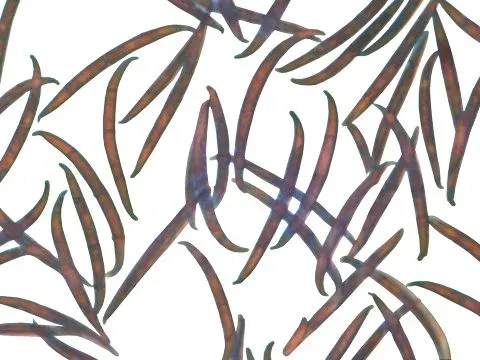
Fusarium oxysporum
Fusarium oxysporum
Fusarium oxysporum is a ubiquitous soil-borne fungal pathogen belonging to the Ascomycota division. It is best known for causing systemic vascular wilt diseases in a wide range of economically important plant species.
What the section contains
Fusarium oxysporum
The fungus persists in soil as chlamydospores, which are thick-walled resting structures that allow the pathogen to survive for years in the absence of a host. Its ability to act as a saprophyte further complicates eradication efforts.
The species is highly diverse, consisting of numerous formae speciales. Each forma specialis displays host specificity, meaning specific strains are adapted to infect only specific crops, such as tomatoes, bananas, or flax.
The biological cycle begins when root exudates trigger spore germination in the rhizosphere. Hyphae penetrate root tissues and colonize the vascular system, where the fungus produces microconidia and toxins.
These toxins disrupt water transport and systemic functions of the plant, leading to wilting. The fungus then produces macroconidia on decaying tissues, which are disseminated by water, contaminated soil, or agricultural machinery.
It impacts a broad spectrum of crops including vegetable crops (tomatoes, cucumbers, melons), legumes, and fiber crops. Damage is severe due to the systemic nature of the colonization, leading to total yield loss.
Fields infested with persistent pathogenic strains often remain unsuitable for the cultivation of susceptible varieties for many years. It is considered one of the most destructive agricultural pathogens globally.
Infection thrives during periods of warm soil temperatures, typically between 20°C and 30°C. The disease often peaks during the flowering and fruit-setting stages when plants are under high physiological stress.
High humidity and poor soil drainage facilitate the spread of spores within the field. In greenhouse conditions, the pathogen is active throughout the entire production cycle if hygiene protocols are neglected.
Initial symptoms include the yellowing and drooping of lower leaves. Unlike some other wilts, the yellowing may occur on one side of the plant or even on specific branches initially.
A diagnostic visual sign is the browning or darkening of the vascular tissue (xylem) visible upon cutting the stem near the crown. This vascular discoloration confirms the presence of the pathogen.
Integrated pest management (IPM) is essential. The most effective strategy involves the use of resistant crop varieties, long-term crop rotation, and the implementation of strict soil sanitation practices.
Biological control agents, particularly beneficial fungi like Trichoderma species, are used to suppress pathogen growth in the soil. Chemical fungicides are limited in their effectiveness once the plant is systemically infected.