
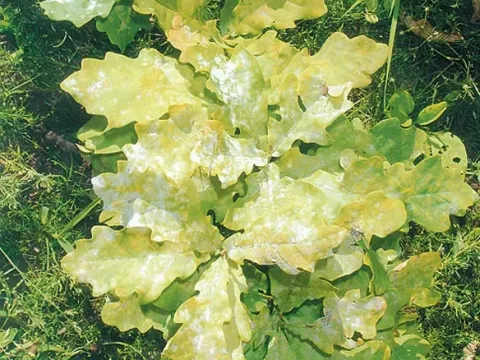
Erysiphe
Erysiphe
The genus Erysiphe belongs to the kingdom Fungi and the phylum Ascomycota. These are obligate biotrophic parasites that infect a wide range of host plants worldwide.
What the section contains
Erysiphe
The fungus develops its mycelium on the surface of the plant epidermis, utilizing specialized structures called haustoria to extract nutrients from host cells.
The life cycle involves both asexual reproduction, producing large quantities of conidia that are wind-dispersed, and sexual reproduction leading to cleistothecia.
Cleistothecia are small, dark, overwintering structures that allow the pathogen to survive harsh conditions in plant debris or soil.
Species within this genus are highly host-specific, with many having evolved to infect specific plant families such as Poaceae, Cucurbitaceae, or Rosaceae.
Erysiphe causes significant damage to various crops, including cereals, vegetables, and fruit trees, by disrupting vital physiological processes.
By infecting leaves, stems, and fruits, the fungus reduces the plant's ability to photosynthesize, leading to stunted growth and reduced vigor.
Severe infestations can cause premature leaf senescence, blossom drop, and deformation of fruits, negatively impacting overall harvest quality.
In many agricultural settings, powdery mildew infections can lead to substantial yield losses if not managed during critical growth stages.
Furthermore, the physical presence of fungal mycelium reduces the marketability of fresh produce, making it unattractive to consumers.
Infection typically begins in the spring when temperatures range between 15°C and 20°C, combined with moderate humidity levels.
The development of the fungus is favored by conditions where high humidity occurs, such as frequent dew formation or rainy nights, even in arid climates.
During the growing season, rapid secondary cycles occur as conidia are spread by wind, allowing for exponential disease progression in the field.
Extreme temperatures, specifically intense heat and dry weather, may slow down the growth, but the pathogen remains viable within the plant tissue.
As the season progresses toward autumn, the fungus produces sexual structures, which facilitate overwintering and ensure the pathogen's survival until the next spring.
The most recognizable sign is the presence of a white or grayish powdery coating on the surface of leaves, stems, and occasionally fruits.
This coating consists of fungal mycelium and a mass of spores, which can often be easily wiped off at the early stages of infection.
Affected tissues beneath the white powder often turn yellow, develop chlorotic spots, and eventually undergo necrosis if left untreated.
Plants heavily infested with Erysiphe often exhibit stunted growth, leaf curling, and early wilting, which reduces the plant's overall competitive ability.
Tiny black structures, known as cleistothecia, become visible on the white mycelial mats toward the end of the infection cycle as the fungus matures.
Management of Erysiphe primarily involves the use of systemic fungicides, such as triazoles, strobilurins, and sulfur-based contact treatments.
Cultural practices are essential, including the removal and destruction of crop residues where the pathogen can overwinter successfully.
Implementing proper plant spacing and pruning helps improve air circulation, reducing the humidity levels that the fungus requires for optimal growth.
Selecting and planting resistant or tolerant crop varieties is a highly effective strategy for long-term disease prevention in agricultural systems.
Balanced nutrient management, avoiding excess nitrogen fertilization, helps maintain plant health and prevents rapid, succulent growth that is susceptible to infection.