
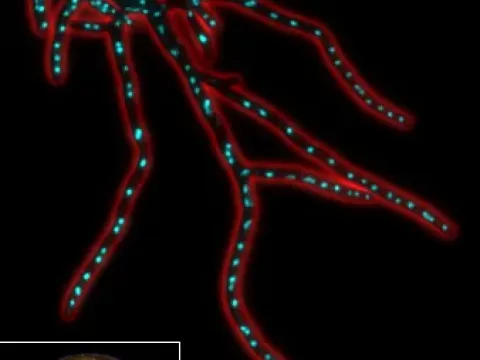
Eremothecium gossypii
Eremothecium gossypii
Eremothecium gossypii is a filamentous fungus within the Ascomycota phylum. It is scientifically recognized as a hemibiotrophic plant pathogen, although it is also widely used in biotechnology for the commercial production of riboflavin and other biochemical compounds.
What the section contains
Eremothecium gossypii
The fungus produces branched hyphae and characteristic needle-like ascospores. Its survival and transmission are heavily dependent on environmental conditions and the availability of host plants, as well as the presence of insect vectors that facilitate the penetration of the fungus into the plant tissue.
The primary host of this pathogen is cotton, where it is responsible for the disease known as internal boll rot. It can also infect other crops, including soybeans, coffee beans, and tomatoes, causing significant economic losses in regions where these crops are cultivated.
The infection process typically begins when insects, particularly stink bugs, pierce the cotton bolls to feed on the sap. The fungus is introduced through these wounds, where it subsequently colonizes the boll, destroying the fiber quality and consuming the seeds' nutrient stores.
Visible signs of infection include the discoloration of the cotton lint, which turns yellow or brown and loses its mechanical strength. Heavily infested bolls may fail to open fully, and the interior is often filled with a mass of mycelial growth and degraded seed tissues.
Seeds infected with Eremothecium gossypii show severely reduced germination rates and weakened seedling vigor. In fields with high disease pressure, premature boll shedding is a common symptom, leading to a direct decrease in the total yield per hectare.
Controlling the insect population, specifically hemipteran pests, is the most effective way to prevent the establishment of the fungus in the field. Integrated Pest Management (IPM) strategies focusing on insecticide applications during the flowering and boll-setting stages are crucial.
Field sanitation is equally important; crop residues should be removed or incorporated deep into the soil after harvest to reduce the inoculum load for the next season. Additionally, selecting cotton varieties with tighter boll bracts can reduce the accessibility for feeding insects, thereby limiting fungal entry.