
Epicoccum purpurascens
Epicoccum purpurascens
Epicoccum purpurascens (syn. Epicoccum nigrum) is a fungus belonging to the Ascomycota division, class Dothideomycetes. It is widely recognized as a saprotrophic organism that thrives on decaying organic matter but can act as an opportunistic plant pathogen.
What the section contains
Epicoccum purpurascens
The fungus is characterized by rapid mycelial growth and the production of distinct pigments, which give its colonies colors ranging from yellow and orange to deep red or brown. This pigmentation is a key identifying feature in laboratory culture.
Spores, known as conidia, are multicellular and dark-pigmented. They are produced on structures called sporodochia. These spores are highly resilient, allowing the fungus to survive in various environments and disperse effectively via wind and water.
Due to its ubiquitous nature, Epicoccum purpurascens is frequently isolated from soil, seeds, and various plant tissues across the globe. It adapts well to different climates, making it a common find in agricultural surveys.
While often considered a secondary invader, the fungus can colonize healthy tissue under high humidity conditions, sometimes leading to complex disease patterns that require laboratory identification to differentiate from primary pathogens.
Epicoccum purpurascens affects a vast range of hosts, including cereals, vegetables, and ornamental plants. In wheat and corn, it causes discoloration of grains, which lowers their market quality and nutritional value.
Vegetable crops, such as tomatoes, cucumbers, and peppers, are susceptible to the pathogen, particularly during storage. It causes soft rot and surface spotting, which can lead to significant post-harvest losses if storage conditions are not controlled.
Orchard crops are also at risk. The fungus can cause bark necrosis and fruit rot, especially in damaged or stressed tissues. In some cases, it contributes to the development of complex rotting processes in tree stems.
Seeds infected with this pathogen often show reduced germination rates and weakened seedling vigor. This creates a risk of stand failure and requires strict adherence to seed treatment protocols.
Greenhouse environments provide ideal conditions for the spread of the fungus. Ornamental flowers and nursery crops can suffer from leaf spotting and flower blight, impacting their commercial value significantly.
The development of the fungus is heavily dependent on moisture and temperature. It thrives in warm, humid conditions, with optimal temperatures for spore germination falling between 20°C and 25°C.
The risk of infection increases significantly during the late growing season and harvest period, especially if there is frequent rainfall. High moisture content on plant surfaces promotes rapid colonization.
Epicoccum purpurascens overwinters in plant debris, soil, and on seeds. With the return of spring temperatures, the fungus resumes activity, producing new cycles of spores that initiate primary infections.
Host physiological state plays a crucial role in disease susceptibility. Plants approaching senescence or those damaged by insects or environmental stress are much more likely to host the pathogen than vigorous, healthy plants.
The disease cycle can repeat throughout the growing season whenever favorable meteorological conditions occur. Rapid sporulation allows the pathogen to spread quickly across fields or greenhouses.
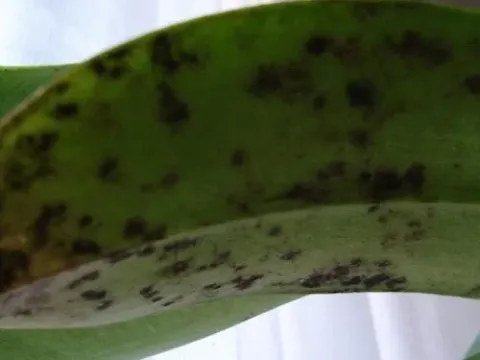
The primary symptom is the appearance of spots on leaves, stems, or fruits. These spots vary in color and size, often starting as yellowish areas that eventually darken to brown or black as sporulation occurs.
On the surface of infected tissues, a dark-colored, powdery or velvety fungal growth can often be observed. This is composed of dense masses of conidia, which can easily be transferred by touch or air currents.
Seedlings infected by the fungus may display necrotic lesions on their roots or lower stems, leading to stunting or pre-emergence death. Infected seeds often show visible discolored patches on their surface.
- Development of necrotic spots on leaves and fruit.
- Presence of dark-pigmented fungal spores on host surfaces.
- General discoloration and rot of plant tissues.
- Reduced germination and stunted growth of seedlings.
Because these symptoms can mimic other fungal diseases, reliable diagnosis often requires microscopic examination or fungal culturing on agar plates.
Integrated management is essential for controlling this pathogen. Crop rotation practices should be implemented to disrupt the life cycle of the fungus and reduce the inoculum potential in the soil.
Sanitation measures, such as the removal and destruction of crop residues, are crucial to prevent the fungus from surviving the winter in the field. Deep plowing can also help incorporate residues deeper into the soil.
Seed treatment with fungicides is a mandatory preventive measure to ensure good germination and to protect young seedlings from early-season infections.
Foliar application of fungicides may be necessary during the growing season if environmental conditions favor disease development. Products containing triazoles or strobilurins are often effective when applied prophylactically.
Storage management, including proper ventilation, low humidity, and temperature control, is the most effective way to prevent post-harvest losses caused by Epicoccum species in fruits and vegetables.