
Description
Symptoms
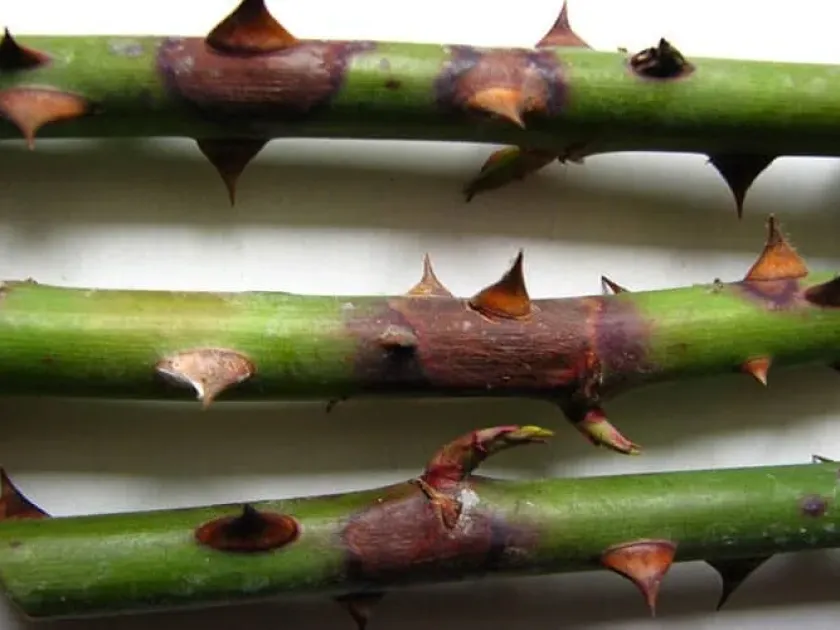
The primary symptom of the infection is the formation of spots of various shapes and colors appearing on stems, branches, and leaf petioles.
In roses, the disease often manifests as a "stem canker," appearing as sunken, reddish-brown patches that may eventually encircle the stem and cause it to die.
On strawberries, symptoms include necrotic lesions on the leaves and petioles, which eventually lead to the drying and wilting of the entire aerial part of the plant.
Within the infected tissue, small black dots known as pycnidia can be observed; these are groups of fungal fruiting bodies that indicate the active stage of the disease.
As the disease progresses, the bark may crack, and the infected shoots lose their vitality, leading to the collapse or death of the entire plant structure.
Pathogen
The causative agent of this disease is the fungus Coniothyrium fuckelii, which belongs to the order Sphaeropsidales. In its life cycle, the fungus produces pycnidia that serve as the main source of overwintering and inoculum survival in plant debris.
This pathogen is characterized by significant ecological flexibility and can infect a wide range of crops, including roses, various ornamental shrubs, and strawberries.
The fungus typically invades plant tissues through mechanical injuries, cracks in the bark, pruning cuts, or wounds caused by insect feeding activity.
The mycelium of the fungus develops within the bark and vascular tissues, progressively destroying the plant's ability to transport water and nutrients.
Fungal spores are dispersed primarily by wind, splashing rain, or through contaminated gardening tools during maintenance operations.
Conditions for development
Optimal conditions for the growth of Coniothyrium fuckelii include high humidity and prolonged rainfall, especially during the spring and summer growing seasons.
The fungus thrives within a temperature range of +18 to +25 degrees Celsius, which is optimal for spore germination and mycelial expansion.
Poor agricultural practices, such as overcrowding of plants, create stagnant air and high humidity, which are perfect environments for the spread of the infection.
Excessive application of nitrogen fertilizers weakens plant defenses, making tissues more susceptible to penetration by fungal hyphae.
Lack of proper sanitation, such as failing to remove infected plant debris or leaving pruning wounds untreated, promotes the buildup of inoculum.
Why it matters
The damage caused by Coniothyrium blight involves a serious decline in the plant's aesthetic value, yield, and overall survival rate.
Damage to the vascular system disrupts nutrient uptake, resulting in stunted growth and a significant decrease in fruit size and quality.
In strawberry plantations, the disease is particularly dangerous due to its rapid spread, which can lead to catastrophic crop losses if left unmanaged.
Long-term infestation significantly weakens the plant's immune system, making it highly vulnerable to secondary infections by other fungi or pests.
The economic impact includes both the costs of purchasing fungicides and the loss of marketable produce that fails to meet quality standards.
Protection
The primary control measure is strict sanitation: the timely pruning and destruction of all dead, infected, or damaged plant parts.
It is essential to protect pruning wounds by applying pruning sealers or antiseptic pastes to prevent the pathogen from entering the plant.
Maintaining proper spacing and air circulation within the garden significantly reduces the risk of fungal proliferation under humid conditions.
The application of contact and systemic fungicides containing copper or other active ingredients is effective in managing the disease during the growing season.
- Selection of resistant varieties and hybrids.
- Regular disinfection of pruning tools after each use.
- Balanced fertilization focusing on potassium and phosphorus for improved plant health.
Pathogens and affected parts
Affects crops · 1
Discussion
No discussions yet — be the first.